Showing: 171 - 180 of 284 Articles
bromelain

Benefits and Considerations of Bromelain in Nutrition and Health

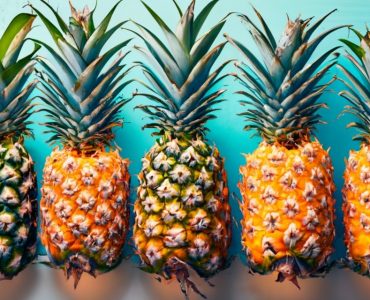
Bromelain is a Proteolytic (protein digesting) enzyme which is found mainly in the stems of pineapples. It also has anti-inflammatory and blood thinning actions in the body. What it does Digestion support: Bromelain can assist the enzymes that the body naturally produces to carry out protein digestion, which can help avoid the development of intestinal …
borage-flower plant use and taste

Borage: A Nutritional Herb for Your Health and Garden

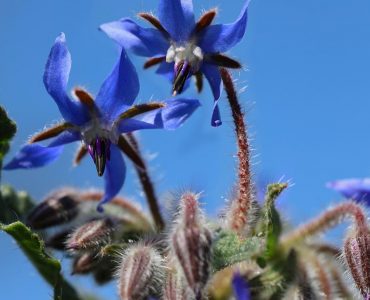
Borage oil is derived from the seeds of the borage (Borago officinalis) plant, a large plant with blue, star-shaped flowers native to Europe and North Africa and naturalized to North America. In herbal medicine the seeds, leaves and flowers are used, the seeds contains the highest amount of oil. What it does Borage is used for its …

Blue-Green Algae: Benefits, Risks, and Treatment

Blue Green Algae is found in the Klamath Lake in Oregon, USA, and is the richest known supplemental source of chlorophyll. It also possesses a remarkable nutritional profile including highly bioavailable proteins, vitamins, minerals, essential fatty acids, carotenoids, nucleic acids etc. The nutrients in blue-green algae are thought to be approximately 95% assimilable. What it …

bioflavanoids

Unveiling the Benefits and Considerations of Bioflavonoids in Your Health

Bioflavanoids are a class of water soluble pigments which are found in food and plants. there are many different types of bioflavanoids which have different properties. For example, Citrus bioflavanoids help the absorption of Vitamin C and often occur naturally with Vitamin C in food. Flavonoids are found in a wide range of foods, flavanones …

betaine

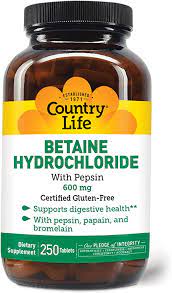
Betaine HCl with Pepsin: Benefits, Side Effects, and Safety

Your stomach produces gastric juices which contain hydrochloric acid that is responsible for the breakdown of proteins and destruction of unwanted bacteria and parasites. Hypochlorhydria, or low stomach acid, is a condition that may be implicated in a variety of digestive system complaints including indigestion and allergies. Stomach acid levels decline with age and may …

bee-collects pollen

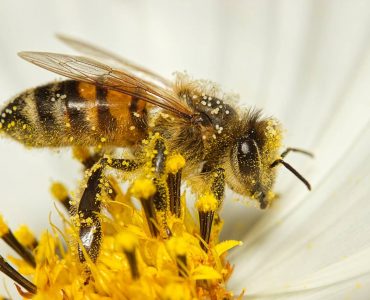
Nourishing Health with Bee Pollen: Benefits, Safety, and Usage

Pollen is the male seed of flowers, required for the fertilization of the plant. Harvested by the female worker bee, it is collected as she returns to the hive, through a series of screens/fine brushes. These gently remove pollen from the containers on the bees legs, without hurting the insect. Bee pollen is the food …

astaxanthin

Radiant Health with Astaxanthin: Benefits and Considerations

Astaxanthin is a carotenoid which belongs to a larger class of phytochemicals known as terpenes. It is classified as a xanthophyll, which means “yellow leaves”. Like many carotenoids, it is a colorful, fat/oil-soluble pigment. Astaxanthin, unlike some carotenoids, does not convert to Vitamin A (retinol) in the human body. Too much Vitamin A is toxic …

L-arginine

Nourishing Your Health: Unveiling the Benefits and Considerations of L-Arginine

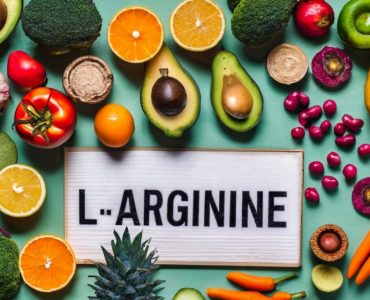
Arginine is a non-essential amino acid, meaning most of the time it can be manufactured by the human body, and does not need to be obtained directly through the diet. Normally, an adult makes enough arginine, even when it is lacking in the diet. However, during times of unusual stress (including infection, burns, and injury), …

antioxidants

Empowering Health with the Top Antioxidants: Your Guide to a Vibrant Life

Antioxidants are substances which occur naturally in food and are used by the body to neutralise or “mop up” free radicals. Free radicals are highly reactive compounds that are created in the body during normal metabolic functions or enter the body from the environment. They are inherently unstable, since they contain “extra” energy. To reduce …

alpha lipoic acid supplement

Empowering Wellness: Unraveling the Benefits and Considerations of Alpha-Lipoic Acid

Alpha lipoic acid (ALA), or Lipoic acid, is a vitamin-like anti-oxidant, sometimes referred to as the “universal anti-oxidant” because it is soluble in both fat and water. ALA is manufactured in the body and is found in some foods, particularly red meat, liver and yeast. What it does Alpha-lipoic acid is a powerful antioxidant that …

[instagram-feed]