Showing: 181 - 190 of 284 Articles
acidophilus

Nurturing Your Gut Health: Exploring the Benefits and Considerations of Acidophilus

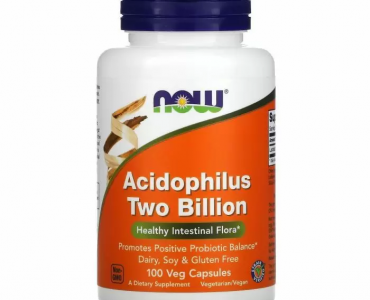
Lactobacillus acidophilus is one of the most widely researched of all probiotic bacteria in relation to human health. It is a natural inhabitant of the small intestine, upper part of the colon, the mouth and the vagina. Lactic bacteria converts sugars into lactic acid, which keeps the system slightly acidic and has the potential to …
acetyl-l-carnitine

Unveiling the Benefits and Guidelines for Acetyl-L-Carnitine in Everyday Health

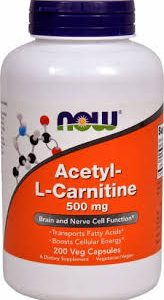
Acetyl-L-carnitine is similar in form to the amino acid L-carnitine and also has some similar functions, such as being involved in the metabolism of food into energy. The acetyl group that is part of acetyl-L-carnitine contributes to the production of the neurotransmitter acetylcholine, which is required for mental function. Acetyl-L-carnitine is a molecule that is …

htp supplement

5-HTP: Benefits, Dosage, and Considerations for Optimal Health

5-HTP is needed by the body to make the brain chemical serotonin, from the essential amino acid L-tryptophan. Serotonin appears to play significant roles in sleep, emotional moods, pain control, inflammation, intestinal peristalsis, and other body functions. 5-HTP is not present in significant amounts in food, however, L-tryptophan is found in most dietary proteins including …

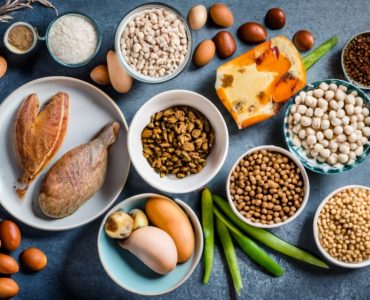
tyrosine food sources

Tyrosine: Benefits, Side Effects, and Dosage

L-tyrosine is a nonessential amino acid (protein building block) that the body synthesizes from phenylalanine, another amino acid. Tyrosine is important to the structure of almost all proteins in the body. It is also the precursor of a few neurotransmitters, including L-dopa, dopamine, norepinephrine, and epinephrine. Tyrosine is also used by skin cells to produce …

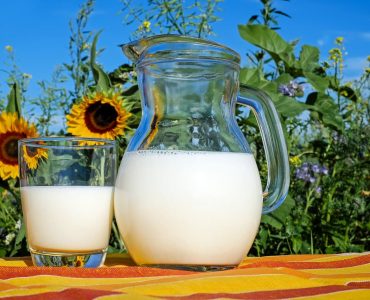
milk-as source of tryptofan

Tryptophan: Benefits, Side Effects, and How to Take It

Tryptophan converts into 5-Hydroxytryptophan (5HTP) in the body, subsequently 5HTP is more active and less is required in supplementation ie. l,000mg of Tryptophan is equal in activity to 100mg of 5HTP. 5-HTP is needed by the body to make the brain chemical serotonin, from the essential amino acid L-tryptophan. Serotonin appears to play significant roles …

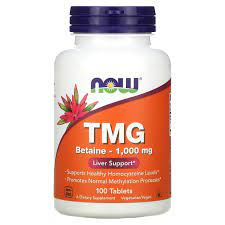
tmg

Trimethylglycine (TMG): Benefits, Side Effects, and Dosage

TMG (Trimethylglycine) Betaine (trimethylglycine) functions very closely with choline, folic acid, vitamin B12, and a form of the amino acid methionine known as S-adenosylmethionine (SAMe). All of these compounds function as “methyl donors.” They carry and donate methyl molecules to facilitate necessary chemical processes. The donation of methyl groups by betaine is very important to …

Taurine: What It Is, Benefits, Side Effects, and More

Taurine is an amino acid-like compound and a component of bile acids, which are used to help absorb fats and fat-soluble vitamins. Taurine also helps regulate the heart beat, maintain cell membrane stability, and prevent brain cell over-activity. Taurine is found mostly in meat, dairy products and fish. Except for babies, who get their supply …

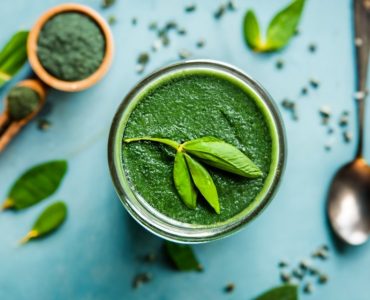
spirulina for health

Spirulina: Benefits, Side Effects, and How to Use It at Home

Spirulina is an algae with high chlorophyll levels, which grows naturally in many seas, oceans and lakes. Like blue-green algae, Spirulina is also an excellent source of other nutritional factors including amino acids, vitamins, minerals, essential fatty acids, carotenoids and nucleic acids giving rise to its description as a “super food”. Spirulina is rich in …

superoxide-dismutase

Superoxide Dismutase (SOD): Diseases Associated, Benefits, and Natural Ways to Increase

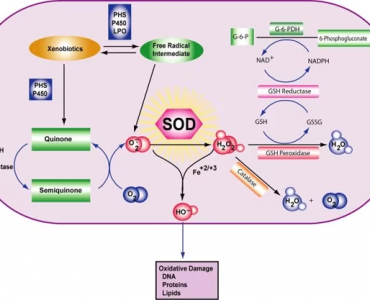
The body produces a few anti-oxidant enzymes, including superoxide dismutase (SOD), catalase, and glutathione peroxidase, that neutralize many types of free radicals. Supplements of these enzymes are available for oral administration, however, their absorption is probably minimal at best. Levels of this important antioxidant can easily be reduced by stress and mineral deficiencies. Supplementing with …

SharkCartilageB

Shark Cartilage: Benefits, Side Effects, and Safety

Shark cartilage is the connective tissue that makes up the skeleton of sharks. It is made up of a variety of compounds, including collagen, glycosaminoglycans, and chondroitin sulfate. A by-product of the shark fishing industry, shark cartilage has been shown to slow or stop angiogenesis. Angiogeneis is the process of developing new blood vessels that …

[instagram-feed]