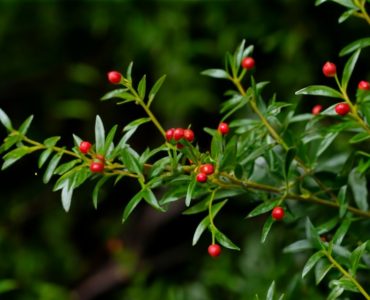
(boswellia serrata)
Boswellia, is a tree found primarily in the hilly areas of India. It is the sap or the gum of the tree that is used in traditional Ayuvedic medicince. In the ancient Ayurvedic medical texts of India, the gummy exudate from boswellia is grouped with other gum resins and referred to collectively as guggals. Historically, the guggals were recommended by Ayurvedic physicians for a variety of conditions, including osteoarthritis, rheumatoid arthritis, diarrhoea, dysentery, pulmonary disease, and ringworm.
What it does
Boswellia gum contains volatile oils, but it is the boswellic acid that gives most of the medicinal properties. It is anti-inflammatory, diuretic, analgesic and a digestive tonic.
In the sun-drenched lands of India, the Middle East, and North Africa, nestled amongst dry landscapes, thrives the majestic Boswellia serrata tree. From its weathered bark emerges a precious treasure – a golden, fragrant resin known as frankincense or olibanum.
For centuries, this resin has played a starring role in history, wafting its sacred smoke in ancient rituals and gracing royal courts with its aromatic presence. But beyond its mystical aura, frankincense hides a potent secret – a powerful arsenal of healing properties revered in the ancient Indian art of Ayurveda.
Potential Uses
| Osteo-Arthritis | Rheumatoid arthritis | Sports injuries |
| Oedema |
Other information
Many herbalists recommend boswellia for its anti-inflammatory action which makes it suitable for many conditions. It is sometimes used as a topical application for ulcers of the skin.
Boswellia may also improve blood supply to arthritic joints and improve the integrity of blood vessels in the area, helping to provide adequate blood supply to the joints damaged by arthritis.
Cautions
If you are taking anti-coagulant medication, check with your doctor before taking boswellia.
Generally, there are no side effects or contra-indications from using boswellia.
At the time of writing there were no well known negative drug interactions with boswellia.