
Bronchitis, an inflammation of the lining of the bronchial tubes that carry air to and from your lungs, can bring on a cough that wracks your body and leave you feeling breathless.
While often caused by a virus and self-resolving, understanding the symptoms, treatment options of bronchitis, and impact on daily life can empower you to navigate this common respiratory illness.
It is a common respiratory condition characterized by inflammation of the bronchial tubes, the airways that carry air to and from the lungs. Understanding the causes, symptoms, diagnosis, treatment options, prevention strategies, and complications of bronchitis is essential for managing the condition effectively.
Bronchitis can be acute or chronic. Acute bronchitis is usually caused by viral infections, such as the flu or common cold, while chronic bronchitis is often linked to long-term exposure to irritants like cigarette smoke or air pollution.
What are 3 symptoms of bronchitis?
Symptoms of bronchitis include coughing (with or without mucus), chest discomfort or pain, fatigue, shortness of breath, and mild fever and chills (more common in acute bronchitis). Bronchitis announces its presence through several tell-tale signs:
- Cough: The hallmark symptom, it can be dry and hacking at first, progressing to producing thick mucus.
- Chest discomfort: A tight feeling or soreness in your chest can accompany the cough, especially with frequent coughing spells.
- Shortness of breath: Due to inflamed airways, you might experience difficulty catching your breath or feeling out of breath with exertion.
Other symptoms like fatigue, mild fever, and muscle aches can also occur, depending on the severity of the infection.
Types of Bronchitis
Acute bronchitis typically lasts for a few weeks and often follows a cold or flu. Chronic bronchitis is characterized by a persistent cough that lasts for at least three months over two consecutive years.
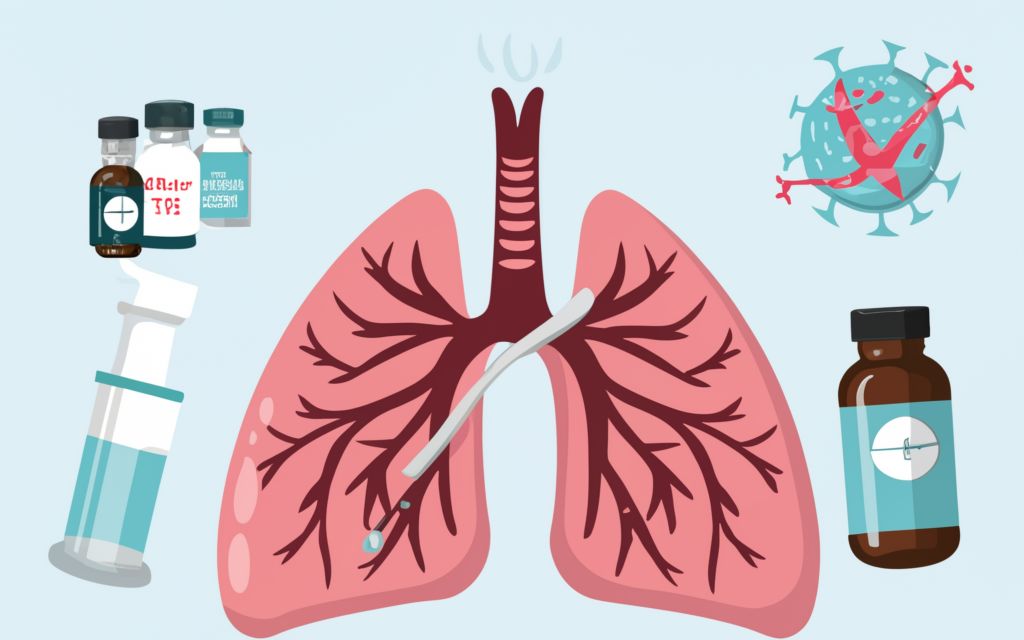
How long does bronchitis last?
While the answer isn’t one-size-fits-all, the good news is that acute bronchitis caused by a virus usually resolves within 10-14 days. The cough, however, can linger for up to 3-4 weeks in some cases. However, if your symptoms worsen or persist beyond this timeframe, consulting a healthcare professional is crucial.
What is the best medicine for bronchitis?
Since most cases of bronchitis are viral, antibiotics are not typically recommended. They only fight off bacterial infections, and using them unnecessarily can contribute to antibiotic resistance.
Instead, the focus is on managing symptoms and promoting comfort:
- Over-the-counter cough suppressants or expectorants: These can help ease the cough and clear mucus buildup.
- Plenty of fluids: Hydration helps thin mucus and loosen congestion.
- Rest: Giving your body time to recover is vital for healing.
- Steam inhalation: Using a humidifier or taking hot showers can help loosen mucus and ease breathing difficulties.
If your symptoms are severe, a healthcare professional might prescribe additional medications like inhaled corticosteroids to reduce inflammation.
Diagnosis of Bronchitis
Diagnosing bronchitis involves a medical history review, physical examination, chest X-ray, and possibly sputum culture. Pulmonary function tests may be conducted to assess lung function and rule out other conditions.
Treatment for Bronchitis
Treatment for bronchitis focuses on managing symptoms and addressing underlying causes.
Here are some effective home remedies and self-care techniques:
- ✔️ Rest: Allow your body time to recover by getting plenty of sleep and avoiding strenuous activities.
- ✔️ Stay Hydrated: Drink plenty of water, herbal teas, and broths to help thin mucus and keep your throat moist.
- ✔️ Use a Humidifier or Vaporizer: Adding moisture to the air can soothe irritated airways and make breathing easier.
- ✔️ Breathe in Steam: Take a warm shower or inhale steam from a bowl of hot water to loosen mucus and relieve congestion.
- ✔️ Soothe Your Throat: Use throat lozenges, cough drops, or warm saltwater gargles to ease discomfort.
- ✔️ Try Honey for Cough Relief: A spoonful of honey (for those over 1 year old) can help calm a persistent cough.
- ✔️ Avoid Irritants: Stay away from smoke, strong odors, and pollution, as they can worsen symptoms.
- ✔️ Use Over-the-Counter Medications Wisely: Acetaminophen or ibuprofen can reduce fever and body aches, but always follow dosage recommendations.
- ✔️ Support Your Immune System: Eat nutrient-rich foods, including fruits, vegetables, and lean proteins, to help your body fight off infections.
- ✔️ Elevate Your Head While Sleeping: Sleeping with your head slightly elevated can reduce nighttime coughing and improve breathing.
- ✔️ Practice Gentle Breathing Exercises: Techniques like pursed-lip breathing may help keep airways open and improve oxygen flow.
can help relieve discomfort. Over-the-counter medications like cough suppressants and pain relievers may also be used.
Antibiotics are prescribed for bacterial bronchitis, while bronchodilators and corticosteroids may be recommended for chronic bronchitis.
How to Feel Better When You Have Bronchitis
Recovering from bronchitis takes time, but there are simple ways to ease your symptoms and feel more comfortable:
- ✔️ Rest and Hydration: Give your body the downtime it needs and drink plenty of fluids to stay hydrated.
- ✔️ Soothe a Stuffy Nose: Use a clean humidifier, cool mist vaporizer, or saline nose drops. For young children, a rubber suction bulb can help clear mucus.
- ✔️ Breathe in Steam: Inhaling steam from a bowl of hot water or a steamy shower can help loosen mucus and ease congestion.
- ✔️ Ease a Sore Throat & Cough: Throat lozenges or cough drops can provide relief, but don’t give lozenges to children under 4. Honey can also help calm a cough—just make sure the person is at least 1 year old.
- ✔️ Over-the-Counter Medications: Always use them as directed and consult your doctor or pharmacist about what’s best for you. Remember, these medicines won’t cure bronchitis but can temporarily relieve symptoms.
Medication Guidelines for Children
🔹 Pain Relievers:
- Under 6 months: Only give acetaminophen.
- 6 months and older: Acetaminophen or ibuprofen is safe.
- Never give aspirin to children—it can cause Reye’s syndrome, a serious condition affecting the liver and brain.
🔹 Cough & Cold Medicines:
- Under 4 years old: Avoid unless prescribed by a doctor, as they can cause dangerous side effects.
- 4 years and older: Speak with a doctor before giving any over-the-counter cough and cold medications.
By following these tips, you can ease discomfort and support your body’s natural healing process. If symptoms persist or worsen, don’t hesitate to consult a healthcare professional.
When to See a Doctor for Bronchitis
While most cases of bronchitis clear up on their own, there are times when professional medical care is essential. Don’t ignore the warning signs—seek help if you or your child experience:
- ✔️ A fever of 100.4°F (38°C) or higher
- ✔️ Coughing up bloody mucus
- ✔️ Difficulty breathing or persistent shortness of breath
- ✔️ Symptoms lingering for more than three weeks
- ✔️ Frequent or recurring episodes of bronchitis
If any of these apply, it’s time to check in with a healthcare provider to rule out more serious conditions and get the right treatment.
Here are five top-rated supplements on iHerb that may support respiratory health:
#1 Natural Factors, Lung, Bronchial & Sinus Health, 90 Tablets
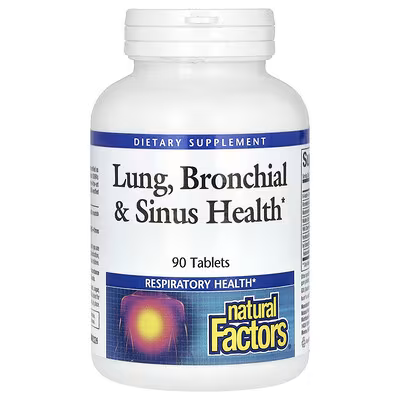
Best for Use: Supporting overall respiratory health, including lungs, bronchial passages, and sinuses.
Short Description: This natural formula is designed to nourish and support the entire respiratory system. It includes ingredients like N-Acetyl-L-Cysteine (NAC) and a blend of herbs such as mullein, marshmallow root, and wild cherry extract, which are known for their beneficial effects on respiratory health.
Rating by iHerb: 4.6
Number of Reviews: Over 1,500
Dosage: 1 tablet, 1-2 times daily or as directed by a healthcare professional.
Tablets Per Bottle: 90 tablets
#2 Christopher’s Original Formulas, Lung & Bronchial, 100 Vegetarian Capsules
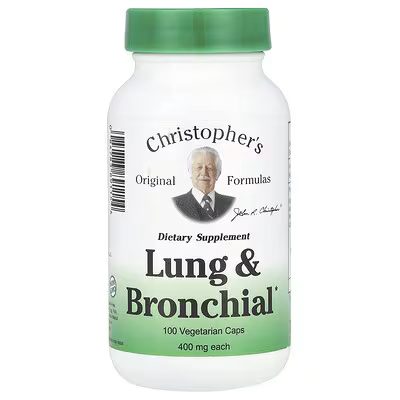
Best for Use: Enhancing respiratory function and alleviating symptoms associated with bronchial congestion.
Short Description: This herbal blend is formulated to support the respiratory system. It includes ingredients traditionally used to support lung health and clear bronchial passages.
Rating by iHerb: 4.7
Number of Reviews: Over 1,200
Dosage: 2 capsules, 2 times daily.
Capsules Per Bottle: 100 vegetarian capsules
#3 Enzymatic Therapy, Bronchial Soothe, Ivy Leaf Supplement, 3.4 fl oz (100 ml)
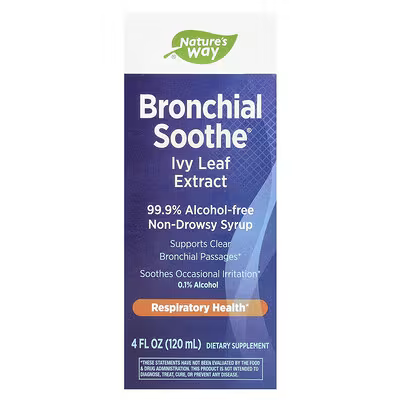
Best for Use: Maintaining clear bronchial passages and supporting lung health.
Short Description: Bronchial Soothe features an exclusive ivy extract that provides herbal support for optimal lung and bronchial passageway health. Unlike alcohol-based syrups, this supplement is designed to soothe the respiratory tract without the use of harsh ingredients.
Rating by iHerb: 4.5
Number of Reviews: Over 800
Dosage: 1 teaspoon (5 ml) 2 times daily.
Volume Per Bottle: 3.4 fl oz (100 ml)
#4 WishGarden Herbs, Deep Lung & Bronchial Support, 2 fl oz (59 ml)
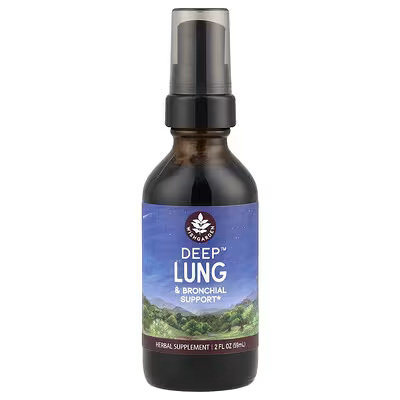
Best for Use: Promoting healthy lung function and providing support during seasonal respiratory challenges.
Short Description: Deep Lung is a signature WishGarden formula and top seller. This multi-faceted remedy is a true herbal hero, promoting healthier lungs. It’s great as a lung tonic and can be used for deep lung support.
Rating by iHerb: 4.4
Number of Reviews: Over 500
Dosage: 2-3 droppers full in a little water; repeat every 3-4 hours as needed.
Volume Per Bottle: 2 fl oz (59 ml)
#5 Christopher’s Original Formulas, Lung & Bronchial Formula, 2 fl oz (59 ml)
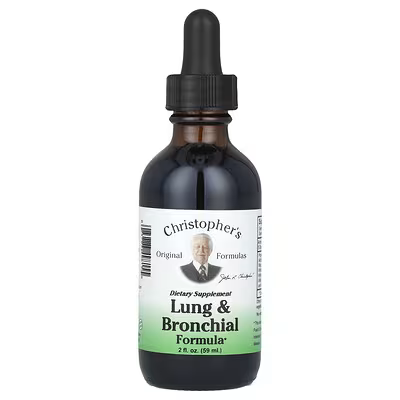
Best for Use: Supporting respiratory health and alleviating symptoms of coughs and chest congestion.
Short Description: This liquid formula is designed to support the respiratory system. It includes a blend of herbs traditionally used to support lung health and clear bronchial passages.
Rating by iHerb: 4.6
Number of Reviews: Over 600
Dosage: 15-30 drops three times daily or as directed by your health care professional.
Volume Per Bottle: 2 fl oz (59 ml)
These supplements are well-regarded by users for their effectiveness in supporting respiratory health. As always, it’s important to consult with a healthcare professional before starting any new supplement regimen, especially if you have existing health conditions or are taking other medications.
Prevention of Bronchitis
Preventing bronchitis involves practicing good respiratory hygiene, avoiding cigarette smoke and other respiratory irritants, getting vaccinated against the flu and pneumonia, and managing underlying health conditions.
Complications of Bronchitis

Complications of bronchitis may include pneumonia, exacerbation of underlying lung conditions like COPD, respiratory failure, and chronic bronchitis leading to COPD.
Can I go to work with bronchitis?
Whether you can go to work with bronchitis depends on the severity of your symptoms and your overall health. Here are some factors to consider:
- Severity of symptoms: If you have a high fever, severe shortness of breath, or feel too unwell to function, staying home is crucial to prevent spreading the virus and allow your body to recover.
- Nature of your work: If your job involves close contact with others or requires strenuous physical activity, staying home might be more beneficial for both yourself and others.
- Company policy: Check your workplace’s sick leave policy and recommendations for returning to work after illness.
Living with Bronchitis
Coping with bronchitis involves managing symptoms and seeking medical attention for persistent or worsening symptoms. Smoking cessation programs, pulmonary rehabilitation, and support groups can provide valuable resources and support.
FAQs About Bronchitis:
Is bronchitis contagious?
Yes, acute bronchitis, caused by viruses, can be contagious. The virus spreads through coughs, sneezes, and close contact with infected individuals. However, chronic bronchitis, usually caused by smoking or long-term exposure to irritants, is not contagious.
How long does bronchitis last?
Acute bronchitis typically lasts for 3-10 days, with the cough lingering for a few weeks. Chronic bronchitis can persist for months or even years, with periods of flare-ups and remission.
Can bronchitis turn into pneumonia?
While uncommon, bronchitis can increase your risk of developing pneumonia, especially if you have other health conditions like weakened immunity. Early diagnosis and treatment of bronchitis can help minimize this risk.
Can you die from bronchitis?
While rare, death from bronchitis is possible, primarily in infants, older adults, or individuals with weakened immune systems. Prompt medical attention and proper treatment are crucial to prevent complications.
What is the difference between acute and chronic bronchitis?
Acute bronchitis: Sudden onset, lasts less than 3 weeks, often caused by viruses, usually resolves without complications.
Chronic bronchitis: Persistent cough for at least 3 months in a year, caused by smoking or long-term exposure to irritants, can lead to breathing difficulties.
Can antibiotics treat bronchitis?
Antibiotics are not effective against viral infections, the most common cause of acute bronchitis. However, they might be prescribed if a bacterial infection is suspected. Chronic bronchitis often requires a combination of medications and lifestyle changes.
Is bronchitis more common in smokers?
Yes, smoking is a major risk factor for both acute and chronic bronchitis. Smoking irritates the airways, making them more susceptible to infections and leading to chronic inflammation in chronic bronchitis.
Can bronchitis cause chest pain?
Yes, a persistent cough from bronchitis can strain the muscles in your chest, causing discomfort or pain. Deep breathing exercises and warm compresses can help ease the pain.
Can bronchitis affect children?
Yes, bronchitis is common in children, especially young infants whose airways are narrower and more vulnerable to infections.
Can bronchitis be prevented with vaccines?
There is no specific vaccine for bronchitis. However, vaccines against influenza and pneumococcal pneumonia can help reduce your risk of developing these complications after bronchitis.
Remember, this information is intended for general knowledge and should not be a substitute for professional medical advice. Always consult with a healthcare professional for diagnosis, treatment, and personalized guidance.