Constipation, the struggle with infrequent or difficult bowel movements, is a common foe for people of all ages. While not a serious medical condition in most cases, it can significantly impact your well-being and quality of life. This article delves into the world of constipation, exploring its various causes, including lifestyle factors, medical conditions, and medications, as well as the telltale symptoms to watch out for.
| Lifestyle Factors | Symptoms | Medical Conditions | Medications |
|---|---|---|---|
| Low fiber diet | Infrequent bowel movements | Irritable bowel syndrome (IBS) | Opioid pain medications |
| Inadequate hydration | Difficulty passing stools | Hypothyroidism | Antidepressants |
| Lack of physical | Straining during bowel movements | Diabetes mellitus | Antacids containing aluminum or calcium |
| activity | Feeling of incomplete evacuation | Parkinson’s disease | Calcium channel blockers |
| Ignoring the urge | Abdominal discomfort or bloating | Multiple sclerosis | Antispasmodic medications |
| to defecate | Hard or lumpy stools | Stroke | Diuretics |
| Stress or anxiety | Rectal bleeding or fissures | Colon cancer or tumors | Iron supplements |
| Dietary factors | Feeling of rectal blockage or obstruction | Diverticulosis | Anticonvulsants |
| Pain during defecation | Eating disorders (e.g., anorexia nervosa) | Medications for high blood pressure |
Lifestyle Factors:
Our daily habits and choices significantly impact our gut health and, consequently, our bowel movements. Some key lifestyle factors that can contribute to constipation include:
- Diet: Insufficient fiber intake, dehydration, and excessive consumption of processed foods or dairy can all lead to sluggish digestion and constipation.
- Physical activity: Lack of regular exercise and prolonged sitting can contribute to slower gut motility and stool accumulation.
- Ignoring the urge: Delaying or ignoring the urge to have a bowel movement can disrupt your natural rhythm and make it harder to pass stool later.
- Stress: Chronic stress can disrupt the gut microbiome and digestive processes, leading to constipation.
Medical Conditions:
While constipation is often linked to lifestyle factors, it can also be a symptom of underlying medical conditions:
- Thyroid disorders: Hypothyroidism, an underactive thyroid, can slow down your metabolism and digestive system, leading to constipation.
- Diabetes: This chronic condition can affect nerve function and muscle movement, impacting bowel function and leading to constipation.
- Irritable bowel syndrome (IBS): This common condition can cause both constipation and diarrhea, depending on the specific type.
- Neurological disorders: Conditions like Parkinson’s disease or multiple sclerosis can affect nerve pathways controlling bowel movements, leading to constipation.
Can Constipation Cause Internal Damage or Lead to Other Health Problems?
While occasional constipation is generally harmless, chronic or severe cases can potentially lead to internal damage and other health problems. Here’s a breakdown of the risks and how to manage them:
Internal Damage:
- Hemorrhoids: Straining during bowel movements can cause swollen and inflamed veins in the rectum and anus, leading to pain, bleeding, and discomfort.
- Anal fissures: Hard stools can tear the delicate tissue around the anus, causing painful tears and potential infections.
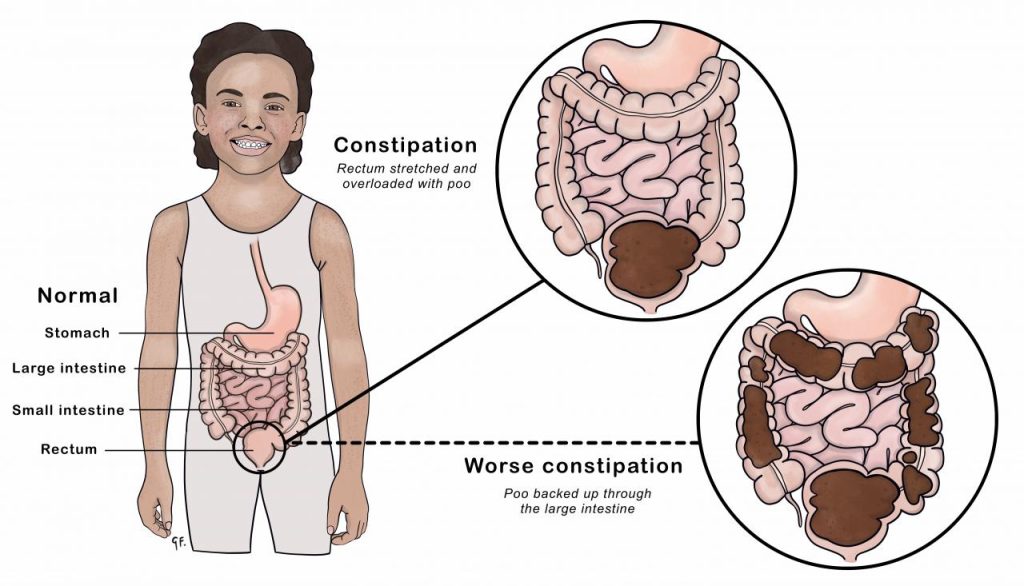
- Impaction: If stool remains stuck in the rectum for too long, it can become hard and difficult to pass, potentially blocking the bowels and causing serious complications.
- Pelvic floor dysfunction: Chronic constipation can weaken the pelvic floor muscles, leading to issues with bladder control or even organ prolapse.
Other Health Problems:
- Diverticulitis: In rare cases, constipation can contribute to diverticulitis, a condition where pouches in the colon become inflamed or infected.
- Increased risk of colon cancer: While research is ongoing, some studies suggest a potential link between chronic constipation and an increased risk of colon cancer, but more evidence is needed.
- Nutritional deficiencies: If constipation is severe enough to affect nutrient absorption, deficiencies in vitamins and minerals can occur.
- Mental health impact: Chronic discomfort and difficulty with bowel movements can negatively impact mental well-being, leading to anxiety, depression, and decreased quality of life.
Important to Note:
- The risk of internal damage or other health problems increases with the severity and duration of constipation.
- Not everyone with constipation will experience these complications.
- Early diagnosis and treatment of constipation are crucial to prevent potential complications.
Managing Constipation and Reducing Risks:
- Lifestyle changes: Increase fiber intake, stay hydrated, exercise regularly, and manage stress.
- Over-the-counter medications: Use laxatives or stool softeners cautiously and as directed.
- Prescription medications: If lifestyle changes and over-the-counter options aren’t effective, your doctor might prescribe stronger medications.
- Seek medical advice: If you experience severe constipation, blood in the stool, or other concerning symptoms, consult your doctor to rule out underlying conditions and get appropriate treatment.
Medications:
Certain medications can have constipation as a side effect:
- Opioid pain relievers: These medications slow down the digestive system, causing constipation.
- Antidepressants: Some types of antidepressants can have constipation as a side effect.
- Iron supplements: These supplements can cause constipation, especially in high doses.
- Antacids: Some antacids containing aluminum or calcium can contribute to constipation.
Symptoms to Watch Out For:
While infrequent bowel movements are the main indicator of constipation, other symptoms can signal a need for medical attention:
- Straining or feeling incomplete after going to the bathroom: If you struggle to pass stool or feel like your bowels haven’t emptied completely, it could indicate constipation.
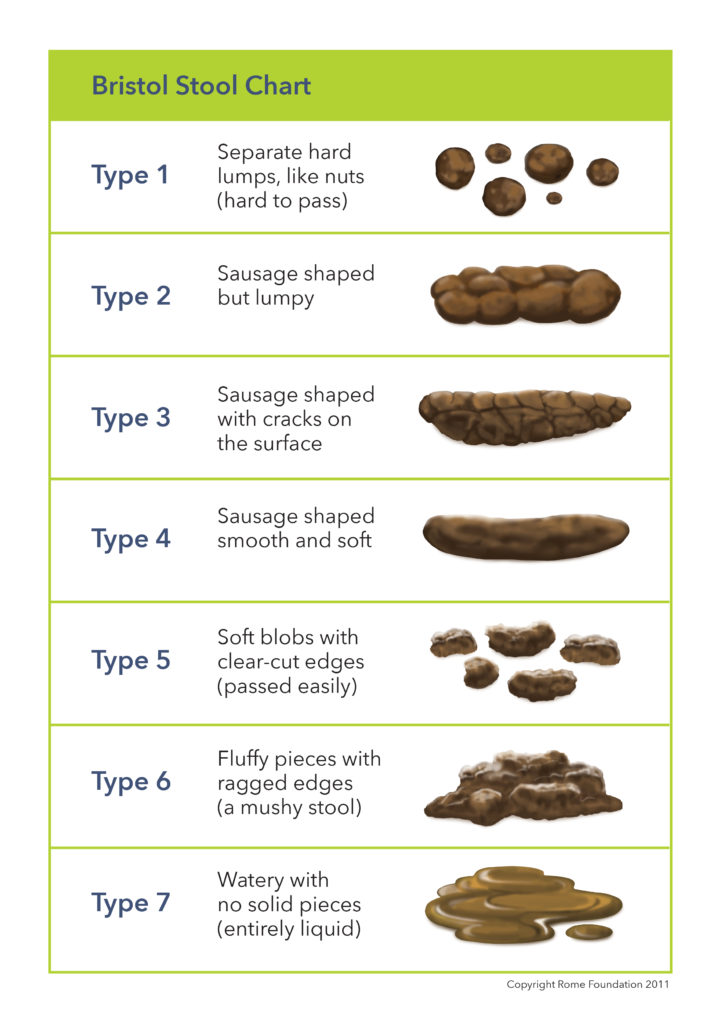
- Hard, lumpy stools: Stool that is difficult to pass and has a lumpy texture is a common sign of constipation.
- Abdominal pain, bloating, or cramping: These symptoms can accompany constipation and indicate discomfort or blockages.
- Blood in the stool: While not always a cause for alarm, blood in the stool can indicate various conditions, and seeking medical advice is crucial.
- Sudden changes in bowel habits: If you experience significant and unexplained changes in your bowel habits, such as long periods without a bowel movement or a sudden switch from constipation to diarrhea, consulting a doctor is important.
Remember: Constipation can be a complex issue with various contributing factors. If you experience persistent symptoms or suspect an underlying medical condition, consult a doctor for proper diagnosis and personalized treatment. By understanding the different causes and symptoms of constipation, you can take proactive steps to prevent it and maintain a healthy digestive system.
Additional Resources:
- National Institute of Diabetes and Digestive and Kidney Diseases: https://www.niddk.nih.gov/health-information/digestive-diseases/constipation
- American College of Gastroenterology: https://gi.org/topics/constipation/