(anethum graveolens)
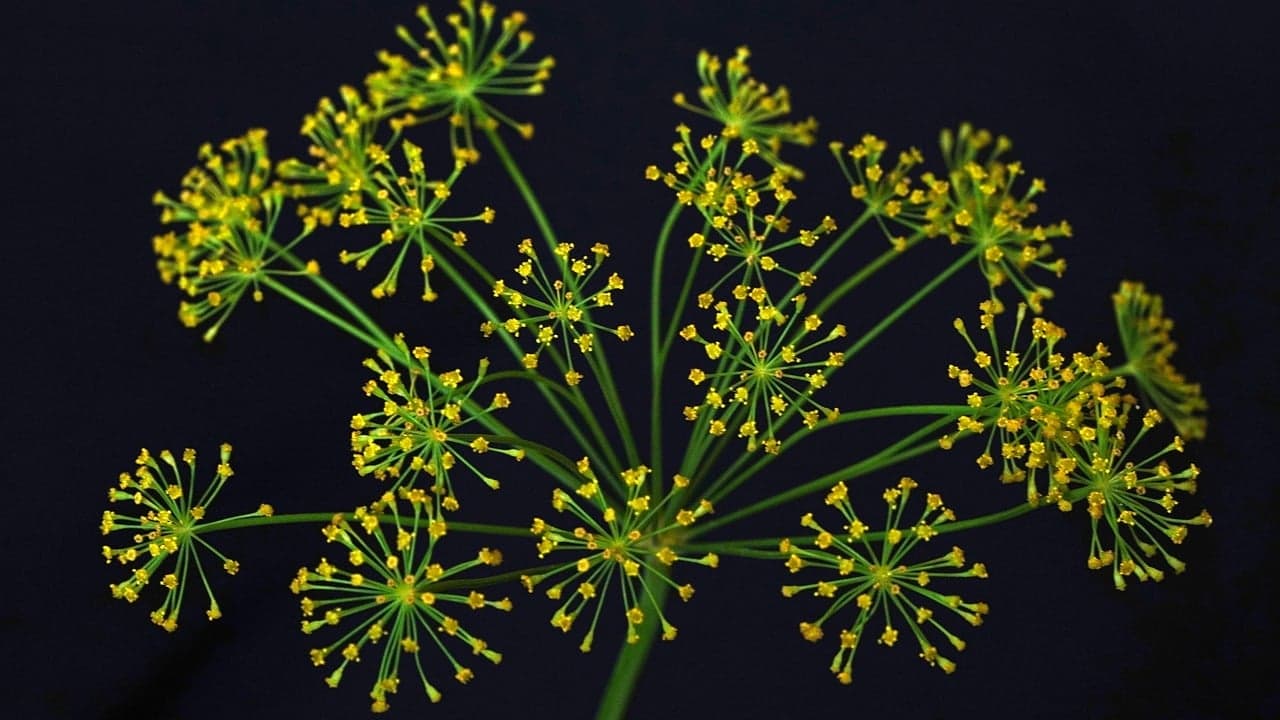
Dill is a plant native to the mediterranean and black sea regions. It is now cultivated all over the world and its name comes from the Saxon word meaning “to lull”. It has a calming effect on the digestive system and provides the active ingredient in gripe water. It is the seeds that are mainly used in herbal remedies.
What it does
The herb contains a variety of compounds including coumarins, volatile oil, flavanoids and zanthone derivatives. The oils is 30 – 60% carvone. The herb is carminative (wind relieving), anti-spasmodic and a stomach tonic.
Potential Uses
| Potential Uses | Additional Benefits |
|---|---|
| Colic | Respiratory Health |
| Flatulence | Antioxidant Properties |
| Halitosis | Anti-inflammatory Effects |
| Indigestion | Digestive Support |
| Improve the flow of breast milk | Diuretic Effects |
| Culinary Uses | |
| Stress Relief | |
| Skin Health |
Dill seeds offer a variety of potential uses and additional benefits, including aiding digestion, alleviating colic and flatulence, freshening breath, relieving indigestion, promoting lactation, supporting respiratory health, providing antioxidants, reducing inflammation, offering digestive support, acting as a diuretic, serving as a culinary herb, providing stress relief, and supporting skin health.
Benefits of Dill
Dill is a good source of vitamins A, C, and K, as well as minerals such as calcium, iron, and magnesium. It is also a good source of antioxidants.
Some of the potential health benefits of dill include:
- Improved digestion: contains compounds that can help to stimulate the production of digestive juices and promote better digestion.
- Reduced inflammation: contains antioxidants and other compounds that have anti-inflammatory properties.
- Improved heart health: has been shown to lower cholesterol levels and blood pressure, which may help to reduce the risk of heart disease.
- Stronger bones and teeth: The calcium and phosphorus content in dill contributes to strong bones and teeth.
- Increased immunity: is a good source of vitamin C, which is essential for a healthy immune system.
- Reduced bad breath: has been shown to be effective in reducing bad breath.
Benefits of Dill in Medicine
| Benefit | Description |
|---|---|
| Digestive Aid | contains compounds like carvone and limonene, which have carminative properties that help relieve digestive discomfort, bloating, and gas. It can be used to ease indigestion, stimulate appetite, and soothe gastrointestinal spasms. |
| Anti-inflammatory | possesses anti-inflammatory properties attributed to its flavonoids and volatile oils. It may help reduce inflammation in the digestive tract, respiratory system, and other tissues, making it beneficial for conditions like gastritis, colitis, bronchitis, and arthritis. |
| Antimicrobial | The essential oils found in it, such as dillapiol and terpinene, exhibit antimicrobial activity against a range of bacteria and fungi. Dill extracts or infusions may help inhibit the growth of pathogenic microbes, supporting the treatment of infections and promoting overall immune health. |
| Diuretic | has diuretic properties that can increase urine production and promote fluid balance in the body. It may be used to help alleviate water retention, reduce swelling, and support kidney function. |
| Menstrual Health Support | contains compounds that can help regulate menstrual cycles and alleviate menstrual symptoms such as cramps and bloating. It may also act as a mild emmenagogue, promoting menstrual flow and relieving menstrual discomfort. |
| Respiratory Health | it’s expectorant and antispasmodic properties make it useful for respiratory conditions like coughs, bronchitis, and asthma. It can help loosen mucus, ease coughing, and soothe bronchial spasms, facilitating easier breathing and relieving respiratory symptoms. |
| Antioxidant | it is rich in antioxidants like flavonoids, polyphenols, and vitamin C, which help neutralize harmful free radicals and protect cells from oxidative damage. Regular consumption of dill may help reduce the risk of chronic diseases, support cardiovascular health, and promote overall well-being. |
| Oral Health Support | it’s antimicrobial properties make it beneficial for oral health. It may help inhibit the growth of oral bacteria, reduce plaque formation, and freshen breath. Dill-infused mouthwashes or gargles can be used to promote gum health and prevent dental problems like cavities and gingivitis. |
Medical Uses of Dill
Dill has been used in traditional medicine for centuries to treat a variety of conditions, including:
- Indigestion: can be used to relieve indigestion, bloating, and gas.
- Colic: Dill seed oil is a common ingredient in gripe water, a traditional remedy for colic in babies.
- Respiratory infections: has antibacterial and antiviral properties, and it has been used to treat respiratory infections such as bronchitis and sinusitis.
- Menstrual cramps: has anti-spasmodic properties, and it can be used to relieve menstrual cramps.
- Urinary tract health: Some believe it can support urinary tract health and may act as a mild diuretic, increasing urine output.
- Antioxidant and anti-inflammatory properties: Studies suggest dill possesses antioxidant and anti-inflammatory properties, potentially offering benefits for overall health.
- Insomnia: has a calming effect, and it can be used to promote sleep.
Using it to reduce colic symptoms can be a soothing and natural remedy for both adults and infants.
Using it seeds for self-treatment at home can be a simple and effective way to harness the medicinal properties of this herb.
Here’s a step-by-step guide on how to use DILL SEEDS for various health benefits:
- Selecting Seeds: Purchase high-quality dill seeds from a reputable source. Look for seeds that are whole, dry, and have a strong aroma. Avoid seeds that appear dull, discolored, or have a musty smell, as they may be old or of inferior quality.
- Preparing Seed Infusion:
- Boil water in a pot or kettle.
- Place 1-2 teaspoons of seeds in a heatproof mug or teapot.
- Pour the boiling water over the seeds, covering them completely.
- Allow the seeds to steep in the hot water for 10-15 minutes to extract their beneficial compounds.
- Straining the Dill Seed Infusion: After steeping, strain the seed infusion using a fine-mesh strainer or cheesecloth to remove the seeds. You can discard the leftover seeds.
- Cooling the Infusion: Allow the strained seed infusion to cool to a comfortable temperature before consumption. You can transfer the infusion to a clean container and refrigerate it for later use if desired.
For Digestive Health:
Drink a cup of dill seed infusion before or after meals to aid digestion, relieve gas, bloating, and indigestion. Sip the infusion slowly to allow its soothing properties to take effect.
For Menstrual Cramps:
Dill seed infusion may help alleviate menstrual cramps and discomfort. Drink a cup of warm dill seed infusion during menstruation to ease cramping and promote relaxation.
For Breastfeeding Mothers:
Dill seed infusion can help increase breast milk production in breastfeeding mothers. Drink a cup of warm dill seed infusion daily to support lactation.
Here’s a step-by-step guide on how to use FRESH DILL effectively:
- Selecting Fresh Dill: Choose fresh dill from your local grocery store or farmer’s market. Look for dill with vibrant green leaves and a strong, fresh aroma. Avoid wilted or discolored dill, as it may not be as potent.
- Preparing Dill Tea:
- Bring a pot of water to a boil.
- Wash the fresh green thoroughly under running water to remove any dirt or debris.
- Chop the leaves and stems into small pieces.
- Place the chopped into a teapot or heatproof container.
- Pour the boiling water over the chopped, covering it completely.
- Allow it to steep in the hot water for 10-15 minutes to release its beneficial compounds.
- Straining the Dill Tea: After steeping, strain the dill tea using a fine-mesh strainer or cheesecloth to remove the dill leaves and stems. You can discard the leftover dill solids.
- Cooling the Dill Tea: Allow the strained dill tea to cool to a comfortable temperature before consumption. You can transfer the tea to a clean container and refrigerate it for later use if desired.
- Administering the Dill Tea:
- For Adults: Adults can drink a cup of dill tea up to three times per day, especially after meals or whenever colic symptoms arise. Sip the tea slowly to allow its soothing properties to take effect.
- For Infants: If using dill tea for infants, allow the tea to cool completely before offering a small amount (1-2 teaspoons) to the baby in a bottle or spoon. Always monitor the baby closely during feeding to ensure safety.
- Repeating as Needed: You can continue to use dill tea as needed to alleviate colic symptoms. Many people find relief after just a few doses, but it’s safe to use dill tea regularly as a gentle and natural remedy.
Dill is a versatile herb that can be used in a variety of recipes.
How to Use Dill at Home
Dill can be used fresh or dried.
- Fresh dill is more flavorful, but it has a shorter shelf life. To use fresh dill, simply chop it up and add it to your favorite recipes.
- Dried dill can be used in the same way, but you will need to use less of it because it is more concentrated. Dried dill can be stored for several months.
It can be used to flavor a variety of dishes, including soups, stews, salads, seafood, chicken, and vegetables.
It’s seeds can be infused to make a cup of tea. Gripe water is available for babies suffering from colic. the herb is often added to fish dishes and salads to add flavour aid digestion.
Here are a few ideas on how to use dill in cooking :
- Tzatziki: This Greek yogurt dip is flavored with cucumber, dill, garlic, and olive oil. It is a delicious and refreshing appetizer or side dish.
- Dill pickles: are a classic American condiment. They are made by pickling cucumbers in a brine flavored with dill, vinegar, and salt.
- Salmon with dill: Salmon is a delicious and healthy fish that pairs well with dill. To make a simple salmon dish, simply season the salmon with salt and pepper and then roast it in the oven. Serve the salmon with a side of dill sauce, which can be made by combining dill, mayonnaise, and lemon juice.
- Dill dip: it is a versatile dip that can be served with chips, vegetables, or crackers. To make dill dip, simply combine dill, mayonnaise, sour cream, and onion powder.
- Dill potato salad: is a classic summer side dish. To make it, simply combine cooked potatoes, celery, onion, mayonnaise, and dill.
Substitutes for Dill
| Substitute | Description |
|---|---|
| Fennel Fronds | Fennel fronds share a similar appearance and flavor profile to it, with a hint of licorice-like sweetness. They can be used as a garnish or seasoning in place of dill in salads, soups, and seafood dishes. |
| Tarragon | Tarragon has a slightly stronger flavor than dill, with hints of anise and pepper. It can be used sparingly as a substitute for it in recipes calling for fresh herbs, particularly in sauces, dressings, and egg dishes. |
| Parsley | Parsley offers a mild, fresh flavor and vibrant green color that can complement dishes in a similar way to it. It is often used as a garnish or finishing herb in salads, soups, stews, and vegetable dishes |
| Chervil | Chervil has a delicate, anise-like flavor reminiscent, making it a suitable substitute in recipes where it is called for. It pairs well with fish, poultry, eggs, and creamy sauces, adding a subtle herbaceous note. |
| Basil | Basil’s aromatic and slightly sweet flavor can provide a refreshing alternative in certain dishes. While it differs in taste, basil can add depth and complexity to salads, pasta dishes, and tomato-based sauces. |
| Cilantro | Cilantro offers a citrusy, herbal flavor that can provide a unique twist in recipes calling for it. While it has a distinct taste, cilantro can be used as a substitute in dishes such as salsas, marinades, and Asian-inspired dishes. |
| Mint | Mint’s bright, refreshing flavor can offer a refreshing contrast to dishes in place of dill. It pairs particularly well with lamb, poultry, salads, and yogurt-based sauces, adding a cooling element and hint of sweetness. |
| Chives | Chives have a mild onion-like flavor with a hint of garlic that can complement dishes in a similar way to dill. They are often used as a garnish or finishing touch in salads, soups, omelets, and creamy sauces. |
how to understand that you have an allergy to dill?
Recognizing an allergy to dill involves paying attention to your body’s response after consuming or coming into contact with dill. Here are some common signs and symptoms of a dill allergy:
- Skin Reactions: Allergic reactions often manifest as skin symptoms, such as:
- Itchy or irritated skin
- Redness or rash
- Hives or welts
- Swelling, particularly around the mouth, face, or throat
- Dermatitis or eczema flare-ups
- Respiratory Symptoms: Inhaling dill pollen or particles can trigger respiratory symptoms, including:
- Sneezing
- Runny or congested nose (allergic rhinitis)
- Itchy or watery eyes
- Nasal congestion or sinus pressure
- Coughing or wheezing
- Digestive Issues: Some individuals may experience digestive symptoms after consuming dill, such as:
- Nausea or vomiting
- Abdominal pain or cramping
- Diarrhea
- Gas or bloating
- Anaphylaxis: In severe cases, a dill allergy can lead to anaphylaxis, a life-threatening allergic reaction that requires immediate medical attention. Symptoms of anaphylaxis may include:
- Difficulty breathing or wheezing
- Swelling of the face, tongue, or throat
- Rapid or weak pulse
- Dizziness or fainting
- Loss of consciousness
If you suspect you may have an allergy to dill or experience any of these symptoms after exposure to it, it’s essential to consult with a healthcare professional or allergist for proper evaluation and diagnosis. They can perform allergy testing, such as skin prick tests or blood tests, to determine if you are allergic to dill or other substances. If diagnosed with allergy, your healthcare provider can provide guidance on managing symptoms and avoiding exposure to it and related allergens.
Cautions
Generally, there are no side effects or contra-indications from using it.
At the time of writing there were no well known negative drug interactions.
Dill is a versatile herb with a wide range of health benefits and medicinal uses. It can be used in a variety of recipes to add flavor and nutrients. If you are looking for a healthy and delicious herb to add to your diet, dill is a great option.