The Drosera, or sundew plant, is a carnivorous plant known for its medicinal uses, particularly in homeopathy, and its ability to capture and digest insects. With over 190 species, this plant is found worldwide in habitats such as bogs and wetlands. This article will explore the different varieties of Drosera, their medicinal uses, and how to care for these unique plants.
What is the Sundew Plant (Drosera)?
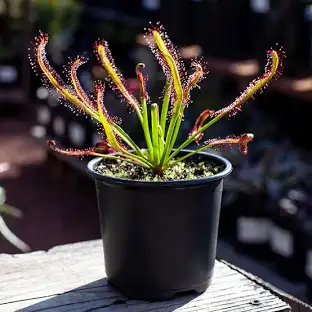
The sundew plant (Drosera) is a genus of carnivorous plants that capture insects with their sticky, glandular leaves. The plant secretes a glistening, sticky substance that attracts and traps prey, which the plant then digests to obtain essential nutrients. Sundews can grow in nutrient-poor soils, making their carnivorous nature crucial for survival.
Drosera Capensis Uses
Drosera capensis, a popular species in the Drosera genus, is not only an efficient insect-capturer but also a widely used plant in homeopathy. In homeopathy, Drosera capensis is used to treat respiratory conditions, particularly those involving a dry, spasmodic cough, such as whooping cough, bronchitis, and asthma. It’s known for alleviating symptoms of persistent, violent coughing fits.
Types and Species
There are over 190 species of Drosera, each with unique adaptations. Some notable species include:
- Drosera capensis: One of the most popular and easiest to care for species.
- Drosera rotundifolia: Common in Europe and North America, known for its round leaves.
- Drosera aliciae: Native to South Africa, with spoon-shaped leaves.
- Drosera binata: A fork-leaved sundew that can grow quite large and is known for its distinctive leaf shape.
Drosera Varieties for Homeopathy
Several varieties of Drosera are used in homeopathy, with each species offering unique properties:
- Drosera rotundifolia: Commonly used to treat dry coughs, particularly when associated with chest tightness.
- Drosera capensis: Primarily used for respiratory issues such as asthma and bronchitis.
- Drosera intermedia: Effective for relieving digestive issues and inflammation.
- Drosera anglica: Known for its anti-inflammatory properties, especially in treating chronic coughs.
What is the Medicinal Use of Drosera?
In homeopathy, Drosera is most well-known for treating respiratory conditions, particularly those involving a dry, hacking cough. It is effective for:
- Whooping Cough: it helps reduce the frequency and intensity of coughing fits.
- Asthma and Bronchitis: It is commonly used to soothe bronchial irritation and relax the respiratory tract.
- Laryngitis: It helps calm irritation in the throat and vocal cords, easing symptoms of hoarseness or loss of voice.
- Tuberculosis (Historically): it was once used in the treatment of tuberculosis, due to its ability to ease coughs and strengthen the respiratory system.
Uses of Drosera in Homeopathy
| Condition | Description |
|---|---|
| Whooping Cough | Reduces the frequency and severity of persistent coughing fits. |
| Asthma & Bronchitis | Eases spasmodic coughing and helps relax the bronchial passages. |
| Laryngitis | Calms irritation of the throat and vocal cords, reducing hoarseness. |
| Chronic Cough | Effective in treating long-term, dry, irritating coughs often accompanied by chest pain or tightness. |
Side Effects of Drosera in Homeopathy
Although Drosera is considered safe when used in homeopathic doses, there can be side effects, especially if misused or taken in higher potencies.
| Side Effect | Description | Frequency |
|---|---|---|
| Initial Symptom Aggravation | Temporary worsening of symptoms, such as increased coughing or throat irritation. | Common |
| Digestive Upset | Mild nausea or stomach discomfort, especially if taken in excessive doses. | Rare |
| Headache | Some users may experience mild headaches, particularly if sensitive to homeopathic remedies. | Rare |
| Dizziness | Rare cases of dizziness or lightheadedness may occur, especially with higher potencies. | Very Rare |
| Allergic Reactions | Very rare cases of skin irritation or rashes, especially in individuals allergic to carnivorous plants. | Very Rare |
Note: If any adverse effects are experienced, it’s recommended to discontinue use and consult a healthcare provider.
Toxic or Not: Are Drosera Toxic to Humans or Dogs?
Drosera plants are not considered toxic to humans or dogs. In fact, they have been used for centuries in herbal medicine and homeopathy to treat various ailments, particularly respiratory issues. However, while they are non-toxic, it’s always a good idea to keep carnivorous plants out of reach of pets and small children, as the plant’s sticky surface could cause minor irritation or discomfort if touched.
What Does Drosera Eat?
In addition to fungus gnats, Drosera eats a variety of small insects, including:
- Mosquitoes
- Flies
- Aphids
- Fruit flies
- Midges
By capturing these insects, the plant obtains essential nutrients like nitrogen, which is often scarce in its native habitats.
How Do Drosera Attract Insects?
Drosera plants attract insects using a combination of visual and chemical signals. The plant’s leaves are covered in glandular hairs that secrete a sticky, dew-like substance. This liquid glistens in the sunlight, mimicking the appearance of dew drops, which lures insects. Once the insect lands on the leaf, it becomes stuck in the adhesive mucilage. Additionally, some species of Drosera emit sweet-smelling chemicals that further entice insects to come closer.
Do Drosera Eat Fungus Gnats?
Yes, sundew plants are highly effective at capturing and digesting fungus gnats, along with other small insects like mosquitoes, flies, and aphids. The sticky glandular hairs on their leaves trap the insects, which the plant then digests to extract nutrients. This ability helps the plant thrive in nutrient-poor environments.
How Do You Keep Drosera Alive?
To keep Drosera plants alive and thriving, it’s essential to mimic their natural environment. Here are some key care tips:
- Light: Sundews require plenty of sunlight—ideally, 6-8 hours of direct sunlight per day. If growing indoors, a bright windowsill or grow lights can be used.
- Water: Use only distilled or rainwater, as sundews are sensitive to mineral-heavy water. Keep the soil moist but avoid waterlogging.
- Humidity: High humidity (around 50-70%) is ideal. Misting the plant occasionally can help maintain the necessary humidity levels.
- Soil: Use a mix of peat moss and sand or perlite. Avoid standard potting soil, as it contains too many nutrients for sundews, which thrive in nutrient-poor conditions.
Conclusion
Drosera, or the sundew plant, offers both unique beauty and valuable medicinal properties. In homeopathy, it is primarily used to treat respiratory conditions, including chronic coughs, asthma, and bronchitis. In its natural habitat, this plant thrives by capturing insects such as fungus gnats, making it an efficient insect-eater. Caring for Drosera requires attention to light, water, and humidity to ensure the plant remains healthy.