HCA (hydroxycitric acid) is found in the rind of the Asian fruit Garcinia camogia. Hydroxycitric acid (HCA) is a natural compound found in the rind of the garcinia cambogia fruit. It has been used for centuries in traditional medicine to treat a variety of conditions, including obesity, diabetes, and high blood pressure.
In recent years, HCA has become increasingly popular as a weight loss supplement. It is thought to work by blocking the conversion of carbohydrates into fat. HCA may also help to suppress appetite and increase satiety.
What it does
- Weight Loss: HCA has been found to block the conversion of carbohydrates to body fats, making the carbs more available to use as a source of energy. It also has a mild appetite suppressant effect.
- Blocks the conversion of carbohydrates into fat: HCA inhibits the activity of citrate lyase, an enzyme that is involved in the conversion of carbohydrates into fat.
- Suppresses appetite and increases satiety: HCA may help to suppress appetite and increase satiety by increasing serotonin levels in the brain. Serotonin is a neurotransmitter that plays a role in appetite regulation.
- Boosts metabolism: HCA may also help to boost metabolism by increasing the production of heat in the body. This is known as thermogenesis.
Benefits of HCA
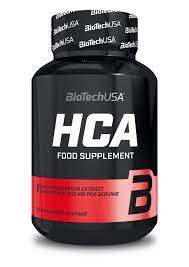
HCA has been shown to offer a number of potential health benefits, including:
- Weight loss: HCA may help to promote weight loss by blocking the conversion of carbohydrates into fat. It may also help to suppress appetite and increase satiety.
- Diabetes control: HCA may help to improve blood sugar control in people with diabetes.
- High blood pressure control: HCA may help to lower blood pressure in people with high blood pressure.
- Cholesterol reduction: HCA may help to lower cholesterol levels in people with high cholesterol.
- Anti-inflammatory properties: HCA has anti-inflammatory properties that may be beneficial for people with conditions such as arthritis and inflammatory bowel disease.
How to take HCA
HCA is typically available in capsule or powder form. The recommended dosage of HCA varies depending on the reason for taking it. For weight loss, a dosage of 500-1500 mg per day is recommended.
HCA can be taken at any time of day. However, some people find that taking it with food helps to reduce stomach upset.
Side effects of HCA
HCA is generally safe for most people to take. However, there are some potential side effects, including:
- Stomach upset
- Headache
- Dizziness
- Skin rash
- Increased bleeding risk
Recipes using HCA
HCA can be used in a variety of recipes, including:
HCA Smoothie
Ingredients:
- 1 cup berries
- 1 banana
- 1 cup yogurt
- 1 scoop protein powder
- 1/2 teaspoon HCA powder
Instructions:
- Combine all ingredients in a blender and blend until smooth.
- Enjoy!
HCA Soup
Ingredients:
- 1 tablespoon olive oil
- 1 onion, chopped
- 2 cloves garlic, minced
- 1 can diced tomatoes
- 4 cups chicken broth
- 1/4 cup chopped fresh basil
- 1/4 teaspoon salt
- 1/4 teaspoon black pepper
- 1/2 teaspoon HCA powder
Instructions:
- Heat the olive oil in a large pot over medium heat. Add the onion and garlic and cook until softened, about 5 minutes.
- Add the diced tomatoes, chicken broth, basil, salt, and pepper to the pot. Bring to a boil, then reduce heat to low and simmer for 15 minutes.
- Stir in the HCA powder and simmer for another 5 minutes.
- Serve hot.
HCA Salad Dressing
Ingredients:
- 1/4 cup olive oil
- 2 tablespoons lemon juice
- 1 tablespoon honey
- 1/4 teaspoon salt
- 1/4 teaspoon black pepper
- 1/4 teaspoon HCA powder
Instructions:
- Combine all ingredients in a jar and shake until well combined.
- Use to dress your favorite salad.
Conclusion
HCA is a natural compound with a number of potential health benefits, including weight loss, diabetes control, high blood pressure control, cholesterol reduction, and anti-inflammatory properties.
HCA is generally safe for most people to take, but it is important to talk to your doctor before taking any supplements, especially if you have any underlying health conditions or are taking any medications.