Showing: 211 - 220 of 345 Articles
betaine

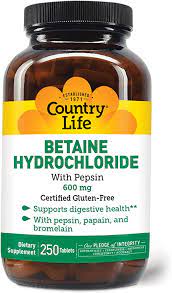
Betaine HCl with Pepsin: Benefits, Side Effects, and Safety

Your stomach produces gastric juices which contain hydrochloric acid that is responsible for the breakdown of proteins and destruction of unwanted bacteria and parasites. Hypochlorhydria, or low stomach acid, is a condition that may be implicated in a variety of digestive system complaints including indigestion and allergies. Stomach acid levels decline with age and may …

bee-collects pollen

Nourishing Health with Bee Pollen: Benefits, Safety, and Usage

Pollen is the male seed of flowers, required for the fertilization of the plant. Harvested by the female worker bee, it is collected as she returns to the hive, through a series of screens/fine brushes. These gently remove pollen from the containers on the bees legs, without hurting the insect. Bee pollen is the food …

astaxanthin

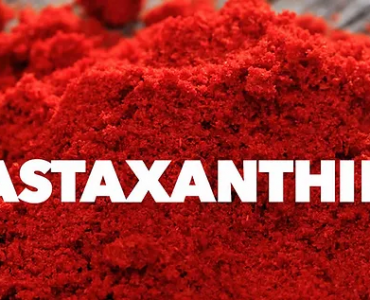
Radiant Health with Astaxanthin: Benefits and Considerations

Astaxanthin is a carotenoid which belongs to a larger class of phytochemicals known as terpenes. It is classified as a xanthophyll, which means “yellow leaves”. Like many carotenoids, it is a colorful, fat/oil-soluble pigment. Astaxanthin, unlike some carotenoids, does not convert to Vitamin A (retinol) in the human body. Too much Vitamin A is toxic …

L-arginine

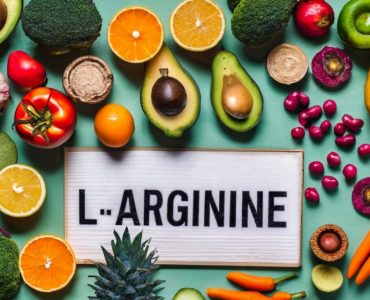
Nourishing Your Health: Unveiling the Benefits and Considerations of L-Arginine

Arginine is a non-essential amino acid, meaning most of the time it can be manufactured by the human body, and does not need to be obtained directly through the diet. Normally, an adult makes enough arginine, even when it is lacking in the diet. However, during times of unusual stress (including infection, burns, and injury), …

antioxidants

Empowering Health with the Top Antioxidants: Your Guide to a Vibrant Life

Antioxidants are substances which occur naturally in food and are used by the body to neutralise or “mop up” free radicals. Free radicals are highly reactive compounds that are created in the body during normal metabolic functions or enter the body from the environment. They are inherently unstable, since they contain “extra” energy. To reduce …

alpha lipoic acid supplement

Empowering Wellness: Unraveling the Benefits and Considerations of Alpha-Lipoic Acid

Alpha lipoic acid (ALA), or Lipoic acid, is a vitamin-like anti-oxidant, sometimes referred to as the “universal anti-oxidant” because it is soluble in both fat and water. ALA is manufactured in the body and is found in some foods, particularly red meat, liver and yeast. What it does Alpha-lipoic acid is a powerful antioxidant that …

acidophilus

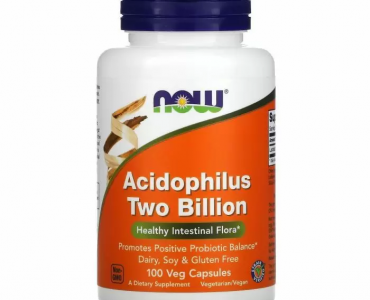
Nurturing Your Gut Health: Exploring the Benefits and Considerations of Acidophilus

Lactobacillus acidophilus is one of the most widely researched of all probiotic bacteria in relation to human health. It is a natural inhabitant of the small intestine, upper part of the colon, the mouth and the vagina. Lactic bacteria converts sugars into lactic acid, which keeps the system slightly acidic and has the potential to …

acetyl-l-carnitine

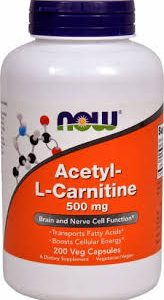
Unveiling the Benefits and Guidelines for Acetyl-L-Carnitine in Everyday Health

Acetyl-L-carnitine is similar in form to the amino acid L-carnitine and also has some similar functions, such as being involved in the metabolism of food into energy. The acetyl group that is part of acetyl-L-carnitine contributes to the production of the neurotransmitter acetylcholine, which is required for mental function. Acetyl-L-carnitine is a molecule that is …

htp supplement

5-HTP: Benefits, Dosage, and Considerations for Optimal Health

5-HTP is needed by the body to make the brain chemical serotonin, from the essential amino acid L-tryptophan. Serotonin appears to play significant roles in sleep, emotional moods, pain control, inflammation, intestinal peristalsis, and other body functions. 5-HTP is not present in significant amounts in food, however, L-tryptophan is found in most dietary proteins including …

tyrosine food sources

Tyrosine: Benefits, Side Effects, and Dosage

L-tyrosine is a nonessential amino acid (protein building block) that the body synthesizes from phenylalanine, another amino acid. Tyrosine is important to the structure of almost all proteins in the body. It is also the precursor of a few neurotransmitters, including L-dopa, dopamine, norepinephrine, and epinephrine. Tyrosine is also used by skin cells to produce …

[instagram-feed]