Ipecac, or syrup of ipecac (SOI), is a medication that was historically used to induce vomiting, particularly in cases of accidental poisoning. Once a common household remedy, its medical use has largely disappeared, and it is no longer recommended for routine treatment of toxic ingestion due to concerns over its safety and effectiveness. Despite this, there has been an increase in its abuse as a purgative in cases of eating disorders
What Was Ipecac Used For?
Historically, ipecac was used as an emetic, a substance to induce vomiting, particularly in situations where someone had ingested a toxic substance. It was often kept in households as a quick-response remedy for accidental poisonings, allowing caregivers to make the patient vomit and hopefully expel the poison before it was absorbed by the body.
However, its role as a first-aid treatment for poisoning has fallen out of favor as medical experts have developed safer and more effective treatments. Hospitals and poison control centers now recommend alternative therapies, such as activated charcoal, which are better suited for managing toxic ingestions.
Uses of Ipecac
| Uses | Description |
|---|---|
| Inducing Vomiting (Old Use) | Historically used to induce vomiting in cases of accidental poisoning. |
| Misuse in Eating Disorders | Sometimes abused by individuals with bulimia or other eating disorders. |
Why Was Ipecac Banned?
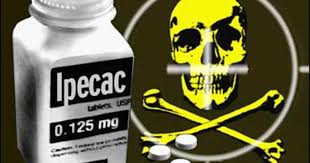
Ipecac was not technically banned but rather phased out of use by medical authorities due to its risks and limited effectiveness. Several reasons contributed to this:
- Ineffectiveness: Research found that inducing vomiting with ipecac did not always successfully remove toxins from the body and, in many cases, delayed the administration of more effective treatments.
- Potential for Misuse: There were increasing reports of ipecac misuse, particularly by individuals suffering from eating disorders like bulimia, who used the syrup to induce vomiting regularly.
- Harmful Side Effects: Ipecac can cause significant side effects, including heart problems, dehydration, and muscle weakness when misused or overused.
For these reasons, ipecac is no longer recommended for treating poisoning by most poison control centers and health organizations.
Is Ipecac Still Available?
While ipecac is not entirely banned, it is no longer widely available in pharmacies. Most medical organizations, including the American Academy of Pediatrics (AAP) and the American Association of Poison Control Centers (AAPCC), no longer recommend keeping ipecac in households for poisoning emergencies.
Why Is Ipecac No Longer Recommended?
The medical community shifted away from using ipecac for a number of reasons:
- Delay in Proper Treatment: Administering ipecac often delayed patients from receiving more effective treatments, such as activated charcoal or intravenous medications.
- Inconsistent Results: Vomiting does not always ensure the removal of the ingested toxin, and in some cases, it can cause further harm by aspirating vomit into the lungs.
- Risks of Misuse: Ipecac’s potential for abuse in eating disorders further contributed to its fall from favor.
Ipecacuanha Syrup – How to Take
When it was used medically, ipecacuanha syrup was typically taken by mouth to induce vomiting. For adults and children over the age of 1, a single dose of ipecac was administered, followed by drinking water to help induce vomiting within 15 to 30 minutes. The dose varied based on age, but it is no longer recommended for home use without professional guidance due to the risks involved.
Dosage and Potential Uses of Ipecac
| Dosage | Potential Uses | Notes |
|---|---|---|
| Adults (Historical) | 15-30 mL of ipecac syrup | To induce vomiting in cases of accidental poisoning (no longer recommended) |
| Children (1-12 years) | 10-15 mL of ipecac syrup | Used to induce vomiting in children over 1 year old (no longer recommended) |
| Children (under 1 year) | Not recommended | Ipecac was not commonly used for children under 1 year due to safety risks |
| Abuse in Eating Disorders | Variable doses, often misuse | Misused in eating disorders like bulimia to induce vomiting |
Important Note: Ipecac is no longer recommended for treating poisoning due to risks such as ineffective toxin removal and potential harmful side effects. It should not be used without medical guidance, and other treatments like activated charcoal are preferred in medical emergencies.
Potential Side Effects of Ipeac
| Side Effect | Description | Frequency |
|---|---|---|
| Cardiotoxicity | Can lead to heart issues, including irregular heartbeats or heart failure. | Common with abuse |
| Dehydration | Excessive vomiting can cause loss of fluids and electrolytes. | Common |
| Muscle Weakness | Long-term misuse can cause muscle damage and weakness. | Occasional |
| Aspiration Pneumonia | Risk of vomit entering the lungs, leading to lung infection. | Rare |
Conclusion
Ipecac was once a widely-used household remedy for accidental poisonings, but due to its risks and limited effectiveness, it is no longer recommended for routine use. With its potential for abuse and harmful side effects, medical professionals now recommend alternative treatments for poisoning emergencies.