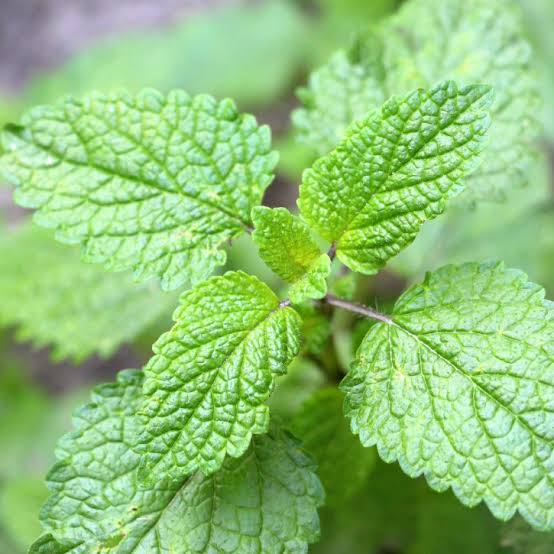
Lemon balm, scientifically known as Melissa officinalis, is a perennial herb belonging to the mint family. Known for its refreshing lemon scent, this herb has been used for centuries in traditional medicine for its numerous health benefits. Here’s a comprehensive look at its medicinal uses and health advantages.
Overview of Lemon Balm
Lemon balm is native to Europe, although it is now widely cultivated in many parts of the world. Historically, it has been utilized for its calming properties, making it a popular choice in herbal medicine. The herb contains several bioactive compounds, including flavonoids, rosmarinic acid, and essential oils, which contribute to its therapeutic effects.
Health Benefits
- Anxiety and Stress Relief: Lemon balm is well-known for its calming effects. Research indicates that it can help reduce anxiety and promote relaxation. A study published in the journal Nutritional Neuroscience found that lemon balm extract significantly decreased anxiety and improved mood in participants. Its anxiolytic (anxiety-reducing) properties make it a valuable remedy for those dealing with stress-related disorders.
- Sleep Aid: Due to its calming effects, lemon balm is often used to improve sleep quality. Its sedative properties can help individuals suffering from insomnia or restless sleep. A combination of lemon balm and valerian root has been shown to enhance sleep quality and decrease nighttime awakenings in several studies.
- Digestive Health: Lemon balm has been traditionally used to alleviate digestive issues, including bloating and indigestion. Its carminative properties help reduce gas and cramping. Drinking lemon balm tea after meals can promote digestion and ease discomfort.
- Cognitive Function: Some studies suggest that lemon balm may enhance cognitive function and improve memory. Research published in the journal Psychopharmacology indicated that lemon balm extract improved cognitive performance and increased calmness in participants, making it a potential aid for mental clarity.
- Antiviral and Antimicrobial Properties: Lemon balm exhibits antiviral properties, particularly against viruses like herpes simplex virus (HSV). Some studies have found that lemon balm extract can help inhibit the replication of HSV, making it a natural option for managing cold sores.
Uses in Medicine and Homeopathy
- Teas and Infusions: One of the most common ways to use lemon balm is in the form of herbal tea. To prepare, steep 1-2 teaspoons of dried lemon balm leaves in boiling water for about 10-15 minutes. This tea can be consumed daily to promote relaxation and aid digestion.
- Tinctures: Lemon balm tinctures can be made by soaking the herb in alcohol or glycerin for several weeks. This concentrated form can be taken in small doses to achieve the desired therapeutic effects.
- Essential Oil: The essential oil extracted from lemon balm can be used in aromatherapy to reduce stress and anxiety. It can also be diluted in a carrier oil for topical applications to soothe skin irritations.
- Homeopathic Remedies: In homeopathy, lemon balm is used in various preparations aimed at treating anxiety, sleep disorders, and digestive issues. It is often used in conjunction with other herbs for a synergistic effect.
How to use
-
Lemon Balm Infused Water:
-
Ingredients:
- Fresh lemon balm leaves
- Filtered water
- Slices of lemon (optional)
- Mint leaves (optional)
-
Instructions:
- Fill a pitcher with filtered water.
- Add a handful of fresh lemon balm leaves.
- For extra flavor, add lemon slices and mint leaves.
- Refrigerate for at least an hour to allow the flavors to infuse.
- Serve chilled.
-
-
Lemon Balm Tea:
-
Ingredients:
- Fresh or dried lemon balm leaves
- Hot water
- Honey or lemon (optional)
-
Instructions:
- Boil water and pour it over a handful of fresh or dried lemon balm leaves.
- Steep for 5-10 minutes.
- Strain and add honey or lemon to taste.
- Enjoy hot or iced.
-
-
Lemon Balm Pesto:
-
Ingredients:
- Fresh lemon balm leaves
- Pine nuts
- Parmesan cheese
- Garlic
- Olive oil
-
Instructions:
- Combine all ingredients in a food processor and blend until smooth.
- Serve with pasta, vegetables, or bread.
-
-
Lemon Balm Infused Oil:
-
Ingredients:
- Fresh lemon balm leaves
- Olive oil
-
Instructions:
- Fill a jar with fresh lemon balm leaves.
- Cover the leaves with olive oil.
- Seal the jar and let it sit in a sunny spot for 2-4 weeks.
- Strain the oil and store it in a dark, cool place.
- Use the infused oil for cooking, massages, or skincare.
-
Therapeutic Uses:
- Calming Tea: Combine lemon balm with other calming herbs like chamomile and valerian root to create a soothing bedtime tea.
- Stress Relief Bath: Add a handful of fresh lemon balm leaves to a warm bath to relax your muscles and soothe your mind.
- Aromatherapy: Use lemon balm essential oil in a diffuser to promote relaxation and reduce anxiety.
- Topical Application: Apply lemon balm infused oil or cream to soothe skin irritations and promote healing.
Conclusion
Lemon balm (Melissa officinalis) is a versatile herb with a rich history of medicinal use. Its calming, digestive, and cognitive benefits make it a valuable addition to both herbal and homeopathic practices. Whether consumed as tea, tincture, or essential oil, lemon balm can support overall well-being and provide natural relief for various health concerns. As always, consult with a healthcare professional before incorporating any new herbal remedies into your routine, particularly if you have underlying health conditions or are pregnant.