
Cymbopogon citratus, commonly known as lemongrass, is a tropical plant native to Southeast Asia, widely recognized for its culinary and medicinal properties. It is characterized by its tall, thin stalks and a strong lemon-like aroma, making it a popular ingredient in various cuisines, particularly in Thai dishes.
Lemongrass, or Cymbopogon citratus, is a fragrant herb used both in culinary dishes and in traditional medicine. Known for its citrusy aroma and flavor, lemongrass offers several medicinal benefits that make it a common ingredient in teas, essential oils, and herbal remedies.
lemongrass cymbopogon citratus wat is it and how it’s used in medicine?
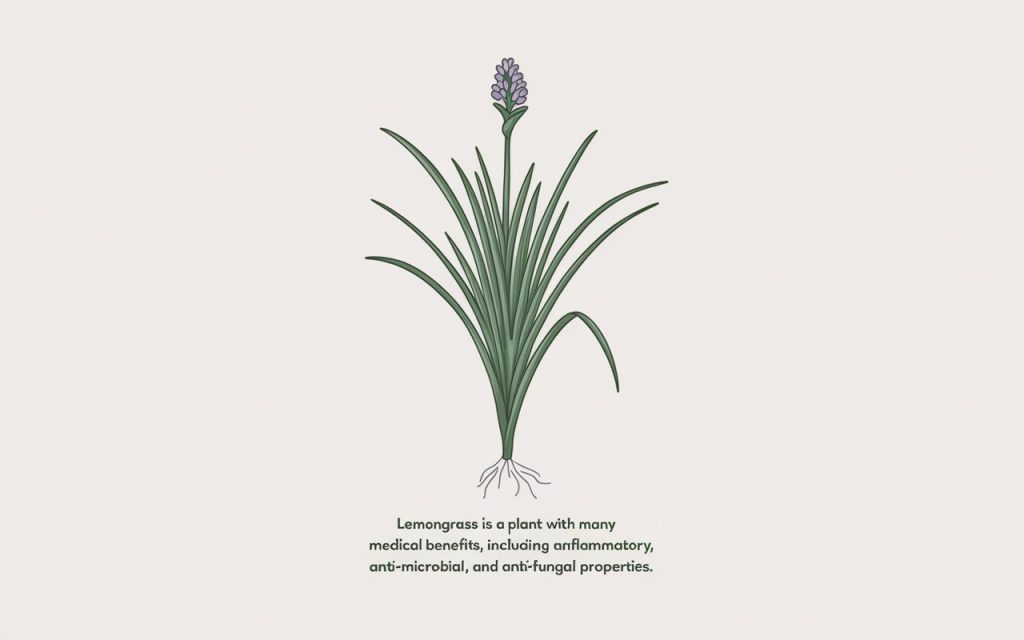
Lemongrass, scientifically known as Cymbopogon citratus, is a tropical plant widely recognized for its aromatic properties and culinary uses. However, its benefits extend far beyond flavoring dishes. This grass-like herb is celebrated in traditional medicine systems, particularly in Southeast Asia, for its therapeutic potential.
One of the key components of lemongrass is citral, an active compound known for its anti-inflammatory and antimicrobial properties. These attributes make lemongrass an excellent choice for addressing various health concerns, from digestive disorders to skin ailments.
In traditional medicine, lemongrass has been utilized to manage hypertension, as its diuretic properties can help in reducing blood pressure levels by promoting fluid loss. This gentle herb is often consumed as tea or infused in essential oils, making it an accessible option for those seeking natural remedies.
Moreover, lemongrass is noted for its potential in alleviating pain, especially headaches and muscle discomfort. A warm lemongrass infusion can be applied topically or inhaled through steam to enhance relaxation and relieve tension.
When it comes to digestion, lemongrass acts as a carminative, helping to alleviate gas, bloating, and other gastrointestinal issues. Incorporating lemongrass into meals or consuming it as tea can facilitate digestion and promote overall gut health.
Lemongrass also shows promise in wound healing, thanks to its antiseptic properties. Applying diluted lemongrass oil to minor cuts and abrasions can help prevent infections and speed up the healing process.
For skin health, lemongrass is rich in antioxidants and vitamins that contribute to a radiant complexion. Its anti-inflammatory qualities can soothe irritated skin and combat acne, making it a popular ingredient in natural skincare products.
When and How to Use Lemongrass (Cymbopogon citratus)
| Target Audience | When to Use | Form/Method of Use | Dosage |
|---|---|---|---|
| Individuals with High Blood Pressure | To help reduce systolic and diastolic blood pressure | Tea or Capsules | Tea: 1 cup (made with 1-2 teaspoons dried lemongrass) daily, Capsules: Follow manufacturer’s instructions (usually 500 mg/day) |
| Those with Muscle or Joint Pain | For muscle pain relief, joint discomfort, or headaches | Topical (Essential Oil diluted with carrier oil) | Apply 2-3 drops of lemongrass essential oil diluted in a carrier oil like coconut oil, up to 3 times daily |
| People with Digestive Issues | To alleviate indigestion, bloating, constipation, or gas | Tea or Capsules | Tea: 1-2 cups daily after meals, Capsules: Follow manufacturer’s instructions (usually 500 mg/day) |
| Individuals with Minor Cuts or Wounds | To promote wound healing and prevent infection | Topical (Infusion or Oil) | Apply diluted lemongrass oil (1-2 drops in 1 tsp carrier oil) to the affected area 1-2 times daily |
| People with Oily or Acne-Prone Skin | For skin cleansing, controlling oil production, and treating acne | Topical (Skincare Products or Essential Oil) | Use skincare products with lemongrass daily or apply diluted lemongrass oil (1-2 drops in 1 tsp carrier oil) once daily |
| Individuals with Anxiety or Stress | To reduce anxiety and promote relaxation | Aromatherapy (Essential Oil) or Tea | Aromatherapy: Diffuse 3-5 drops in a diffuser, Tea: 1 cup of lemongrass tea (1-2 teaspoons dried) daily |
Managing Blood Pressure
Lemongrass contains compounds that act as diuretics, promoting fluid elimination and helping to lower blood pressure. Studies show that lemongrass tea may help reduce systolic and diastolic blood pressure by relaxing blood vessels and reducing strain on the heart. This makes it an excellent natural option for those looking to maintain healthy blood pressure levels.
Pain Relief
Lemongrass possesses anti-inflammatory and analgesic properties, making it useful for managing pain. Applying lemongrass essential oil diluted with a carrier oil can help reduce muscle pain and joint discomfort. Its compounds help inhibit the production of pain-causing enzymes, providing relief from headaches and arthritis.
Digestive Health
Traditionally, lemongrass has been used to soothe digestive issues such as bloating, constipation, and indigestion. Drinking lemongrass tea stimulates digestion by promoting bile secretion, improving digestion, and alleviating discomfort caused by gas or bloating.
Wound Healing
Lemongrass has antimicrobial properties that can help in wound healing by preventing infection. It can be applied as an oil or infusion to minor cuts and scrapes to promote faster healing and reduce the risk of bacterial infections.
Skin Health
Lemongrass is often found in skincare products due to its astringent, antiseptic, and antifungal properties. It helps cleanse the skin, control oil production, and treat acne. Lemongrass essential oil can be applied topically (after dilution) to reduce blemishes and give the skin a healthy glow.

In summary, lemongrass (Cymbopogon citratus) is not just a culinary herb but a versatile medicinal plant with various health benefits. From managing blood pressure to promoting skin health, lemongrass offers a natural approach to wellness.
If you’re interested in exploring more about the health benefits and uses of lemongrass, consider incorporating it into your daily routine, whether through culinary dishes, herbal teas, or topical applications. Always consult with a healthcare professional before beginning any new treatment.