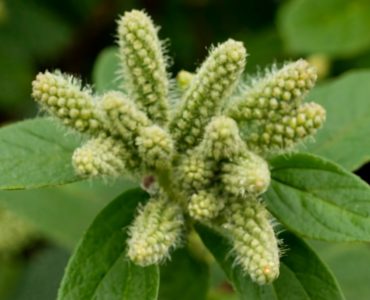
Marjoram (Origanum majorana) is a perennial herb closely related to oregano. While it shares some similarities with its cousin, marjoram has a milder, sweeter flavor profile. It has been used for centuries in both culinary and medicinal practices.
Marjoram is a fragrant herb belonging to the mint family (Lamiaceae) and is widely recognized for its culinary and medicinal applications. With its sweet, slightly peppery flavor, marjoram is commonly used in various dishes, including soups, stews, and sauces. However, its benefits extend far beyond the kitchen.
Culinary Uses
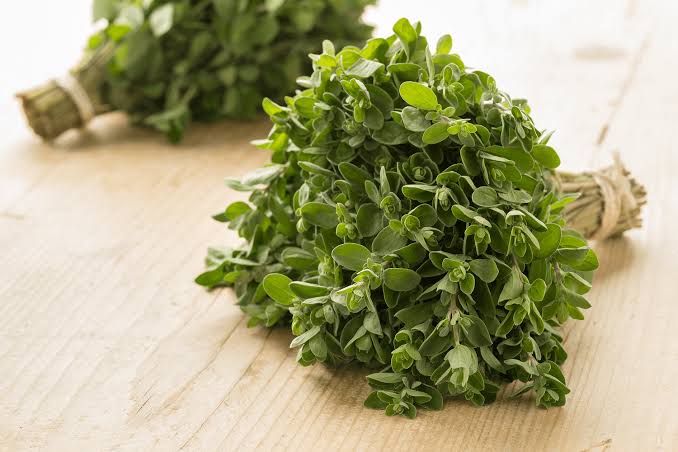
Marjoram is a versatile herb that can be used in various dishes. It adds a subtle, warm flavor to:
- Poultry: Marjoram pairs well with chicken, turkey, and duck.
- Vegetables: It complements roasted vegetables, especially root vegetables like carrots and potatoes.
- Soups and stews: A pinch of marjoram can elevate the flavor of soups and stews.
- Egg dishes: It can be added to omelets, frittatas, and scrambled eggs.
- Herbes de Provence: Marjoram is a key ingredient in this classic French herb blend.
Medicinal Properties
Marjoram has been used in traditional medicine for its potential health benefits.
Its essential oil is rich in antioxidants and has anti-inflammatory, antimicrobial, and calming effects. Here are some key health benefits of marjoram:
- Digestive Aid: Marjoram can help relieve digestive discomfort, including bloating and indigestion. It has carminative properties, which means it helps expel gas and soothe the digestive tract.
- Respiratory Health: The herb is often used in traditional remedies for respiratory conditions. Its antiseptic properties may help clear mucus and alleviate symptoms of colds and respiratory infections.
- Stress Relief: Marjoram is known for its calming effects on the nervous system. It can help reduce anxiety, promote relaxation, and improve sleep quality when used in herbal teas or aromatherapy.
- Antioxidant Benefits: Rich in antioxidants, marjoram helps combat oxidative stress, which can contribute to chronic diseases. Regular consumption may support overall health and wellness.
- Anti-inflammatory Effects: The anti-inflammatory properties of marjoram can help reduce inflammation in the body, making it beneficial for conditions like arthritis.
Traditional Uses
In traditional medicine, marjoram has been used to prepare infusions and tinctures. Marjoram tea, made by steeping fresh or dried leaves in hot water, is a popular remedy for various ailments, including digestive issues and stress relief.
How to Use Marjoram
Marjoram can be used fresh or dried.
- Fresh Marjoram:
- Harvest fresh marjoram leaves when the plant is in full bloom.
- Use fresh marjoram in salads, sauces, and other dishes for a more intense flavor.
- Dried Marjoram:
- Dry marjoram leaves by hanging them upside down in a warm, dry place.
- Store dried marjoram in an airtight container in a cool, dark place.
When using marjoram, remember that a little goes a long way. Its delicate flavor can easily be overpowered by stronger herbs.
Here are some detailed recipes and homeopathic applications to incorporate marjoram into your daily life effectively.
Culinary Uses of Marjoram
1. Marjoram-Infused Olive Oil
Ingredients:
- 1 cup extra virgin olive oil
- 1/4 cup fresh marjoram leaves (or 2 tablespoons dried marjoram)
- Optional: garlic cloves or chili flakes for added flavor
Instructions:
- Preparation: Lightly bruise the marjoram leaves to release their essential oils. If using garlic, crush a few cloves.
- Infusion: In a small saucepan, combine olive oil, marjoram, and optional ingredients. Heat over low heat for about 10-15 minutes, ensuring the oil doesn’t reach its smoke point.
- Strain: Remove from heat and let it cool. Strain the oil through a fine mesh strainer or cheesecloth into a clean, sterilized bottle.
- Storage: Store in a cool, dark place. Use it as a dressing for salads, drizzling over roasted vegetables, or as a dipping oil for bread.
2. Marjoram Tea
Ingredients:
- 1-2 teaspoons dried marjoram leaves (or a handful of fresh leaves)
- 1 cup boiling water
- Honey or lemon (optional)
Instructions:
- Steeping: Place the dried or fresh marjoram in a tea infuser or directly in a cup. Pour boiling water over it.
- Infusion: Cover and steep for 5-10 minutes, depending on your taste preference.
- Strain: If using loose leaves, strain the tea into another cup. Sweeten with honey or add lemon if desired.
- Benefits: Drink this soothing tea to help with digestion, respiratory issues, and to promote relaxation.
3. Marjoram Seasoning Mix
Ingredients:
- 2 tablespoons dried marjoram
- 2 tablespoons dried thyme
- 2 tablespoons dried oregano
- 1 tablespoon garlic powder
- 1 tablespoon onion powder
- Salt and pepper to taste
Instructions:
- Mixing: In a small bowl, combine all the dried herbs and spices. Mix thoroughly.
- Storage: Transfer the mix to an airtight container and label it.
- Usage: Use this seasoning mix to flavor meats, stews, soups, and roasted vegetables. It enhances the taste of Mediterranean dishes beautifully.
Homeopathic Applications of Marjoram
1. Marjoram Essential Oil for Muscle Pain Relief
Ingredients:
- 5 drops marjoram essential oil
- 2 tablespoons carrier oil (e.g., coconut oil, almond oil)
Instructions:
- Mixing: Combine the marjoram essential oil with the carrier oil in a small bowl.
- Application: Apply the mixture to sore muscles and joints. Gently massage the area until fully absorbed.
- Benefits: Marjoram’s anti-inflammatory properties can help relieve muscle tension and discomfort.
2. Marjoram Cold Compress
Ingredients:
- 2-3 drops marjoram essential oil
- 1 cup water
- A clean cloth or towel
Instructions:
- Preparation: Mix the marjoram essential oil in water.
- Soaking: Soak the cloth or towel in the mixture, then wring it out to remove excess liquid.
- Application: Apply the damp cloth to the affected area for 15-20 minutes. This can be beneficial for headaches or muscle pain.
3. Marjoram Homeopathic Tincture
Ingredients:
- Fresh marjoram leaves
- Alcohol (vodka or brandy)
- A glass jar with a lid
Instructions:
- Preparation: Fill the jar halfway with fresh marjoram leaves.
- Infusion: Pour alcohol over the leaves until completely covered. Seal the jar tightly.
- Steeping: Store the jar in a dark place for 4-6 weeks, shaking it gently every few days.
- Strain: After the steeping period, strain the liquid through a fine mesh strainer or cheesecloth into a clean bottle.
- Usage: Take a few drops of the tincture in water for digestive health or anxiety relief. Consult with a healthcare professional for appropriate dosage.
Conclusion
Marjoram (Origanum majorana) is not only a versatile culinary herb but also offers numerous health benefits. Incorporating marjoram into your diet and wellness routine can contribute to improved digestion, respiratory health, and overall well-being. Whether enjoyed in a dish or brewed as tea, marjoram is a delightful addition to a healthy lifestyle.