
NAC (N-acetyl cysteine) is an altered form of the amino acid cysteine, which is commonly found in food and synthesised by the body. It is not a true nutrient and cannot be obtained from food, it is only found in food supplements. NAC has the ability to produce the antioxidant enzyme glutathione peroxidase.
NAC is considered ‘conditionally essential’ because your body can produce it from other amino acids. It becomes essential only when the dietary intake of methionine and serine is low. Cysteine is found in most high protein foods, such as chicken, turkey, yogurt, cheese, eggs, sunflower seeds, and legumes.
What it does
- Liver Protectant: Glutathione is required for the detoxification of toxins by the liver. NAC has been shown to be the most effective method of increasing glutathione levels. NAC is often administered in the early stages of paracetamol poisoning.
- Detoxifier: NAC is one of the most effective methods of elevating glutathione, required for liver detoxification.
- Heavy Metal Scavenger: It is able to bind to heavy metals, thus aiding their removal from the body.
- Antioxidant: NAC, both alone and as part of glutathione, is a very effective free radical scavenger. It is especially valuable in protecting cell membranes.
- Cardiovascular Protectant: NAC can prevent oxidation of LDL cholesterol, a known risk factor in heart disease. NAC also significantly lowers lipoprotein A, which appears to be an even greater risk factor in heart disease than cholesterol.
- Respiratory Support: NAC breaks up bonds that account for the thick consistency of mucous, thus aiding its removal. NAC may help dissolve mucus and improve symptoms associated with chronic bronchitis, asthma, cystic fibrosis and emphysema. Chronic smokers also may benefit from NAC supplementation due to its antioxidant properties (cigarette smoke is a significant source of free radicals)
- Anti-Viral: NAC increases glutathione levels in virally infected cells more efficiently than taking glutathione itself. Raised cellular glutathione inhibits viral spread.
Potential Uses
| Liver protection | Emphysema | Cystic fibrosis |
| Heavy metal poisoning | Chronic obstructive pulmonary disease | Bronchitis |
| Paracetamol poisoning | Atherosclerosis | Asthma |
| Cigarette smokers |
Benefits of NAC
- Reduce inflammation: NAC is an antioxidant that helps to reduce inflammation. Inflammation is a natural response to injury or infection, but it can also be chronic and contribute to a number of health problems.
- Protect the liver: NAC can help to protect the liver from damage caused by toxins and infections.
- Clear mucus: NAC can help to clear mucus from the airways, which can be helpful for people with respiratory conditions such as asthma and bronchitis.
- Boost the immune system: NAC can help to boost the immune system by increasing the production of white blood cells.
- Improve liver function: NAC can help to improve liver function by reducing inflammation and promoting the regeneration of liver cells.
NAC has been shown to have a number of benefits, including:
- Detoxify the body: NAC can help to detoxify the body by removing toxins such as heavy metals and free radicals.
- Improve cognitive function: NAC has been shown to improve cognitive function in people with conditions such as Alzheimer’s disease and Parkinson’s disease.
- Increase athletic performance: NAC has been shown to increase athletic performance by reducing inflammation and improving oxygen delivery to the muscles.
Consequences of Deficiency
A deficiency in NAC is not well-established. However, some studies have shown that people with low levels of NAC may be at an increased risk for some health problems, such as chronic inflammation and liver damage.
Examples of Products Full of NAC
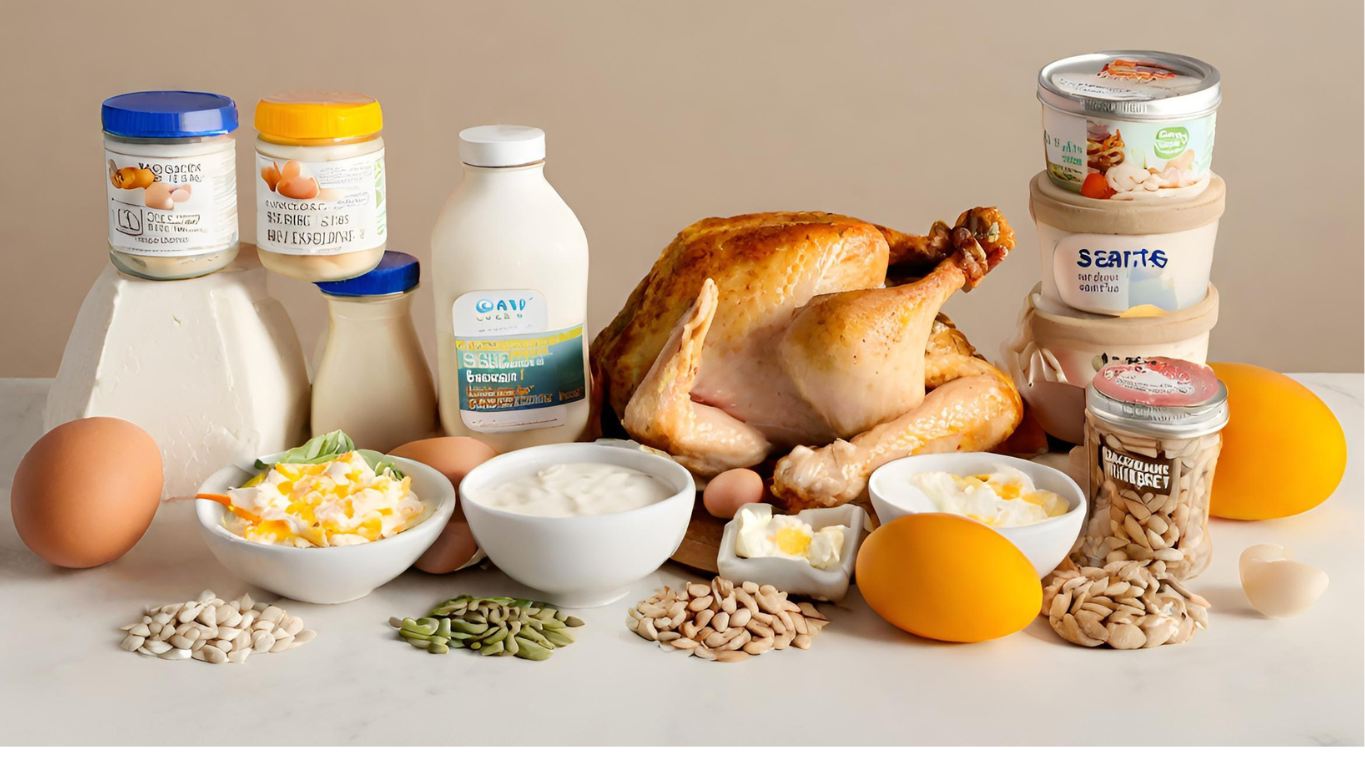
NAC is available as a dietary supplement. It can also be found in some foods, such as:
- Nuts: Almonds, peanuts, and walnuts.
- Seeds: Sunflower seeds, pumpkin seeds, and flaxseeds.
- Eggs: Eggs are a good source of NAC.
- Meat: Beef, chicken, and fish are also good sources of NAC.
- Dairy products: Milk, yogurt, and cheese are also good sources of NAC.
How to Use NAC
The recommended dosage of NAC varies depending on the individual and the condition being treated. It is best to talk to your doctor to determine the right dosage for you.
Where is NAC usually found?
NAC is naturally found in the body and in some foods, such as:
- Nuts: Almonds, peanuts, and walnuts.
- Seeds: Sunflower seeds, pumpkin seeds, and flaxseeds.
- Eggs: Eggs are a good source of NAC.
- Meat: Beef, chicken, and fish are also good sources of NAC.
- Dairy products: Milk, yogurt, and cheese are also good sources of NAC.
What foods are highest and lowest in NAC?
The highest sources of NAC are:
- Nuts: Almonds, peanuts, and walnuts.
- Seeds: Sunflower seeds, pumpkin seeds, and flaxseeds.
- Eggs: Eggs are a good source of NAC.
- Meat: Beef, chicken, and fish are also good sources of NAC.
- Dairy products: Milk, yogurt, and cheese are also good sources of NAC.
What does NAC do to your body?
NAC is involved in a number of important bodily functions, including:
- Making glutathione: NAC is a precursor to glutathione, which is a powerful antioxidant that helps protect cells from damage.
- Clearing mucus: NAC can help to clear mucus from the airways, which can be helpful for people with respiratory conditions such as asthma and bronchitis.
- Boosting the immune system: NAC can help to boost the immune system by increasing the production of white blood cells.
- Detoxifying the body: NAC can help to detoxify the body by removing toxins such as heavy metals and free radicals.
What is N-acetyl cysteine used for?
NAC is used for a variety of purposes, including:
- Reducing inflammation: NAC is an antioxidant that helps to reduce inflammation.
- Protecting the liver: NAC can help to protect the liver from damage caused by toxins and infections.
- Clearing mucus: NAC can help to clear mucus from the airways, which can be helpful for people with respiratory conditions such as asthma and bronchitis.
- Boosting the immune system: NAC can help to boost the immune system
Cautions
Generally, there are no side effects or contra-indications from using NAC.
Vitamin C supplementation is often recommended when taking 1-cysteine.
If you take metoclopramide or use nitroglycerine, consult your doctor before taking NAC.
Do not use in pregnancy or when breastfeeding.
Cysteine may produce a false positive in diabetic tests for ketone bodies.