
Obesity has emerged as one of the most pressing health challenges of our time, affecting millions of people worldwide and touching virtually every aspect of human health. Understanding this complex condition requires us to look beyond simple definitions and explore the intricate web of biological, environmental, and social factors that contribute to it.
At its core, obesity is a medical condition characterized by excessive body fat accumulation that presents risks to health. However, this straightforward definition barely scratches the surface of what obesity truly represents. It’s not simply about numbers on a scale or appearance, but rather about how excess body fat disrupts the delicate balance of our body’s systems, affecting everything from how our cells process energy to how our organs function day to day.
Key Facts
- More than 1 billion people worldwide now live with obesity (WHO, 2024)
- In the United States, 40.3% of adults have obesity (CDC, 2023)
- Approximately 1 in 5 U.S. children and adolescents have obesity (CDC, 2024)
- Obesity-related medical costs exceed $170 billion annually in the U.S. (CDC)
- An estimated 5 million deaths annually are attributed to obesity-related causes (WHO, 2019)
- Global costs of obesity predicted to reach $3 trillion by 2030 (WHO, 2024)
Obesity – Symptoms and Causes
To truly understand obesity, we need to recognize it as more than just excess weight.
The condition manifests through several observable signs that extend well beyond what we see on a bathroom scale.
Body Mass Index, or BMI, serves as the primary diagnostic tool, calculated by dividing a person’s weight in kilograms by the square of their height in meters. While this measurement has limitations (it doesn’t distinguish between muscle and fat, for instance), it provides a useful starting point for assessment.
| BMI Range | Category | Weight (kg) (5′6″ / 168 cm) |
Weight (lbs) (5′6″ / 168 cm) |
|---|---|---|---|
| Below 18.5 | Malnourished / Underweight | Below 52 kg | Below 115 lbs |
| 18.5 – 24.9 | Normal Weight | 52 – 70 kg | 115 – 154 lbs |
| 25.0 – 29.9 | Overweight | 71 – 84 kg | 155 – 185 lbs |
| 30.0 and above | Obesity | 85 kg and above | 186 lbs and above |
The symptoms of obesity often develop gradually and may not always be immediately obvious to the person experiencing them.
Physical signs include:
- an increased waist circumference,
- difficulty performing physical activities that were once manageable,
- shortness of breath during mild exertion,
- and excessive sweating with minimal activity
- joint pain, particularly in weight-bearing areas like the knees, hips, and lower back, as the additional weight places extraordinary stress on these structures.
- The cardiovascular system works harder to pump blood through additional tissue,
- the respiratory system struggles to expand the lungs against the weight of excess chest and abdominal fat,
- the endocrine system faces disruption as fat tissue itself acts as an active organ, producing hormones and inflammatory substances that interfere with normal metabolic processes.
Beyond the physical manifestations, obesity can affect nearly every system in the human body.
What are the Early Warning Signs of Obesity?
Recognizing obesity in its early stages can make intervention significantly more effective. The early warning signs often appear subtly and may be easy to dismiss or overlook.
One of the early indicators of obesity can be noticing that clothes fit more tightly, especially around the waist. Fat often accumulates in this area first, and visceral fat—fat that surrounds internal organs—can pose health risks even before obesity is formally diagnosed.
Other physical and functional changes may also appear as the body begins carrying more weight than it can manage efficiently. Common signs include:
- Clothes becoming consistently tighter, particularly around the waist
- Increased fatigue during everyday activities, such as climbing stairs or playing with children
- Shortness of breath or feeling winded more easily than before
- New or worsening sleep issues, including snoring or waking up feeling unrested
- Increased hunger, frequent cravings, or needing larger portions to feel full
- A gradual but steady increase in body weight over several months without major changes in diet or activity
Changes in how the body responds to food can also act as warning signs. More frequent hunger, stronger cravings, or reduced feelings of fullness may suggest that hunger and satiety signals are becoming less balanced. Paying attention to these patterns early can help support better long-term health outcomes.
Obesity vs Overweight
The distinction between being overweight and having obesity might seem semantic, but it carries important medical implications. Both conditions involve carrying excess body weight, but they exist on a continuum of risk, with obesity representing a more severe degree of excess weight and correspondingly higher health risks.
Using BMI as the measurement standard, a person with a BMI between 25 and 29.9 is classified as overweight, while obesity begins at a BMI of 30 or higher. To put this in concrete terms, a person who is five feet nine inches tall would be considered overweight at approximately 170 to 202 pounds, and obese at 203 pounds or more. However, these numbers should be understood as guidelines rather than absolute determinants, as factors like muscle mass, bone density, and body composition play important roles.
The health implications differ between these two categories as well. While being overweight does increase health risks compared to a normal weight range, obesity typically presents a more immediate and severe threat to health. Think of it like the difference between a gentle slope and a steep incline—both represent upward movement, but the rate of change and the difficulty in reversing course differ significantly. Someone who is overweight might have slightly elevated blood pressure or cholesterol, while someone with obesity more commonly faces multiple health complications occurring simultaneously.
What is the Obese Weight?
Determining what constitutes obese weight requires understanding that it’s not about a single number but rather about the relationship between your weight and height. For adults, obesity is typically diagnosed when BMI reaches 30 or higher, but the condition is further subdivided into three classes that reflect increasing severity and health risk.
- Class I obesity, sometimes called low-risk obesity, occurs with a BMI of 30 to 34.9.
- Class II obesity, considered moderate-risk, spans BMI 35 to 39.9.
- Class III obesity, previously termed morbid obesity but now more commonly called severe obesity, describes a BMI of 40 or higher.
For our five-foot-nine-inch example, these classes would translate to approximately 203 to 236 pounds for Class I, 237 to 270 pounds for Class II, and 271 pounds or more for Class III.
However, BMI tells only part of the story.
Two people with identical BMIs might have very different health profiles. Where fat is distributed on the body matters tremendously.
Visceral fat, which accumulates around internal organs in the abdominal cavity, poses far greater health risks than subcutaneous fat, which sits just beneath the skin. This is why waist circumference serves as an important additional measurement. For men, a waist circumference exceeding 40 inches indicates increased risk, while for women, the threshold is 35 inches.
What are the Four Stages of Obesity?
Medical professionals have developed a staging system for obesity that goes beyond simple BMI measurements to consider the overall health impact and functional limitations a person experiences. This more nuanced approach recognizes that two people with the same BMI might require very different interventions based on their overall health status.
- Stage 0 represents having a BMI in the obesity range but without any obesity-related health complications or functional limitations. The person can
- perform daily activities without difficulty and shows no metabolic abnormalities.
- This stage represents an important window for preventive intervention before health consequences develop.
- Stage 1 obesity involves the presence of mild metabolic abnormalities or risk factors. A person at this stage might have
- borderline high blood pressure,
- slightly elevated blood sugar levels that don’t yet meet the criteria for diabetes,
- or early signs of fatty liver disease.
- They may notice mild limitations in physical function, like getting tired more easily during exercise, but can still perform most daily activities without significant difficulty.
- Stage 2 represents moderate to severe obesity-related health problems. At this stage, conditions like
- type 2 diabetes,
- significant hypertension,
- or sleep apnea have developed and require medical management.
- Physical limitations become more pronounced,
- affecting work capacity and quality of life.
- Simple tasks like walking extended distances or climbing multiple flights of stairs become challenging.
- Stage 3, the most severe stage, involves advanced obesity-related complications that significantly impair quality of life and may be life-threatening.
- Organs may show signs of damage from long-standing metabolic disease,
- physical disability may limit independence,
- and multiple medications are typically required to manage various health conditions.
- At this stage, more aggressive interventions are often medically necessary.
What are the Causes of Obesity?
Understanding what causes obesity requires us to move beyond oversimplified explanations and recognize the condition as the result of multiple interconnected factors.
While the fundamental mechanism—consuming more calories than the body burns—sounds straightforward, the reality involves a complex interplay of biology, environment, behavior, and circumstance that varies considerably from person to person.
The genetic component of obesity
is substantial but not deterministic. Research suggests that genetics account for roughly 40 to 70 percent of the variation in body weight among individuals. Certain genes influence how efficiently your body converts food into energy, where your body stores fat, how quickly you feel full after eating, and even how strongly you crave certain types of foods.
If both parents have obesity, their children face roughly an 80 percent chance of developing obesity themselves, compared to less than 10 percent if both parents maintain a healthy weight. However, genes don’t seal your fate; they simply influence how your body responds to your environment and behaviors.
Modern food environments
have created what nutritionists call an “obesogenic” landscape. We’re surrounded by highly processed, calorie-dense foods engineered to be hyperpalatable—that is, designed to trigger pleasure responses in the brain that encourage overconsumption.
These foods typically combine high levels of sugar, fat, and salt in ways that don’t occur in nature, overwhelming our body’s natural satiety signals. Portion sizes have expanded dramatically over recent decades, normalizing consumption of quantities that exceed what most people need.
Meanwhile, healthy whole foods like fresh produce often cost more and require more time to prepare, creating barriers to healthier eating, particularly for families with limited resources.
Physical inactivity
represents another critical contributor to obesity’s rise. Modern life has engineered movement out of daily routines in countless ways. We drive rather than walk, take elevators instead of stairs, work at desks for hours without standing, and relax with screens rather than active recreation.
Many jobs that once required physical labor now involve sitting at computers. Neighborhoods lacking sidewalks, safe parks, or recreational facilities make physical activity more difficult, while concerns about safety may keep both children and adults indoors.
What are the Five Main Causes of Obesity?
While obesity stems from multiple factors, five primary causes emerge as particularly significant in the majority of cases. Understanding these helps illuminate why obesity has become so prevalent in modern society.
1. dietary patterns centered on processed and ultra-processed foods drive caloric overconsumption while providing poor nutritional value.
These foods are typically high in refined carbohydrates, added sugars, and unhealthy fats while being low in fiber and essential nutrients. When your diet consists primarily of foods like sugary beverages, fast food, packaged snacks, and processed meats, you’re consuming concentrated calories without the nutrients and fiber that help regulate appetite and maintain metabolic health.
The body’s sophisticated systems for regulating hunger and fullness evolved in an environment where food scarcity was common; they’re poorly equipped to handle the constant availability of these engineered foods.
2. sedentary lifestyles dramatically reduce daily energy expenditure.
The human body evolved for regular physical activity—our ancestors walked miles daily for food and water, engaged in physical labor, and rarely sat still for extended periods. Today, many people move very little throughout their entire day.
Office workers may spend eight or more hours sitting at desks, followed by sitting in cars or on public transit, then sitting at home for meals and entertainment. Even leisure time increasingly involves passive activities like watching television or scrolling through phones rather than active recreation.
3. insufficient sleep disrupts the hormones that regulate appetite and metabolism.
When you don’t get adequate sleep—generally considered to be seven to nine hours for most adults—your body produces more ghrelin, the hormone that stimulates hunger, and less leptin, the hormone that signals fullness.
Sleep deprivation also impairs decision-making and impulse control, making you more likely to choose unhealthy foods and larger portions.
Additionally, lack of sleep increases cortisol levels and insulin resistance, both of which promote fat storage, particularly around the abdomen.
4. chronic stress triggers biological responses that promote weight gain.
When you experience stress, your body releases cortisol and other stress hormones as part of the ancient “fight or flight” response. These hormones were designed to help you respond to immediate physical threats, but in modern life, we experience chronic psychological stress without the physical activity that would normally follow.
Elevated cortisol increases appetite, particularly cravings for sweet and fatty foods, promotes fat storage in the abdominal area, and can lead to emotional eating as people seek comfort through food.
5. certain medications and medical conditions can significantly promote weight gain.
Antidepressants, antipsychotics, diabetes medications (particularly insulin and sulfonylureas), corticosteroids, beta-blockers, and many other commonly prescribed medications can increase appetite, slow metabolism, or promote fluid retention.
Medical conditions including hypothyroidism, polycystic ovary syndrome, Cushing’s syndrome, and certain brain injuries or tumors can also lead to weight gain. While these factors don’t excuse the development of obesity, they make management considerably more challenging and require specific medical attention.
What are 10 Causes of Obesity?
Expanding beyond the five main causes, we can identify ten significant contributors that help explain why obesity has become so prevalent across diverse populations and circumstances.
- Economic Barriers to Healthy Eating: Nutritious foods often cost more and require more time and skills to prepare, making them less accessible for low-income families.
- Psychological and Emotional Factors: Conditions such as depression, anxiety, and trauma can lead to emotional eating and long-term weight gain.
- Gut Microbiome Imbalance: Differences in gut bacteria can affect energy extraction, fat storage, and food cravings, influencing obesity risk.
- Prenatal and Early Life Influences: Maternal health, birth weight, early feeding practices, and infant weight gain play a role in future obesity risk.
- Exposure to Endocrine-Disrupting Chemicals: Chemicals like BPA and pesticides can interfere with hormones that regulate metabolism and fat storage.
- Social and Cultural Eating Norms: Cultural traditions, social pressure, and emotional associations with food shape eating behaviors and portion sizes.
- Built Environment and Urban Design: Neighborhoods lacking walkability, parks, and access to fresh foods make healthy lifestyles harder to maintain.
- Age-Related Metabolic Changes: Loss of muscle mass, hormonal shifts, and reduced physical activity with age slow metabolism and promote weight gain.
- Influence of Social Networks: Weight-related behaviors and norms can spread through friends and family, affecting individual obesity risk.
- Sleep Disorders and Poor Sleep Quality: Conditions such as sleep apnea and insomnia disrupt metabolic regulation and contribute to weight gain.
1. Economic factors
Beyond what we’ve already discussed, economic factors play a crucial role that often goes underappreciated. Healthy, nutritious foods frequently cost more per calorie than processed alternatives, creating a situation where families with limited incomes face difficult choices.
Fresh produce, lean proteins, and whole grains require more of the food budget than pasta, bread, and inexpensive processed foods. Additionally, these healthier options often require more time and skill to prepare—resources that may be scarce for people working multiple jobs or long hours.
2. Psychological
Psychological factors including depression, anxiety, and trauma contribute substantially to weight gain. Many people use food as a coping mechanism for emotional distress, a pattern often established in childhood and reinforced over decades. Food provides temporary comfort and distraction from painful emotions, creating a cycle where emotional distress leads to overeating, which leads to weight gain, which leads to additional emotional distress. Breaking this cycle often requires addressing the underlying psychological issues alongside physical health interventions.
3. Gut microbiome
The gut microbiome—the trillions of bacteria living in our digestive system—has emerged as a surprising but significant factor in obesity. Research shows that the composition of gut bacteria differs between lean and obese individuals, and these bacteria influence how efficiently we extract energy from food, how we store fat, and even what foods we crave. Factors like antibiotic use, diet quality, and even birth method (cesarean section versus vaginal delivery) affect our microbiome composition and may influence obesity risk.
4. Prenatal and early life conditions
Prenatal and early life conditions set the stage for later obesity risk. Maternal obesity, gestational diabetes, and excessive weight gain during pregnancy all increase the likelihood that children will develop obesity. Babies born with high birth weights face increased risk, as do babies whose mothers smoked during pregnancy. Early feeding practices matter too—breastfeeding appears protective against later obesity, while rapid weight gain during infancy correlates with higher obesity rates in childhood and adulthood.
5. Endocrine-disrupting chemicals
Endocrine-disrupting chemicals in our environment may contribute to the obesity epidemic in ways we’re only beginning to understand. Substances like bisphenol A (BPA), phthalates, pesticides, and other synthetic chemicals can interfere with hormone signaling related to metabolism, appetite, and fat storage. These chemicals are ubiquitous in modern life, found in plastics, personal care products, food packaging, and countless other sources.
6. Social and cultural factors
Social and cultural factors shape eating behaviors and activity patterns in powerful ways. In many cultures, food represents love, celebration, and social connection. Family gatherings, holidays, and social events revolve around eating, often featuring high-calorie traditional dishes. Pressure to “clean your plate,” expectations to eat when food is offered, and associations between certain foods and emotional comfort all influence eating patterns. Similarly, cultural attitudes toward body size, physical activity, and health vary widely and affect behavior.
7. Built Environment and Urban Design
The built environment—how our cities, neighborhoods, and buildings are designed—significantly impacts obesity risk. Communities designed around automobile use rather than walking or cycling, lacking safe parks and recreational facilities, with limited access to grocery stores selling fresh foods but abundant fast food restaurants and convenience stores, create what public health experts call “food deserts” and “activity deserts.” Living in such environments makes maintaining healthy habits considerably more difficult regardless of personal motivation.
8. Age-related metabolic changes
Age-related metabolic changes make weight management progressively more challenging as we grow older. After about age 30, people typically lose muscle mass gradually unless they actively work to maintain it through resistance exercise. Since muscle tissue burns more calories than fat tissue, this loss slows metabolism. Hormonal changes, particularly during menopause for women, further affect weight distribution and make fat loss more difficult. Simultaneously, injuries, arthritis, and other age-related conditions may limit physical activity.
Social connections and relationship patterns influence weight in surprising ways.
9. Social networks
Research shows that obesity can spread through social networks—if your close friends or family members gain weight, your own risk increases. This likely reflects both shared behaviors and subtly shifting norms about what constitutes acceptable body size. Conversely, having a social network that prioritizes healthy behaviors provides support and modeling that makes maintaining healthy weight easier.
10. Sleep disorders
Finally, sleep disorders beyond simple sleep deprivation contribute to obesity. Conditions like obstructive sleep apnea, which is often caused by obesity but also worsens it, create a vicious cycle. The fragmented, poor-quality sleep these disorders cause has all the metabolic effects of insufficient sleep while being more difficult to recognize and address. Restless leg syndrome, insomnia, and circadian rhythm disorders all affect sleep quality and, consequently, weight regulation.
What are 10 Facts About Obesity?
Understanding the scope and nature of the obesity epidemic requires grappling with some sobering statistics and realities.
- obesity has nearly tripled globally since 1975, making it one of the fastest-growing health conditions worldwide. In the United States, more than 40 percent of adults now have obesity, with rates continuing to climb despite decades of public health efforts and widespread awareness of the problem.
- obesity costs the global economy approximately two trillion dollars annually when accounting for direct medical costs and lost productivity. In the United States alone, annual medical costs associated with obesity exceed $170 billion, with obese individuals spending roughly $1,400 more on healthcare each year compared to those at healthy weights. These costs affect everyone through higher insurance premiums and tax burdens, not just those with obesity.
- life expectancy decreases progressively with increasing obesity severity. Severe obesity can shorten lifespan by up to 14 years for men and eight years for women. Even moderate obesity takes an average of three years off life expectancy. Beyond shortened lifespan, obesity significantly reduces healthy life years—the time people can live independently and actively before disease and disability set in.
- Fourth, obesity in parents substantially increases their children’s risk through both genetic and environmental pathways. Children with two parents who have obesity face about an 80 percent chance of developing obesity themselves, compared to less than 10 percent if neither parent has obesity. This multigenerational transmission of obesity creates cycles that become increasingly difficult to break without intervention.
- obesity significantly increases cancer risk, with strong evidence linking excess weight to at least 13 different types of cancer. These include breast cancer (after menopause), colorectal cancer, kidney cancer, esophageal cancer, pancreatic cancer, liver cancer, and several others. Obesity-related cancers account for approximately 40 percent of all cancers diagnosed in the United States, a proportion that continues growing as obesity rates rise.
- more people worldwide now die from obesity-related causes than from undernutrition, marking a dramatic reversal from historical patterns. While hunger and malnutrition remain serious problems in many regions, obesity has emerged as the dominant nutritional disorder globally, affecting countries at all income levels. Even nations that recently faced widespread food scarcity now grapple with rising obesity rates.
- weight loss of just 5 to 10 percent of body weight produces significant health improvements. Many people believe they need to achieve “ideal” body weight to see health benefits, but research shows that even modest weight loss improves blood pressure, blood sugar control, cholesterol levels, and reduces inflammation. This more achievable goal can provide motivation and demonstrate that significant health gains don’t require perfection.
- obesity rates vary dramatically by race, ethnicity, and socioeconomic status, reflecting complex interactions between genetic predisposition, cultural factors, and social determinants of health. In the United States, Black and Hispanic adults have higher obesity rates than white adults, while Asian Americans have lower rates but may experience obesity-related health complications at lower BMI levels. These disparities highlight how obesity isn’t simply a matter of individual choices but reflects broader systemic issues.
- while diet and exercise form the foundation of obesity treatment, they often prove insufficient alone for people with established obesity, particularly severe obesity. The body actively defends against weight loss through metabolic adaptations, hormonal changes, and increased hunger signals that make sustained weight loss extraordinarily difficult through lifestyle modifications alone. This biological resistance doesn’t mean weight loss is impossible, but it does explain why many people struggle and why medical interventions are sometimes necessary.
- stigma and discrimination against people with obesity are pervasive and harmful, affecting employment, healthcare, education, and social interactions. People with obesity face bias from employers, healthcare providers, educators, and even family members. This stigma not only causes psychological harm but may actually worsen obesity by increasing stress, depression, and reducing engagement with healthcare. Research consistently shows that shame and blame are counterproductive for weight loss, while compassionate, non-judgmental support improves outcomes.
Epidemiology of Obesity
The global epidemiology of obesity reveals patterns that help us understand this condition as a modern epidemic shaped by societal changes rather than individual moral failings. Examining who develops obesity, where rates are highest, and how the condition has spread over time illuminates both the scope of the challenge and potential intervention points.
Globally, more than 1.9 billion adults are overweight, and of these, over 650 million have obesity.
No country has seen obesity rates decline in recent decades, though the rate of increase varies considerably by region. The United States, Mexico, and New Zealand lead developed nations in obesity prevalence, while rapidly developing countries are experiencing the steepest increases.
This pattern reflects what epidemiologists call the “nutrition transition”—as countries develop economically, they typically see a shift from traditional diets based on whole foods to Western-style diets high in processed foods, sugar, and fat.
Within countries, obesity doesn’t distribute evenly across the population. Socioeconomic gradients are particularly striking.
- In high-income countries like the United States, obesity rates are generally highest among people with lower income and education levels, reversing the historical pattern where wealth correlated with larger body size. This reflects how the modern food environment makes unhealthy foods cheap and accessible while healthy foods and opportunities for physical activity often require more financial resources.
- In lower-income countries, the pattern sometimes reverses, with higher socioeconomic status individuals showing higher obesity rates as they gain access to calorie-dense Western foods and sedentary lifestyles.
Age patterns in obesity reveal troubling trends
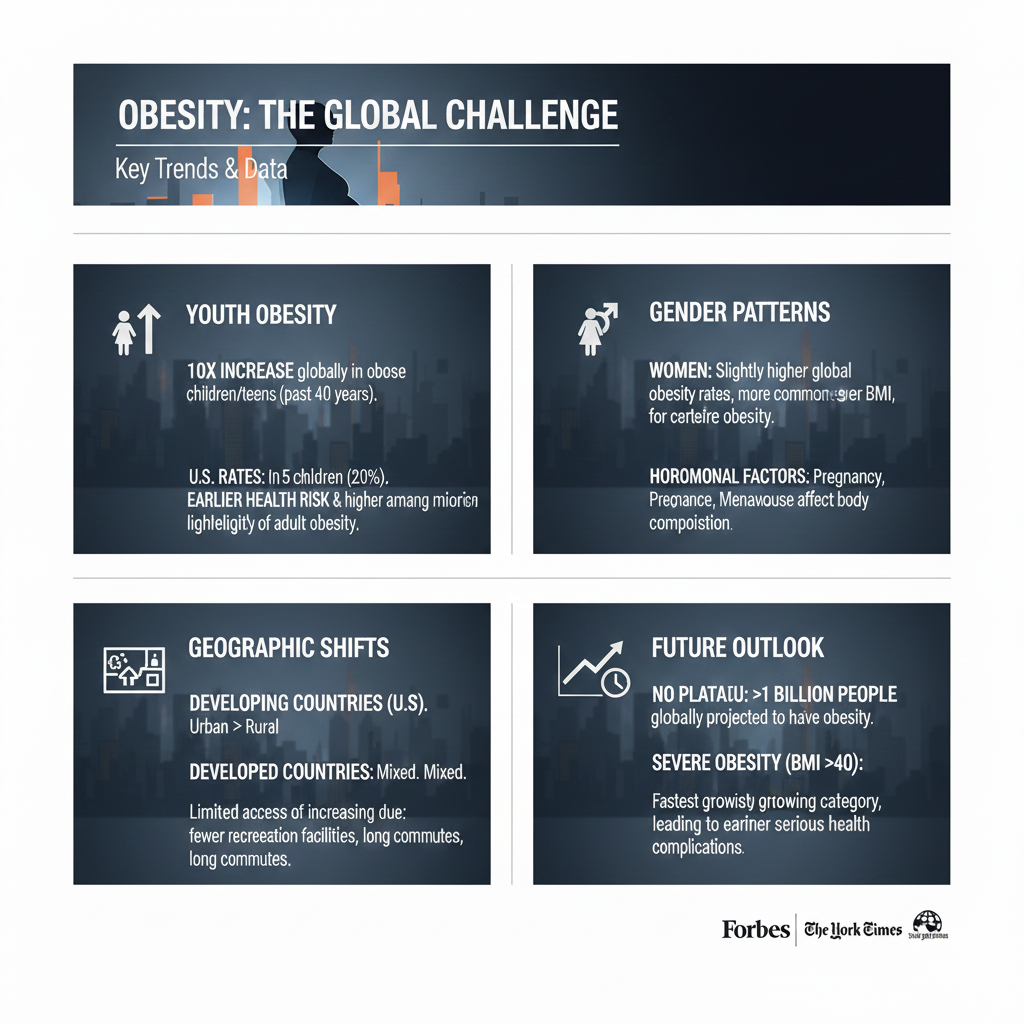
particularly the dramatic rise in childhood and adolescent obesity. Worldwide, the number of obese children and adolescents has increased tenfold over the past four decades.
In the United States, approximately 20 percent of children and adolescents now have obesity, with rates highest among certain racial and ethnic minority groups.
Children who develop obesity have a high likelihood of remaining obese into adulthood, and they face earlier onset of obesity-related health complications than previous generations.
Gender differences in obesity
appear in complex patterns that vary by age and cultural context. Among adults globally, women have slightly higher obesity rates than men, but severe obesity is more common in women across most populations. However, men often carry more dangerous visceral fat even at lower levels of overall obesity, potentially explaining why they face higher risks for certain obesity-related conditions at lower BMI levels. Hormonal factors, including pregnancy and menopause for women, affect body composition and weight distribution throughout the lifespan.
Geographic patterns
within countries often reflect the built environment and social determinants of health. Urban areas in developing countries typically show higher obesity rates than rural areas, while in developed countries like the United States, the pattern is more mixed. Rural areas increasingly face obesity epidemics despite lower population density, partly due to limited access to healthy foods and recreational facilities, longer commute times, and fewer opportunities for active transportation like walking or cycling.
Temporal trends show no signs of the obesity epidemic plateauing in most regions. Projections suggest that by 2030, more than one billion people worldwide will have obesity unless current trends change dramatically. Particularly concerning is the rapid increase in severe obesity—the proportion of people with BMI over 40 has grown faster than any other obesity category. This shift toward higher degrees of obesity means more people will experience serious health complications at younger ages.
Childhood Obesity
Childhood obesity demands particular attention because it sets trajectories that can affect health throughout a person’s entire life. Understanding how and why children develop obesity, along with its special implications for young people, helps us appreciate the urgency of both prevention and treatment efforts for this age group.
Children with obesity face immediate health consequences once thought to affect only adults. Type 2 diabetes, formerly called “adult-onset diabetes,” now appears in children as young as elementary school age.
- High blood pressure,
- high cholesterol,
- fatty liver disease, and even early signs of heart disease emerge in obese children and adolescents.
- Sleep apnea interrupts their rest and affects their ability to concentrate and learn.
- Joint problems and asthma limit their physical activity, creating vicious cycles where health problems make exercise more difficult, which worsens the obesity, which worsens the health problems.
The psychological impacts of childhood obesity
can be particularly devastating during these formative years. Children with obesity face bullying, teasing, and social exclusion from peers. They may develop poor self-esteem, depression, and anxiety.
These social and emotional consequences often prove more immediately distressing than physical health problems, affecting their academic performance, social development, and emotional wellbeing. The stigma children experience may persist even if they lose weight later, affecting their mental health into adulthood.
Understanding the causes of childhood obesity requires looking at the environment children inhabit.
Infants and toddlers have little control over what or how much they eat; parents and caregivers make these decisions.
As children grow, they face environments filled with marketing for unhealthy foods, school cafeterias offering limited healthy options, vending machines stocked with candy and soda, and social events centered on cake and ice cream.
Screen time has increased dramatically, with children spending more hours daily with television, video games, and mobile devices, time that might once have been spent in active play.
Family patterns powerfully influence childhood obesity risk.
Children model their eating and activity behaviors on what they observe at home. Families that prioritize home-cooked meals with vegetables and fruits raise children who eat more nutritiously.
Families that engage in active recreation together raise more active children. However, these patterns intersect with family resources, stress levels, and time availability. Parents working multiple jobs or long hours may rely on convenient processed foods and may have less time for family meals or active recreation.
The school environment
plays a crucial role in either promoting or preventing childhood obesity. Physical education programs have been reduced or eliminated in many schools due to budget constraints and emphasis on academic testing.
Recess time has decreased. Simultaneously, schools face pressure from food and beverage companies and sometimes rely on revenue from vending machines and partnerships with fast-food companies. Some schools have made admirable efforts to improve nutrition standards and increase physical activity, demonstrating that institutional changes can make a difference.
Prevention of childhood obesity
requires multi-level interventions that go beyond simply telling families to “eat better and exercise more.” Successful approaches address the environments children navigate daily.
This includes:
- improving the nutritional quality of school meals,
- ensuring adequate physical education and recess time,
- limiting marketing of unhealthy foods to children,
- making neighborhoods safer and more conducive to active play,
- and supporting parents with education and resources for providing healthy home environments.
Treatment of childhood obesity presents unique challenges and opportunities.
The rapid growth and development during childhood mean that sometimes maintaining current weight while growing taller can improve BMI without requiring actual weight loss. This approach may be appropriate for children with moderate overweight or mild obesity.
However, children with more severe obesity often need more intensive intervention, including:
- structured diet and exercise programs,
- behavioral therapy,
- and sometimes medical treatment.
Family involvement is critical—successful pediatric obesity treatment almost always requires the entire family to adopt healthier patterns.
The stakes for addressing childhood obesity extend beyond individual health.
Children with obesity are more likely to have obesity as adults, and they’re more likely to develop serious obesity-related complications at younger ages than if they’d developed obesity in adulthood.
Addressing obesity in childhood potentially prevents decades of disease and disability.
Moreover, children represent an opportunity to establish healthy patterns that can last a lifetime, potentially breaking intergenerational cycles of obesity.
What is Life Like for Obese People?
Understanding obesity requires moving beyond medical statistics to appreciate how it affects daily life, relationships, work, and emotional wellbeing. People living with obesity navigate a world that often wasn’t designed for their bodies and face challenges that extend far beyond physical health concerns.
Physical limitations
affect many aspects of daily life, though their severity varies considerably depending on obesity degree and individual fitness level. Tasks that people at healthy weights take for granted may require significant effort or become impossible. Airplane seats, restaurant booths, and theater chairs may be uncomfortable or unusable. Clothing options become limited, with many retailers offering only small selections of extended sizes, often at higher prices. Finding healthcare equipment like blood pressure cuffs or examination tables that accommodate larger bodies can be difficult, potentially delaying or discouraging medical care.
Mobility challenges
escalate with increasing obesity severity. Walking long distances, climbing stairs, or standing for extended periods becomes progressively more difficult. Simple activities like tying shoes, bathing, or getting in and out of vehicles may require accommodations or assistance. For people with severe obesity, these limitations can restrict independence and require modifications to homes and vehicles. Public transportation may be difficult to use, and many recreational activities become inaccessible.
Healthcare experiences
for people with obesity are often fraught with judgment and inadequate care. Many report that regardless of why they visit a doctor, they receive lectures about their weight without substantive help for the presenting problem. Some healthcare providers demonstrate visible disgust or frustration, make assumptions about lifestyle without asking about actual behaviors, or attribute all health problems to obesity without conducting thorough evaluations. Medical equipment—from blood pressure cuffs to imaging machines—may not accommodate larger bodies, compromising diagnostic accuracy. These experiences lead many people with obesity to avoid healthcare until problems become severe.
Professional life
brings unique challenges. Research shows that people with obesity, particularly women with obesity, face discrimination in hiring, promotion, and compensation. They may be perceived as less competent, lazy, or lacking discipline despite no evidence supporting these judgments. Some jobs have weight restrictions or physical requirements that exclude larger bodies. The expectation to maintain professional appearances intersects with limited clothing options and social bias, creating additional stress.
Social interactions and relationships
carry complicated dynamics. People with obesity often encounter unsolicited comments, advice, and criticism from strangers, acquaintances, and even family members. Well-meaning loved ones may nag about diet and exercise, creating resentment and damaging relationships. Dating can be particularly challenging, with people openly stating weight-based preferences and dating profiles sometimes featuring phrases like “no fat people.” Even positive attention can feel uncomfortable—some people report that weight loss brings unexpected and unwelcome attention to their bodies from others.
The psychological burden of living with obesity
in a weight-stigmatizing society affects mental health profoundly. Depression, anxiety, and eating disorders occur at higher rates among people with obesity, though determining whether these conditions cause or result from obesity (or both) can be difficult.
The constant bombardment with diet advertisements, “before and after” photos, and messages suggesting that weight loss will solve all life problems creates pressure and sets up unrealistic expectations. Many people have spent years or decades cycling through diets, experiencing repeated weight loss and regain, which erodes self-efficacy and hope.
Despite these challenges, many people with obesity live full, meaningful lives and reject the notion that their worth depends on body size. They maintain careers, relationships, hobbies, and community involvement.
The size acceptance and Health at Every Size movements challenge the medicalization and stigmatization of larger bodies, arguing that people of all sizes deserve respect, adequate healthcare, and freedom from discrimination.
These perspectives remind us that obesity exists within individuals who are so much more than their body size.
Understanding what life is like for people with obesity should inform how we approach the condition societally and medically. Judgment and stigma are not only cruel but counterproductive—they worsen health outcomes rather than motivating positive change. Effective approaches must address both the biological aspects of obesity and the social context in which people with obesity live.
What are 5 Risks of Obesity?
The health risks associated with obesity extend across virtually every body system, but five categories of risk stand out as particularly significant due to their prevalence, severity, and impact on quality of life and longevity.
1. Cardiovascular disease represents the most deadly obesity-related risk
Excess body fat, particularly visceral fat surrounding internal organs, profoundly affects heart and vascular health through multiple mechanisms. Obesity increases blood pressure because the heart must work harder to pump blood through additional tissue and because hormones produced by fat tissue affect blood vessel function. It worsens cholesterol profiles, typically increasing harmful LDL cholesterol and triglycerides while decreasing protective HDL cholesterol. Obesity promotes atherosclerosis—the buildup of fatty plaques in arteries—accelerating the development of coronary artery disease. These factors combine to dramatically increase the risk of heart attack, stroke, and heart failure. People with obesity face two to three times the risk of cardiovascular disease compared to people at healthy weights, and cardiovascular disease remains the leading cause of death in most developed nations.
2. Type 2 diabetes occurs at remarkably higher rates in people with obesity
with estimates suggesting that obesity accounts for 80 to 85 percent of diabetes risk. Understanding this connection requires recognizing how excess body fat interferes with insulin function. Insulin acts as a key that allows glucose to enter cells for energy, but fat tissue produces hormones and inflammatory substances that interfere with this process, a condition called insulin resistance. The pancreas compensates by producing more insulin, but eventually it cannot keep pace, and blood sugar levels rise into the diabetic range. Diabetes brings devastating complications including nerve damage, kidney failure, vision loss, increased infection risk, and dramatically elevated cardiovascular disease risk. The combination of obesity and diabetes is particularly dangerous, as they compound each other’s effects on health.
3. Cancer connections to obesity
have become increasingly clear through research, with excess weight now recognized as a major modifiable cancer risk factor, second only to tobacco. Fat tissue isn’t metabolically inert but acts as an active endocrine organ producing hormones, growth factors, and inflammatory substances that can promote cancer development. Obesity increases estrogen levels, raising risks for breast, endometrial, and ovarian cancers. It promotes chronic inflammation, creates favorable conditions for tumor growth, and impairs the body’s ability to recognize and destroy abnormal cells. Current evidence links obesity to at least 13 different types of cancer, and obesity-related cancers account for approximately 40 percent of all cancers diagnosed. Disturbingly, while smoking-related cancer rates have declined, obesity-related cancer rates continue rising, particularly among younger adults.
4. Respiratory problems
develop as excess weight affects breathing mechanics and lung function. The most prevalent and dangerous is obstructive sleep apnea, where breathing repeatedly stops during sleep due to airway collapse. The extra tissue around the neck compresses airways, and abdominal fat pushes up on the diaphragm, reducing lung volume. Sleep apnea fragments sleep, leaving people exhausted despite spending adequate time in bed. It also causes repeated drops in blood oxygen levels that strain the heart and blood vessels, significantly increasing cardiovascular disease risk. Beyond sleep apnea, obesity makes the lungs work harder during everyday activities. The weight of chest and abdominal fat restricts lung expansion, reducing the amount of air you can breathe in and making physical activity more difficult. Asthma symptoms often worsen with obesity, and obesity increases the risk of developing asthma in the first place.
5. Joint problems and mobility limitations
affect quality of life substantially and create vicious cycles that perpetuate obesity. Every extra pound of body weight places approximately four additional pounds of pressure on knee joints during walking and even more during activities like climbing stairs or running. This accelerated wear and tear leads to osteoarthritis—the breakdown of cartilage that cushions joints—causing pain, stiffness, and reduced mobility. Weight-bearing joints including knees, hips, ankles, and the lower back bear the brunt of this damage, but obesity also increases arthritis risk in non-weight-bearing joints like hands through inflammatory mechanisms. Joint pain and reduced mobility make physical activity difficult and painful, leading many people to become more sedentary, which worsens obesity and further deteriorates joint health. This cycle can progress to disability, loss of independence, and need for joint replacement surgery, which carries higher risks and complications in people with obesity.
What are 5 Examples of a Risk Factor?
Understanding obesity requires placing it within the broader context of how we think about disease risk. A risk factor is any characteristic, behavior, or exposure that increases the likelihood of developing a disease or injury. In the context of obesity-related health problems, five exemplary risk factors illustrate how multiple influences combine to determine health outcomes.
1. Age
serves as a foundational risk factor for many obesity-related conditions. The risk of developing type 2 diabetes, cardiovascular disease, and many cancers increases with age, partly because these conditions take time to develop and partly because of age-related changes in metabolism, hormone levels, and cellular function. When combined with obesity, age amplifies risk. A 60-year-old with obesity faces much higher immediate health risks than a 25-year-old with the same BMI, though the younger person’s risks will accumulate over time if obesity persists.
2. Family history and genetics provide
another crucial category of risk factors. Having a parent or sibling with type 2 diabetes, heart disease, or certain cancers increases your own risk for these conditions, reflecting both shared genetic susceptibility and shared environmental and behavioral patterns. When obesity is added to a strong family history, risks multiply rather than simply add together. Someone with both obesity and a family history of heart disease faces dramatically elevated risk compared to someone with only one of these factors.
3. Lifestyle behaviors
beyond those that directly cause obesity act as additional risk factors. Smoking, excessive alcohol consumption, and drug use all independently increase health risks while often co-occurring with obesity and amplifying its harmful effects. Physical inactivity serves as a risk factor independent of weight—an inactive person at normal weight has higher health risks than an active person with obesity, and an inactive person with obesity faces the highest risks of all.
4. Pre-existing health conditions
operate as risk factors for developing additional problems. Someone with hypertension (high blood pressure) faces increased risk for stroke and heart disease, and if they also have obesity, the combined effect is particularly dangerous. Similarly, having prediabetes—blood sugar levels higher than normal but not yet in the diabetic range—substantially increases the likelihood of progression to full diabetes, especially when obesity is present.
5. Social determinants
of health including income, education, housing stability, food security, and access to healthcare function as foundational risk factors that influence both obesity risk and obesity-related health outcomes. Someone who has obesity but also has financial resources, health insurance, education about health management, and access to quality healthcare will generally fare better than someone with obesity who lacks these resources.
These factors affect whether people can afford healthy foods and medications, access preventive care, take time off work for medical appointments, and live in safe neighborhoods with opportunities for physical activity.
Understanding risk factors helps explain why two people with similar obesity levels may experience very different health outcomes and why effective intervention requires addressing multiple factors simultaneously rather than focusing solely on weight.
What Does Obesity Do to Your Body?
Obesity affects virtually every organ system in the body, creating a cascade of physiological changes that extend far beyond simple excess weight. Understanding these mechanisms helps illustrate why obesity is properly understood as a disease rather than merely a cosmetic concern or lifestyle choice.
At the cellular level, obesity creates a state of chronic inflammation.
Fat cells, particularly visceral fat cells, produce inflammatory chemicals called cytokines that circulate throughout the body, affecting tissues and organs everywhere. This low-grade, persistent inflammation damages blood vessels, contributes to insulin resistance, promotes cancer development, and accelerates aging processes. Think of it as a constant low-intensity alarm signal that keeps the body’s defense systems activated when they should be resting, gradually wearing down tissues and impairing normal function.
The cardiovascular system bears a particularly heavy burden.
The heart must pump blood through additional miles of blood vessels serving extra tissue, increasing workload and eventually causing the heart muscle to thicken and become less efficient. Blood pressure rises as narrower, less flexible arteries struggle to accommodate blood flow. Fat accumulates in the blood vessel walls, creating plaques that narrow arteries and can rupture, triggering heart attacks and strokes. The heart’s electrical system may malfunction, causing irregular heart rhythms. Over time, these stresses can lead to heart failure, where the heart cannot pump enough blood to meet the body’s needs.
The endocrine system experiences profound disruption.
Insulin resistance develops as cells become less responsive to insulin signals, forcing the pancreas to produce ever more insulin to maintain blood sugar control. Eventually, the pancreas cannot keep up, and blood sugar rises into the diabetic range. Sex hormone production becomes imbalanced—men with obesity often have lower testosterone levels, while women may experience irregular menstrual cycles and increased risk of polycystic ovary syndrome. Thyroid function may be affected. Growth hormone production decreases. These hormonal disruptions affect energy, mood, muscle mass, bone density, and reproductive function.
The digestive system faces multiple challenges.
Fatty liver disease, where fat accumulates in liver cells, affects up to 90 percent of people with severe obesity. Left unchecked, this progresses to liver inflammation, scarring (cirrhosis), and even liver failure or liver cancer. Gallstones form more frequently as cholesterol concentration in bile increases. Gastroesophageal reflux disease (GERD) worsens as abdominal fat increases pressure on the stomach, pushing acid into the esophagus. The risk of colorectal cancer increases.
The kidneys work harder to filter blood through an enlarged body and face damage from hypertension, diabetes, and direct effects of excess body weight. Chronic kidney disease develops progressively, potentially leading to kidney failure requiring dialysis or transplantation. The kidneys’ ability to regulate fluid, electrolytes, and blood pressure deteriorates.
The respiratory system struggles under multiple burdens.
Abdominal fat pushes upward on the diaphragm, reducing lung capacity and making breathing require more effort. During sleep, excess tissue around the airway collapses, causing sleep apnea with its cascade of harmful effects. Obesity hypoventilation syndrome—inadequate breathing during wakefulness—develops in some people with severe obesity, causing dangerous oxygen and carbon dioxide imbalances.
The musculoskeletal system bears mechanical and metabolic stress.
Joints deteriorate under excessive load and inflammatory damage. Muscle mass often decreases relative to fat mass, reducing metabolic rate and functional capacity. Bones may weaken despite carrying more weight, as obesity can interfere with bone quality and vitamin D metabolism.
The reproductive system experiences significant effects.
Female fertility decreases, menstrual irregularities increase, and pregnancy complications including gestational diabetes, preeclampsia, and cesarean delivery become more likely. Male fertility decreases due to hormonal changes and sometimes physical barriers to sexual function. Erectile dysfunction increases.
The immune system becomes simultaneously overactive and underresponsive.
Chronic inflammation represents excessive immune activation, yet responses to infections and vaccines may be impaired. Wound healing slows. Cancer surveillance—the immune system’s ability to recognize and destroy abnormal cells—becomes less effective.
The brain shows changes in structure and function.
Brain volume may decrease, particularly in areas involved in memory and executive function. Cognitive decline accelerates with obesity, particularly when combined with diabetes or cardiovascular disease. The risk of dementia increases. Mood disorders become more prevalent, though the connections between obesity and mental health are complex and bidirectional.
Perhaps most concerning is how these effects interact and amplify each other. Diabetes worsens cardiovascular disease, which strains the kidneys, which worsens hypertension, which further damages blood vessels. Sleep apnea worsens diabetes control and cardiovascular disease. Liver disease affects medication metabolism, complicating treatment of other conditions. These interconnections mean that as obesity persists, health problems multiply and compound, creating increasing challenge for management.
Which Organ is Most Affected by Obesity?
While obesity affects every organ system, several organs experience particularly severe and consequential effects that make them candidates for being “most affected.” The answer depends partly on whether we’re considering frequency of involvement, severity of damage, or overall impact on health and survival.
The heart arguably suffers the most severe consequences of obesity.
Cardiovascular disease remains the leading cause of death in people with obesity and the condition most directly responsible for the shortened lifespan obesity produces. The heart faces mechanical stress from pumping blood through an enlarged body, metabolic stress from hormonal and inflammatory changes, and direct damage from conditions like hypertension and atherosclerosis that obesity promotes. Heart failure—the heart’s inability to pump adequate blood to meet the body’s needs—increases dramatically with obesity. The heart also shows some of the most dramatic improvements with weight loss, with cardiac function, blood pressure, and cardiovascular risk declining significantly even with modest weight reduction.
The liver represents another strong candidate for most-affected organ.
Non-alcoholic fatty liver disease (NAFLD) affects 70 to 90 percent of people with obesity, making it nearly universal in this population. The progression from simple fat accumulation to inflammation (non-alcoholic steatohepatitis or NASH), scarring (fibrosis), cirrhosis, and potentially liver cancer occurs in a significant minority of affected individuals. The liver’s central role in metabolism means that liver damage affects nutrient processing, medication metabolism, hormone regulation, and countless other functions. Unlike the heart, which can sometimes compensate for years despite significant disease, liver damage can progress silently until it reaches advanced stages where treatment options are limited.
The pancreas undergoes severe stress in obesity, particularly the insulin-producing beta cells that eventually fail in type 2 diabetes.
The relentless demand to produce more and more insulin to overcome insulin resistance exhausts these cells. Once diabetes develops, the cascade of complications—nerve damage, kidney disease, vision loss, increased infection risk, accelerated cardiovascular disease—affects virtually every body system. The metabolic disruption of diabetes is so fundamental and far-reaching that some experts consider it the most significant obesity-related complication.
The kidneys deserve consideration as well, facing damage from multiple obesity-related mechanisms.
Direct effects of excess weight, damage from hypertension and diabetes, and metabolic disruption from obesity-related hormonal changes all contribute to chronic kidney disease. Unlike some organs, the kidneys have limited ability to recover once significantly damaged. Progression to kidney failure requiring dialysis or transplantation represents a devastating outcome that affects not just survival but quality of life profoundly.
The vascular system
— the network of arteries and veins throughout the body—might be considered the most broadly affected “organ system” since atherosclerosis and endothelial dysfunction affect blood vessels everywhere. This vascular damage underlies many obesity-related complications including heart attacks, strokes, kidney disease, and peripheral artery disease affecting the limbs.
Ultimately, declaring one organ “most affected” oversimplifies the reality that obesity is a systemic condition affecting the entire body. The most clinically relevant question may be which organs are most damaged in a particular individual, as this varies based on genetics, duration and severity of obesity, and presence of other risk factors. Personalized assessment and targeted intervention based on individual organ involvement should guide treatment rather than assuming obesity affects everyone identically.
Who is Most at Risk for Obesity?
Understanding who faces highest obesity risk helps identify where prevention and treatment efforts might have greatest impact and illuminates the complex interplay of factors that produce obesity.
Genetics powerfully influences obesity risk, though not deterministically.
People with family histories of obesity face substantially elevated risk, with children of parents who both have obesity having approximately 80 percent likelihood of developing obesity themselves compared to less than 10 percent if neither parent has obesity. Certain genetic variants affect how the body regulates appetite, processes food, stores fat, and responds to exercise.
Some rare genetic syndromes cause severe obesity through single gene mutations, but more commonly, obesity results from the combined effect of many genes, each contributing small individual effects but substantial effects in combination.
Importantly, genes interact with environment—genetic predisposition matters more in obesogenic environments where high-calorie foods are abundant and physical activity is minimal.
Socioeconomic factors create striking disparities in obesity risk.
In high-income countries like the United States, obesity rates are highest among people with lower income and education levels. Several mechanisms drive this pattern. Healthy foods often cost more per calorie than processed alternatives, making nutritious eating more difficult for families with limited budgets.
Time poverty affects families where adults work multiple jobs or long hours, making food preparation and family physical activity more challenging. Neighborhoods with lower socioeconomic status often lack safe parks, walkable streets, and full-service grocery stores while having abundant fast food restaurants and convenience stores.
Chronic stress associated with financial insecurity, job insecurity, and discrimination elevates cortisol and promotes weight gain. Healthcare access limitations delay prevention and early intervention.
Race and ethnicity
correlate with obesity risk in patterns that reflect the intersection of genetic factors, cultural practices, discrimination, and social determinants of health. In the United States, Black and Hispanic adults have higher obesity rates than white adults, while Asian Americans have lower rates though may experience obesity-related health complications at lower BMI levels.
These patterns don’t reflect inherent biological differences as much as the complex legacy of structural racism, differences in food cultures, varying rates of poverty and food insecurity, differential exposure to environmental stressors, and disparities in healthcare access and quality. Understanding these disparities requires moving beyond individual behavior to examine systemic factors affecting entire communities.
Age influences obesity risk in complicated ways.
Metabolic rate slows with aging, muscle mass decreases without intentional preservation, hormonal changes (particularly menopause for women) affect body composition, and injuries or chronic conditions may limit physical activity.
However, obesity increasingly affects children and younger adults, with concerning trends showing earlier onset and increasing severity across all age groups. Middle age (roughly 40 to 60 years) represents a period of particularly high risk, as the cumulative effects of decades of obesogenic lifestyles combine with age-related metabolic changes.
Gender affects obesity risk through both biological and social mechanisms.
Globally, women have slightly higher obesity rates than men, with particularly high rates of severe obesity among women. Pregnancy and breastfeeding affect weight, with some women struggling to lose weight gained during pregnancy.
Hormonal changes during menopause promote weight gain, particularly around the abdomen. However, social factors matter enormously—expectations around food preparation, different cultural attitudes toward body size in men versus women, and gender-based differences in physical activity patterns all contribute to obesity risk disparities.
Certain medical conditions and medications significantly increase obesity risk.
Hypothyroidism slows metabolism. Polycystic ovary syndrome affects hormone balance and metabolism in women. Cushing’s syndrome causes excessive cortisol production. Depression, anxiety, and other mental health conditions increase risk both directly and through medications used for treatment.
Many commonly prescribed medications promote weight gain including antidepressants, antipsychotics, diabetes medications, blood pressure medications, corticosteroids, and others. People requiring these medications face the challenging situation of managing health conditions while contending with treatment side effects that worsen another health risk.
Life circumstances and transitions often trigger weight gain.
- Marriage is associated with weight gain for many people, possibly due to changes in eating and activity patterns and reduction in motivation to maintain appearance for partner attraction.
- Pregnancy clearly triggers weight gain, and while most is normal and healthy, excessive gestational weight gain or failure to lose pregnancy weight increases obesity risk.
- Career transitions, particularly into more sedentary work, reduce daily energy expenditure.
- Retirement can either improve or worsen weight depending on how people use their increased time.
- Smoking cessation, while crucial for health, typically causes weight gain of 5 to 10 pounds on average, though this is far outweighed by the health benefits of quitting.
Psychological trauma and adverse childhood experiences (ACEs) increase obesity risk substantially.
People who experienced abuse, neglect, household dysfunction, or other traumas in childhood have markedly higher obesity rates in adulthood. Trauma affects stress response systems, increases likelihood of depression and anxiety, and may lead to emotional eating and other coping mechanisms that promote weight gain.
The relationship between trauma and obesity is sufficiently strong that some experts consider obesity a normal response to abnormal circumstances rather than simply a lifestyle disease.
Understanding these risk factors matters for several reasons. It helps identify populations that might benefit from targeted prevention efforts.
It illustrates that obesity isn’t simply about personal responsibility but reflects complex interactions between biology, environment, and circumstance.
It reminds us that effective obesity prevention and treatment must address these underlying factors rather than focusing solely on diet and exercise advice. Most importantly, it should foster compassion and understanding for people with obesity rather than judgment and blame.
How Can We Prevent Obesity?
Preventing obesity requires multi-level approaches that address individual behaviors, family patterns, community environments, and broader societal structures. Effective prevention recognizes that while individual actions matter, they occur within contexts that either support or undermine healthy choices.
At the individual and family level, prevention starts early in life.
- Breastfeeding, when possible, provides numerous benefits including reduced obesity risk in childhood and beyond.
- Introducing infants to a variety of healthy foods during the transition to solid foods helps establish varied palates.
- Avoiding using food as a reward or comfort teaches children to respond to emotions in ways other than eating.
- Family meals, even if they’re simple, create opportunities to model healthy eating and spend time together.
- Keeping homes stocked with nutritious foods while limiting highly processed snacks and sugary beverages makes healthy choices the default rather than requiring constant willpower.
Regular physical activity from an early age establishes patterns that often persist into adulthood.
This doesn’t require organized sports or gym memberships, though these can be valuable.
- Family walks, bike rides, playground visits, and active play all count.
- Limiting screen time—particularly sedentary screen time—both reduces sedentary behavior and limits exposure to food marketing.
- Creating households where physical activity is normal and enjoyable, not punishment or chore, makes a crucial difference.
Sleep represents an often-overlooked but critical factor in obesity prevention.
- Establishing and maintaining regular sleep schedules,
- creating bedrooms conducive to good sleep,
- and prioritizing adequate sleep duration (roughly nine to twelve hours for school-age children, eight to ten hours for teens, seven to nine hours for adults)
supports healthy weight regulation through effects on appetite hormones, metabolic function, and decision-making capacity.
Stress management matters for weight regulation.
While we can’t eliminate stress from life, we can develop healthy coping mechanisms that don’t involve food.
- Physical activity,
- social connection,
- hobbies,
- relaxation techniques,
- and professional support when needed
all help manage stress without turning to eating for comfort.
Community-level prevention requires creating environments that support healthy choices.
- This includes designing neighborhoods where walking and cycling are safe and pleasant through sidewalks, bike lanes, crosswalks, and traffic calming measures.
- Providing parks, playgrounds, and recreational facilities accessible to all community members increases opportunities for physical activity.
- Ensuring that all neighborhoods have access to stores selling fresh fruits, vegetables, and other healthy foods at affordable prices eliminates “food deserts.”
- Supporting farmers’ markets, particularly those accepting SNAP benefits, improves food access.
Schools play crucial roles in obesity prevention since children spend substantial time there during formative years.
- Strong nutrition standards for school meals and snacks,
- restrictions on marketing of unhealthy foods and beverages,
- adequate physical education and recess time,
- and integration of nutrition education into curricula all contribute to prevention.
Some schools have implemented innovative programs like school gardens that teach children where food comes from while providing hands-on learning experiences.
Workplace policies affect adults’ ability to maintain healthy weights.
- Providing time and space for physical activity,
- offering healthy food options in cafeterias and vending machines,
- supporting breastfeeding mothers,
- allowing flexible schedules that accommodate fitness activities or family meals,
- and creating cultures that don’t revolve around food for every celebration all help employees maintain health.
Healthcare systems
- can strengthen prevention efforts through regular screening,
- early intervention when weight begins increasing,
- providing evidence-based counseling,
- connecting patients with community resources,
- and addressing obesity as a medical issue rather than personal failing.
Preventive counseling works best when delivered non-judgmentally, focused on health behaviors rather than weight per se, and embedded in continuing relationships between patients and providers.
Policy-level interventions address societal factors driving obesity.
These might include
- taxes on sugar-sweetened beverages that both reduce consumption and generate revenue for public health programs.
- Restrictions on marketing of unhealthy foods to children limit exposure to messages encouraging consumption of foods high in sugar, salt, and fat.
- Requirements for calorie labeling on restaurant menus provide information that helps people make informed choices.
- Agricultural policies that make healthy foods more affordable and accessible while reducing subsidies for commodity crops used primarily in processed foods could shift the food environment.
- Urban planning policies that prioritize walkability, public transportation, and mixed-use development could increase daily physical activity.
Education
empowers people to make informed choices, though knowledge alone rarely suffices for behavior change.
- Comprehensive nutrition education should start in schools and continue throughout life.
- Media literacy helps people critically evaluate food marketing and health claims.
- Understanding food labels, portion sizes, and basic nutrition principles provides tools for healthier eating.
Critically, prevention efforts must avoid stigmatizing people with obesity while working to prevent the condition.
Messages focused on health behaviors rather than body size, emphasizing that health comes in various body sizes, and celebrating body diversity while acknowledging health risks creates a more supportive environment for behavior change than shame-based approaches.
Prevention also means addressing the upstream factors that make obesity more likely. This includes policies that reduce poverty and income inequality, improve education access, address housing insecurity and food insecurity, and combat discrimination. These social determinants of health powerfully influence obesity risk, and addressing them requires sustained societal commitment beyond health sector interventions alone.
How to Solve Obesity?
The term “solve” suggests a simple, definitive answer, but obesity resists such straightforward solutions. Instead, we must think in terms of managing a complex, chronic condition that requires sustained, multi-faceted approaches tailored to individual circumstances.
For individuals seeking to address obesity, the foundation remains consistent: creating an energy deficit where the body burns more calories than it consumes, allowing stored fat to be used for energy. However, implementing this principle proves extraordinarily challenging because the body actively resists weight loss through metabolic adaptations, hormonal changes, and increased hunger that make sustained calorie restriction difficult.
Evidence-based dietary approaches that have shown success share common elements:
- they emphasize whole foods over processed ones,
- include substantial amounts of vegetables and fruits,
- provide adequate protein to preserve muscle mass during weight loss,
- limit added sugars and refined carbohydrates,
- and create sustainable patterns rather than extreme restrictions.
Whether someone follows a Mediterranean diet, low-carbohydrate approach, plant-based eating, or another pattern matters less than whether they can sustain it long-term while creating a modest calorie deficit.
Physical activity contributes to weight loss but perhaps not as much as many people expect.
Exercise burns fewer calories than people typically estimate, and the body may partially compensate by reducing activity in other ways.
However, physical activity provides crucial benefits:
- it helps preserve muscle mass during weight loss,
- improves metabolic health independent of weight change,
- reduces visceral fat preferentially,
- and appears essential for maintaining weight loss long-term.
Successful weight loss maintenance almost always involves regular physical activity, typically at least 200 to 300 minutes of moderate-intensity activity weekly.
Behavioral strategies significantly improve outcomes.
- Self-monitoring through food diaries or apps,
- setting specific and realistic goals,
- problem-solving barriers to healthy behaviors,
- managing stress without using food,
- getting adequate sleep,
- building supportive social networks,
- and preparing for challenging situations all contribute to success.
Many people benefit from professional support through registered dietitians, psychologists specializing in eating behaviors, or structured programs that provide accountability and education.
For many people with established obesity, particularly those with BMI over 30 or over 27 with obesity-related health conditions, lifestyle interventions alone often prove insufficient.
The body’s defense of higher weight through metabolic and hormonal mechanisms makes achieving and maintaining significant weight loss through diet and exercise extremely difficult. This is where medical interventions become important.
Anti-obesity medications
have advanced considerably and now offer meaningful help for appropriate candidates.
These medications work through various mechanisms:
- some reduce appetite,
- some slow stomach emptying to prolong fullness,
- some reduce fat absorption from food,
- and newer medications mimic hormones that regulate appetite and blood sugar.
When combined with lifestyle changes, these medications typically produce 5 to 15 percent weight loss—modest-sounding but sufficient to improve health significantly.
These are not “magic pills” but tools that make the biological challenge of weight loss somewhat more manageable.
Bariatric surgery
represents the most effective treatment for severe obesity, producing substantial and sustained weight loss with dramatic improvements in obesity-related health conditions. Several procedures exist, each with different mechanisms and risk-benefit profiles.
Sleeve gastrectomy
removes a portion of the stomach, creating a smaller stomach pouch. Gastric bypass reroutes the digestive system, both reducing stomach size and changing how food is absorbed. These and other bariatric procedures produce average weight loss of 25 to 35 percent of body weight, often leading to resolution or significant improvement in diabetes, hypertension, sleep apnea, and other conditions.
However, surgery isn’t a cure-all. It requires lifelong commitment to dietary changes, nutritional supplementation, and follow-up care. Complications can occur, though modern techniques have made surgery considerably safer than in the past. Weight regain happens in some patients, particularly without ongoing behavioral support. Surgery works best as part of comprehensive treatment that addresses the psychological, behavioral, and social aspects of obesity alongside the physical intervention.
“Solving” obesity at the population level requires even broader thinking. Public health approaches must create environments where healthy choices become easier and more accessible.
This involves food policy changes, built environment modifications, healthcare system improvements, reduction of weight stigma, and addressing social determinants of health.
No single intervention will solve the obesity epidemic, but comprehensive, sustained efforts across multiple sectors could bend the curve on this growing crisis.
Importantly, “solving” obesity shouldn’t mean that everyone must achieve a specific body weight or appearance. Health improvements come with modest weight loss for people with obesity—even 5 to 10 percent weight loss produces significant benefits. For some people, preventing further weight gain or achieving metabolic improvements through healthy behaviors without weight loss may represent success. Goals should be individualized, health-focused, and sustainable rather than pursuing arbitrary weight targets.
What’s the Best Treatment for Obesity?
The question of “best” treatment has no single answer because optimal approaches depend on obesity severity, individual health conditions, personal preferences and circumstances, and previous treatment attempts. The evidence supports a staged approach where treatment intensity increases based on these factors.
- For people with BMI 25 to 30 (overweight or Class I obesity) without significant health complications, comprehensive lifestyle intervention represents the appropriate first-line treatment. This includes structured programs providing education, behavior modification strategies, dietary counseling, and physical activity guidance, typically involving regular contact with healthcare providers or trained counselors over at least six months. Such programs produce average weight loss of 5 to 8 percent when well-designed and well-implemented, sufficient to reduce health risks meaningfully.
- When lifestyle intervention alone proves insufficient or when BMI exceeds 30 (or exceeds 27 with obesity-related health conditions), adding anti-obesity medication should be considered. Current medications approved for long-term use include GLP-1 receptor agonists like semaglutide and liraglutide, which have shown particularly impressive results in clinical trials. These medications, combined with lifestyle changes, typically produce 10 to 15 percent weight loss. Other options include combination medications using different mechanisms to enhance effectiveness. Medication treatment requires ongoing monitoring for effectiveness and side effects, and generally must be continued long-term as weight regain commonly occurs when medications are stopped.
- For people with BMI 40 or higher (Class III obesity) or BMI 35 or higher with significant obesity-related health problems, bariatric surgery should be presented as an option. Surgery produces greater weight loss than any other intervention and often leads to dramatic improvements in conditions like diabetes, hypertension, and sleep apnea. The most common procedures—sleeve gastrectomy and gastric bypass—have become quite safe with low complication rates in experienced centers. However, surgery requires lifelong nutritional monitoring, behavior change, and follow-up care. It’s not suitable for everyone due to medical contraindications, psychological factors, or personal preferences.
Emerging treatments show promise for the future. Endoscopic procedures that don’t require surgery, new medications with enhanced effectiveness, combination approaches using multiple medications or medications plus procedures, and better understanding of obesity biology may provide additional options. Research into the gut microbiome, genetic factors, and brain circuits regulating appetite may yield novel therapeutic targets.
However, the “best” treatment extends beyond medical interventions. Addressing psychological factors through therapy, particularly cognitive-behavioral therapy, helps people develop healthier relationships with food and more effective coping strategies. Building supportive social networks, whether through support groups, friends and family, or online communities, provides accountability and encouragement. Addressing environmental factors like food availability, neighborhood walkability, and workplace policies creates conditions supporting healthy behaviors.
Perhaps most importantly, the best treatment approaches obesity with compassion and without judgment.
Stigma and shame are not only unkind but counterproductive—they worsen mental health, increase stress, and may actually make weight loss more difficult. Healthcare providers who listen to patients’ experiences, acknowledge the difficulty of weight management, avoid making assumptions about behaviors based on appearance, and work collaboratively to develop individualized treatment plans achieve better outcomes than those who lecture or judge.
The best treatment also recognizes that obesity is a chronic disease requiring ongoing management rather than a problem that can be permanently “fixed” with short-term intervention. Just as we wouldn’t expect someone with diabetes or hypertension to take medication for a few months and be cured, obesity typically requires sustained, long-term treatment. This perspective helps set realistic expectations and reduces the demoralization that comes from viewing weight regain as personal failure rather than a predictable biological response.
Obesity Treatment
Modern obesity treatment has evolved from simplistic “eat less, exercise more” advice to sophisticated, evidence-based approaches recognizing the complexity of this chronic disease. Effective treatment requires individualized strategies that account for biological, psychological, and social factors while avoiding stigma and judgment.
Dietary interventions
form the cornerstone of obesity treatment, but effective approaches look quite different from the restrictive “diets” many people have tried. Rather than promoting severe calorie restriction that triggers metabolic adaptation and is impossible to sustain, evidence-based dietary treatment focuses on moderate calorie reduction (typically 500 to 750 calories daily below energy needs) combined with improved diet quality. This means emphasizing whole foods, increasing vegetable and fruit consumption, choosing lean proteins, selecting whole grains over refined carbohydrates, limiting added sugars, and reducing consumption of highly processed foods.
Several dietary patterns have evidence supporting their effectiveness:
- Mediterranean-style eating emphasizes vegetables, fruits, whole grains, legumes, nuts, olive oil, and fish while limiting red meat and processed foods.
- Low-carbohydrate approaches reduce intake of starches and sugars while increasing protein and fat.
- Plant-based diets focus on foods from plant sources with varying degrees of animal product inclusion.
The specific pattern matters less than whether it’s sustainable for the individual, creates a calorie deficit, and improves diet quality.
Meal timing strategies like intermittent fasting, where eating is restricted to certain hours of the day, show promise in some studies, though the benefit likely comes primarily from reducing total calorie intake rather than timing per se.
Similarly, meal replacement programs using portion-controlled shakes or bars can be effective tools for some people by removing the need to make food decisions and simplifying calorie control, though transitioning back to regular foods poses challenges.
Physical activity
interventions should emphasize the multiple benefits exercise provides beyond calorie burning.
Exercise preserves muscle mass during weight loss, a crucial benefit since muscle loss slows metabolism and reduces functional capacity.
It improves insulin sensitivity, reduces visceral fat, enhances cardiovascular health, improves mood, reduces stress, and enhances sleep quality—all important for overall health independent of weight.
For weight loss maintenance specifically, regular physical activity appears essential, with most successful maintainers engaging in 200 to 300 minutes or more of moderate-intensity activity weekly.
- Exercise prescriptions should be individualized based on current fitness level, physical limitations, preferences, and available resources. Walking remains the most accessible and sustainable form of physical activity for most people.
- Resistance training deserves emphasis as it directly builds and preserves muscle mass.
- Finding activities that people enjoy rather than viewing exercise as punishment makes adherence far more likely.
Behavioral interventions
address the psychological and social aspects of eating and activity. Cognitive-behavioral therapy helps identify and modify thought patterns and behaviors that contribute to weight gain. This might include recognizing emotional eating triggers, developing alternative coping strategies for stress, challenging distorted thinking about food and body image, and building problem-solving skills for navigating challenging situations. Self-monitoring through food diaries or smartphone apps increases awareness of eating patterns and helps identify areas for change.
- Goal-setting should focus on behaviors (eating five servings of vegetables daily, exercising 30 minutes five days weekly) rather than only outcomes (losing X pounds) since behaviors are more controllable.
- Stimulus control strategies reduce exposure to food cues that trigger eating, like keeping problematic foods out of the house or taking different routes that avoid passing favorite restaurants.
- Stress management techniques including meditation, deep breathing, progressive muscle relaxation, and other approaches provide alternatives to stress eating.
Pharmacological treatment
has become increasingly important in obesity management as our understanding of obesity biology has improved. Current medications work through various mechanisms to make weight loss more achievable.
GLP-1 receptor agonists like semaglutide (marketed as Wegovy for obesity) and liraglutide (Saxenda)
mimic a hormone that regulates appetite and blood sugar, typically producing 10 to 15 percent weight loss when combined with lifestyle changes.
These medications are administered by injection (daily or weekly depending on the medication) and can cause side effects including nausea, vomiting, and gastrointestinal discomfort, though these often improve with time.
Other medications include naltrexone-bupropion (Contrave),
which combines medications affecting brain reward pathways and appetite; phentermine-topiramate (Qsymia), combining an appetite suppressant with a medication affecting satiety; and orlistat (Xenical, Alli), which blocks fat absorption from food.
Each medication has different mechanisms, effectiveness profiles, side effect patterns, and contraindications. Selection should be based on individual health status, medication tolerability, cost considerations, and treatment goals.
Bariatric surgery provides the most effective treatment for severe obesity when performed in appropriate candidates.
Sleeve gastrectomy, the most commonly performed procedure, removes approximately 80 percent of the stomach, creating a narrow tube. This reduces stomach capacity and also removes the portion of the stomach producing ghrelin, the hunger hormone. Roux-en-Y gastric bypass creates a small stomach pouch and reroutes the small intestine, both restricting how much can be eaten and reducing nutrient absorption.
These procedures typically produce 25 to 35 percent total body weight loss maintained five years after surgery. Diabetes resolution occurs in 60 to 80 percent of patients with type 2 diabetes. Sleep apnea, hypertension, fatty liver disease, and joint pain often improve dramatically. Quality of life typically improves substantially. However, surgery requires lifelong nutritional supplementation (particularly vitamin B12, iron, calcium, and vitamin D), regular medical follow-up, and significant dietary changes. Complications can include nutritional deficiencies, gallstones, strictures, and rarely more serious complications. Careful patient selection and experienced surgical teams are essential for optimal outcomes.
Combination approaches
using multiple treatment modalities simultaneously often produce better results than single interventions. For example, medications can be added to ongoing lifestyle interventions when progress plateaus. Behavioral therapy enhances outcomes when combined with either lifestyle interventions or pharmacological treatment. Post-surgical patients benefit from continued behavioral support, nutritional counseling, and physical activity guidance.
Maintenance interventions
deserve special emphasis because weight regain after loss is common and frustrating. Extended contact with healthcare providers or counselors, continued self-monitoring, regular physical activity, and for many people, continued use of anti-obesity medications all improve maintenance outcomes. Accepting that obesity is a chronic condition requiring ongoing management rather than a problem that can be permanently solved with short-term treatment represents an important mindset shift.
Throughout all forms of treatment, addressing weight stigma and approaching obesity with compassion rather than judgment improves outcomes. Patients who feel supported, understood, and respected by their healthcare providers engage more fully in treatment and achieve better results than those who feel blamed or criticized.
Effects of Obesity
The effects of obesity extend across every dimension of health and touch virtually every organ system in the body. Understanding these effects helps illuminate why obesity has become such a critical public health concern and why effective prevention and treatment matter so urgently.
- Metabolic effects represent some of the most fundamental impacts.
- Insulin resistance—where cells become less responsive to insulin—affects most people with obesity and represents the primary mechanism linking obesity to type 2 diabetes. Even before diabetes develops, insulin resistance promotes elevated blood sugar, dyslipidemia (abnormal cholesterol and triglyceride levels), and contributes to cardiovascular disease. The metabolic syndrome, a cluster of conditions including abdominal obesity, high blood pressure, elevated blood sugar, high triglycerides, and low HDL cholesterol, affects a large proportion of people with obesity and dramatically increases cardiovascular disease and diabetes risk.
- Cardiovascular effects make obesity one of the leading causes of heart disease and stroke.
- Hypertension develops as the heart works harder to pump blood through additional tissue and as blood vessels become less flexible due to endothelial dysfunction and atherosclerosis. The heart muscle itself may thicken and become less efficient, potentially progressing to heart failure. Atrial fibrillation, an irregular heart rhythm that increases stroke risk, occurs more frequently with obesity. The cumulative cardiovascular impact of obesity translates to substantially shortened lifespan, with severe obesity reducing life expectancy by up to 14 years for men and eight years for women.
- Cancer effects have received increasing attention as research clarifies the strong connections between obesity and multiple cancer types.
- Obesity increases risk for postmenopausal breast cancer, colorectal cancer, endometrial cancer, kidney cancer, esophageal cancer, liver cancer, gallbladder cancer, pancreatic cancer, thyroid cancer, ovarian cancer, and several other types. The mechanisms involve hormonal changes (particularly increased estrogen), chronic inflammation, insulin resistance and elevated insulin-like growth factor, and other metabolic disruptions. Obesity-related cancers now account for approximately 40 percent of all cancers diagnosed in the United States, a proportion that continues rising.
- Respiratory effects compromise breathing both during sleep and wakefulness.
- Obstructive sleep apnea, where breathing repeatedly stops during sleep due to airway collapse, affects the majority of people with severe obesity. The resulting sleep fragmentation causes daytime fatigue, impaired concentration, mood problems, and increased accident risk. The repeated drops in blood oxygen during apnea episodes strain the cardiovascular system, contributing to hypertension, heart attack, and stroke risk. Beyond sleep apnea, obesity makes breathing more effortful during daily activities as the weight of chest and abdominal fat restricts lung expansion.
- Gastrointestinal effects include fatty liver disease affecting up to 90 percent of people with severe obesity.
- This condition can progress to liver inflammation, scarring, cirrhosis, and liver cancer. Gallstones form more readily as cholesterol concentration in bile increases. Gastroesophageal reflux disease worsens as abdominal fat increases pressure pushing stomach acid into the esophagus. Colon cancer risk increases substantially with obesity.
- Kidney effects include chronic kidney disease that may progress to kidney failure requiring dialysis or transplantation.
- Multiple mechanisms contribute: direct effects of excess weight on kidney structure, damage from hypertension and diabetes, and metabolic changes. Obesity-related kidney disease has become increasingly common as obesity rates have risen.
- Musculoskeletal effects significantly impact quality of life and physical function.
- Osteoarthritis of weight-bearing joints develops earlier and progresses faster with obesity due to increased mechanical stress and inflammatory factors produced by fat tissue. Lower back pain becomes more common and severe. Foot and ankle problems increase. These musculoskeletal issues limit mobility and physical activity, creating vicious cycles where pain leads to inactivity, which worsens obesity, which worsens pain.
- Reproductive effects include reduced fertility in both men and women.
- Women with obesity experience more menstrual irregularities, higher rates of polycystic ovary syndrome, and increased pregnancy complications including gestational diabetes, preeclampsia, cesarean delivery, and stillbirth. Men with obesity have lower testosterone levels, reduced sperm quality, and higher rates of erectile dysfunction. Sexual function may be impaired due to both physical and psychological factors.
- Neurological and cognitive effects are increasingly recognized.
- Obesity increases risk of stroke, both ischemic (caused by blood clots) and hemorrhagic (caused by bleeding).
- Dementia risk increases, particularly vascular dementia resulting from accumulated damage to brain blood vessels.
- Cognitive function may decline more rapidly with obesity, particularly when combined with diabetes or cardiovascular disease.
- Brain volume in certain regions may decrease.
- Headache disorders including migraines may occur more frequently or severely.
- Psychological effects include higher rates of depression, anxiety, and other mental health conditions.
- The relationship is complex and bidirectional—obesity may contribute to mental health problems through biological mechanisms, social stigma, and reduced quality of life, while mental health conditions may contribute to obesity through effects on motivation, medication side effects, and use of food for emotional coping.
- Body image concerns and reduced self-esteem affect many people with obesity, particularly given pervasive societal stigma.
- Social and economic effects extend beyond health.
- People with obesity face discrimination in employment, earning less on average and facing bias in hiring and promotion. Educational opportunities may be limited by discrimination or by health problems interfering with school attendance and performance.
- Social interactions may be complicated by stigma, judgment, and practical challenges like limitations on clothing options or difficulties fitting into seats designed for smaller bodies.
- Healthcare costs increase substantially, with people with obesity spending on average $1,400 more annually on medical care than people at healthy weights.
- Quality of life effects manifest across multiple domains.
- Physical functioning becomes more limited as obesity severity increases, with routine activities like climbing stairs, walking distances, or bending becoming difficult or impossible.
- Pain from joint problems and other conditions reduces comfort and further limits activity.
- Self-care tasks may become challenging. Social functioning may be impaired by physical limitations, stigma, and reduced confidence.
- Emotional wellbeing suffers from the combination of health problems, social challenges, and psychological impacts.
- Work productivity may decline.
- Overall life satisfaction tends to be lower among people with severe obesity compared to people at healthy weights.
Understanding these wide-ranging effects helps illustrate why obesity represents such a serious health threat and why comprehensive, compassionate approaches to prevention and treatment are so important. The effects also highlight that obesity is a medical condition warranting medical attention rather than a cosmetic concern or lifestyle choice deserving moral judgment.
What are the Risks of Obesity?
Beyond the direct effects discussed above, obesity creates numerous specific risks that threaten both quality and quantity of life. These risks accumulate and interact, meaning that as obesity persists, health problems compound and become more difficult to manage.
The risk of premature death increases progressively with BMI.
Compared to people with BMI in the healthy range (18.5 to 24.9), people with
- Class I obesity (BMI 30 to 34.9) have approximately 50 percent increased mortality risk.
- Class II obesity (BMI 35 to 39.9) doubles mortality risk.
- Class III obesity (BMI 40 or higher) nearly triples mortality risk.
These increased risks reflect the cumulative impact of cardiovascular disease, cancer, diabetes complications, and other obesity-related conditions. Severe obesity can shorten life expectancy by 8 to 14 years, a reduction comparable to that caused by smoking.
Disability risk increases dramatically with obesity.
- People with obesity face higher likelihood of being unable to work, needing assistance with daily activities, requiring mobility aids, and experiencing reduced independence.
- Joint problems, cardiovascular disease, diabetes complications, and respiratory problems all contribute to functional limitations that affect quality of life profoundly.
- The risk of nursing home admission at younger ages increases with obesity as accumulated health problems and physical limitations make independent living difficult.
Surgical risks increase across all types of operations.
People with obesity face higher rates of surgical complications including wound infections, blood clots, pneumonia, and difficulty recovering from anesthesia.
Some surgeons refuse to perform elective procedures on people with severe obesity due to these increased risks. Even emergency operations become more technically challenging and dangerous in people with severe obesity, potentially affecting outcomes when surgery is urgently needed.
Medication effectiveness and safety can be compromised by obesity.
Dosing calculations become more complex, drug distribution in the body changes, and side effects may occur at different rates. Some medications become less effective, while others may require dose adjustments that increase side effect risk.
Anesthesia dosing becomes more challenging, affecting both surgical procedures and diagnostic tests requiring sedation.
Pregnancy risks multiply for women with obesity.
Beyond the previously mentioned risks of gestational diabetes and preeclampsia, women with obesity face higher rates of miscarriage, stillbirth, congenital anomalies, macrosomia (very large babies), difficult labor, postpartum hemorrhage, and maternal death. Infants born to mothers with obesity have increased risks of childhood obesity and metabolic problems.
Breastfeeding initiation and duration are lower among women with obesity. Fertility may be reduced, making conception more difficult.
Infection risks increase in people with obesity.
Wound healing is impaired, making infections more likely after any injury or surgical procedure. The immune system may function less effectively. Certain infections occur at higher rates in people with obesity, including urinary tract infections, skin infections, and respiratory infections. COVID-19 illustrated this pattern dramatically, with obesity identified as a major risk factor for severe illness, hospitalization, and death.
Diagnostic challenges
arise because obesity can obscure physical examination findings, make imaging studies more difficult to interpret or impossible to perform (due to weight limits on equipment), complicate procedures like blood draws and IV placement, and interfere with diagnostic testing. These challenges may delay diagnosis of serious conditions, potentially affecting treatment outcomes.
Anesthesia risks
deserve specific mention beyond general surgical risks. People with obesity often have difficult airways making intubation more challenging, higher rates of sleep apnea that complicates anesthesia management, greater likelihood of aspiration, and more difficulty monitoring vital signs. These factors increase risks not only during surgery but also during dental procedures requiring sedation, diagnostic procedures like colonoscopy, and any situation requiring anesthesia.
Social and economic risks
include employment discrimination affecting career advancement and earnings, social stigma that may lead to isolation and reduced quality of life, reduced access to spaces and experiences due to size restrictions or discomfort, healthcare disparities as some providers show bias against people with obesity, and substantial medical costs that can affect financial security.
These social and economic consequences create stress that may worsen health outcomes independent of the direct biological effects of obesity.
Understanding these risks helps justify the urgency of obesity prevention and treatment efforts while also illustrating the importance of addressing obesity compassionately and comprehensively rather than with judgment or oversimplified interventions.
Conclusion
Obesity represents one of the most complex and challenging health issues of our time. It’s not simply a matter of eating too much or exercising too little, but rather a multifaceted condition influenced by genetics, biology, psychology, environment, culture, economics, and countless other factors.
The effects of obesity touch every body system and every aspect of life, threatening both longevity and quality of life while imposing enormous burdens on individuals, families, healthcare systems, and societies.
Yet within this sobering reality lies hope. We understand obesity better than ever before, with research illuminating the biological mechanisms, environmental factors, and effective interventions. Treatment options have expanded considerably, offering meaningful help to people struggling with obesity.
Prevention strategies, when implemented comprehensively across individual, community, and societal levels, can make a difference in slowing or reversing the epidemic.
Most importantly, our approach to obesity is evolving from judgment and blame toward compassion and understanding.
Recognizing obesity as a chronic disease rather than a character flaw or lifestyle choice, acknowledging the extraordinary difficulty of sustained weight loss in environments engineered to promote overconsumption, and treating people with obesity with the same respect and medical attention we provide for any other chronic disease represents progress that may ultimately prove as important as any medical breakthrough.
The fight against obesity requires sustained commitment across multiple fronts: continuing research to understand obesity biology and develop better treatments, creating food and physical activity environments that support health rather than undermine it, addressing social and economic inequities that make obesity more likely for disadvantaged populations, providing compassionate, evidence-based treatment for people with obesity, and eliminating the stigma and discrimination that harm people with obesity while hindering prevention and treatment efforts.
Everyone has a role to play—individuals making informed choices within their constraints, families creating supportive home environments, communities designing neighborhoods that promote healthy living, schools providing nutritious meals and physical activity opportunities, employers creating workplace cultures supporting health, healthcare providers offering evidence-based care without judgment, policymakers addressing systemic factors driving obesity, and all of us treating people of all sizes with dignity and respect.
Obesity may be a chronic disease without a simple cure, but it’s a disease we can prevent in many cases, treat effectively in others, and learn to manage compassionately in all. The challenge is enormous, but so too is our collective capacity to address it if we commit to doing so with wisdom, compassion, and sustained effort.
References and Trusted Sources
Government Health Organizations
- Centers for Disease Control and Prevention (CDC)
- World Health Organization (WHO)
- National Institutes of Health (NIH)
Research and Medical Literature
- PubMed Central (PMC) – Peer-Reviewed Research
Global Obesity Data and Research
- World Obesity Federation
- Our World in Data
This article is for educational purposes and should not replace professional medical advice. If you’re concerned about your weight or health, please consult with a qualified healthcare provider.
Last Updated: December 2025