
Salvia officinalis, commonly known as sage, is a popular herb known for its aromatic leaves and culinary uses. It’s also used in traditional medicine for its potential health benefits. Sage is relatively easy to grow and can be a great addition to a garden or herb collection. If you have any questions about sage or need tips on growing or using it, feel free to ask!
What is the sage plant used for?
The sage plant is commonly used as a culinary herb to add flavor to dishes. It is also used in traditional medicine for its potential health benefits, such as improving digestion, reducing inflammation, and boosting memory and cognitive function. Additionally, sage is sometimes used in aromatherapy and as a natural remedy for various ailments.
Will sage come back every year?
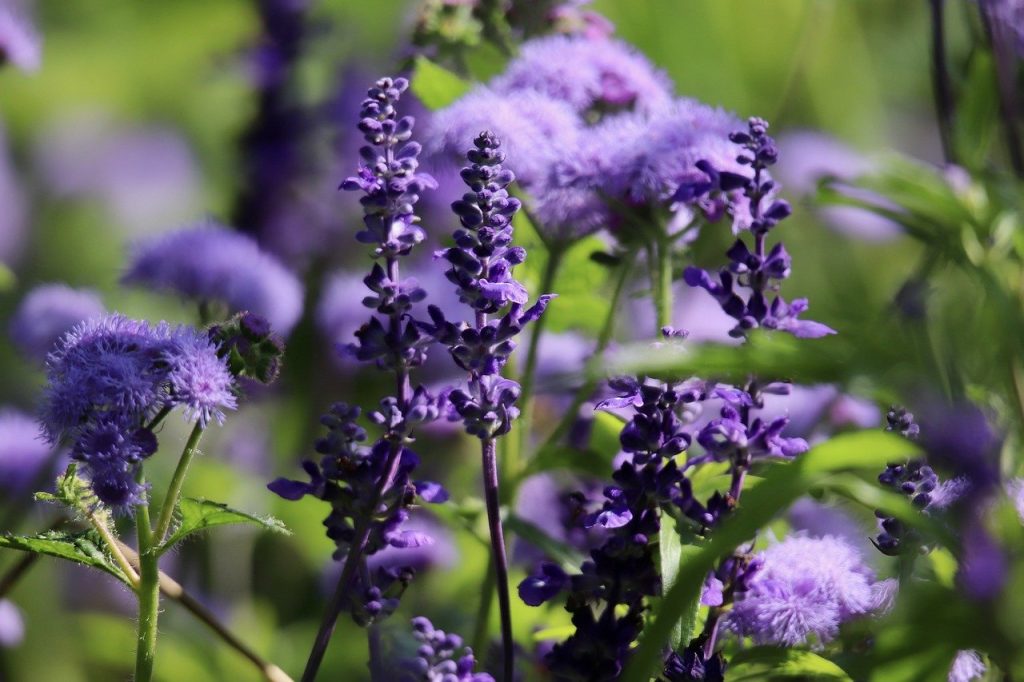
Sage is a perennial herb, which means it will come back every year as long as it is planted in a suitable location and cared for properly. With the right conditions, sage can thrive and return year after year.
Does sage like full sun or shade?
Sage plants generally prefer full sun for optimal growth and production. They thrive in locations with at least 6-8 hours of direct sunlight per day. However, they can tolerate some light shade, especially in hot climates where some afternoon shade may be beneficial to prevent stress on the plant.
Can I eat sage leaves raw?
While sage leaves are generally safe to eat raw, they have a very strong and distinct flavor that some people find too intense when consumed on their own. Most people prefer to use sage leaves in cooked dishes, such as adding them to soups, stews, sauces, or roasting them with vegetables. If you do decide to eat sage leaves raw, you may want to start with a small amount to see if you enjoy the flavor.
What does burning sage do in a house?
Burning sage, also known as smudging, is a practice from Native American traditions that involves burning dried sage leaves to cleanse and purify a space. It is believed to clear negative energy and promote positive energy in the environment. The smoke produced by burning sage is thought to neutralize any harmful or stagnant energy and bring a sense of clarity and renewal to the space. People use sage smudging for various purposes such as spiritual cleansing, removing negative vibes, and promoting mindfulness and relaxation.
What does sage do to the human body?
Sage is an herb that has been traditionally used for its medicinal properties. It is believed to have various health benefits, including improving digestion, reducing inflammation, boosting cognitive function, and supporting oral health. Sage is also thought to have antioxidant and antimicrobial properties. However, it is important to use sage in moderation as excessive consumption may have negative effects, especially for pregnant women or individuals with certain medical conditions. It is always best to consult with a healthcare provider before using sage for medicinal purposes.
Who should not eat sage?
While sage is generally safe for most people when consumed in normal food amounts, there are some individuals who should avoid or limit their intake of sage, including:
1. Pregnant women: Sage contains thujone, which can stimulate the uterus and potentially cause miscarriage. It is recommended that pregnant women avoid consuming large amounts of sage.
2. Breastfeeding women: Thujone in sage can be transferred to the baby through breast milk, potentially causing harm. It is advisable for breastfeeding women to limit their intake of sage.
3. People with epilepsy or seizure disorders: Thujone in sage can trigger seizures in some individuals, so those with epilepsy or a history of seizures should avoid sage.
4. Individuals on anticonvulsant medications: Sage may interact with anticonvulsant medications, potentially reducing their effectiveness. It is important to consult with a healthcare provider before consuming sage if you are taking these medications.
5. People with allergies: Some individuals may be allergic to sage or other plants in the mint family. If you have a known allergy to these plants, it is best to avoid sage.
As always, it is recommended to consult with a healthcare provider or a registered dietitian before making significant changes to your diet, especially if you have any underlying health conditions or concerns.
How to prepare sage for medicinal use?
To prepare sage for medicinal use, you can follow these steps:
1. Harvest fresh sage leaves from a healthy plant. It’s best to do this in the morning when the plant’s essential oils are at their peak.
2. Wash the leaves thoroughly to remove any dirt or debris. You can use a gentle stream of water or soak them in a bowl of water and then pat them dry.
3. Once the leaves are clean and dry, you can choose one of the following methods to use sage for medicinal purposes:
– Infusion: Boil water and pour it over fresh or dried sage leaves in a cup or pot. Let it steep for about 10-15 minutes, then strain the liquid and drink it as a tea.
– Tincture: Fill a clean glass jar with fresh sage leaves and cover them with alcohol (such as vodka or brandy). Seal the jar and let it sit in a cool, dark place for several weeks, shaking it occasionally. Strain the liquid to separate the tincture from the leaves.
– Poultice: Crush fresh sage leaves into a paste and apply it directly to the skin to help with inflammation or minor wounds.
4. Store any leftover sage preparations in airtight containers in a cool, dark place to preserve their potency.
Remember to consult with a healthcare professional before using sage for medicinal purposes, especially if you are pregnant, breastfeeding, or taking medications.
Can I eat sage from my yard?
Yes, you can eat sage from your yard! Sage is a common herb used in cooking and is safe for consumption. Just make sure you properly wash the leaves before using them in your dishes. Sage can add a delicious flavor to a variety of dishes, including meats, soups, and sauces. Enjoy cooking with your homegrown sage!
What happens if I drink sage tea every day?
Drinking sage tea every day can have several potential health benefits due to its antioxidant and anti-inflammatory properties. Some potential benefits of consuming sage tea regularly may include improved digestion, reduced inflammation, improved cognitive function, and enhanced immune system support. However, it is important to consume sage tea in moderation as excessive consumption may lead to side effects such as digestive upset or allergic reactions in some individuals. It is always recommended to consult with a healthcare provider or a registered dietitian before making significant changes to your diet or consuming herbal teas regularly.
What does sage do spiritually?
Sage has been traditionally used by various cultures for spiritual purposes such as energy cleansing, purification, and protection. It is believed to clear negative energy and promote positivity in the environment. Burning sage is often used in rituals, ceremonies, and spiritual practices to create a sense of calm and clarity. Many people use sage to help facilitate meditation, promote relaxation, and enhance spiritual awareness.
What to do with fresh sage leaves?
Fresh sage leaves can be used in a variety of ways in cooking. Here are some ideas on what to do with fresh sage leaves:
- 1. Add them to roasted vegetables for extra flavor.
- 2. Use them to make a classic sage butter sauce to drizzle over pasta or chicken.
- 3. Make homemade sage pesto by blending sage leaves with nuts, olive oil, and Parmesan cheese.
- 4. Fry sage leaves in olive oil or butter until crispy and use them as a garnish for soups or salads.
- 5. Infuse olive oil with sage leaves to create a flavorful oil for cooking or drizzling over dishes.
- 6. Use fresh sage leaves in stuffing for poultry or as a seasoning for roasted meats.
- 7. Make a cup of soothing sage tea by steeping fresh sage leaves in hot water.
These are just a few ideas to get you started. Fresh sage leaves can add a delicious and aromatic touch to a wide range of dishes.
Key Things to know
Here are a few important things to know:
- 1. Taking care of your physical and mental health is essential for overall well-being.
- 2. It’s important to maintain a healthy work-life balance to prevent burnout and maintain productivity.
- 3. Building and nurturing relationships with family, friends, and colleagues is key to a happy and fulfilling life.
- 4. Continuous learning and self-improvement can help you grow personally and professionally.
- 5. Being mindful of your environmental impact and practicing sustainability can help protect our planet for future generations.
What are the benefits of sage tea?
Sage tea has several potential benefits, including:
- 1. Digestive health: Sage tea may help with indigestion, bloating, and other digestive issues due to its ability to stimulate the production of digestive enzymes.
- 2. Anti-inflammatory properties: Sage contains compounds that have anti-inflammatory effects, which may help reduce inflammation in the body.
- 3. Antioxidant properties: Sage is rich in antioxidants, which can help protect cells from damage caused by free radicals and may reduce the risk of chronic diseases.
- 4. Cognitive function: Some studies suggest that sage may have positive effects on memory and cognitive function, making it potentially beneficial for brain health.
- 5. Menopausal symptoms: Sage tea is sometimes used to help alleviate symptoms of menopause, such as hot flashes and night sweats.
- 6. Sore throat relief: Sage tea may help soothe a sore throat and provide relief from coughing due to its antibacterial and anti-inflammatory properties.
It’s important to note that while sage tea has potential health benefits, it should be consumed in moderation, as excessive consumption may have adverse effects. Additionally, individuals with certain medical conditions or who are pregnant or breastfeeding should consult with a healthcare provider before consuming sage tea.
What is the salvia plant good for?
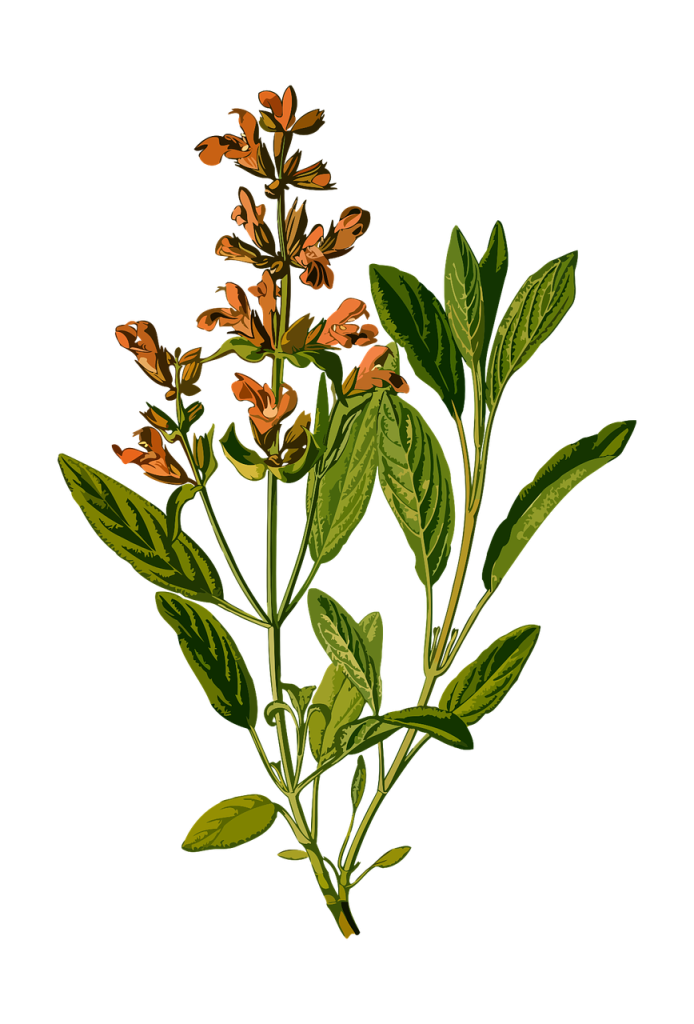
Salvia, also known as sage, is a versatile herb that has several culinary, medicinal, and aromatic uses. Some common uses of the salvia plant include:
1. Culinary uses: Salvia leaves are used to add flavor to various dishes, particularly in Mediterranean cuisine. It is commonly used in stuffing, sauces, soups, and as a garnish for meat dishes.
2. Medicinal uses: Salvia has been used in traditional medicine for its potential health benefits. It is believed to have anti-inflammatory, antioxidant, and antimicrobial properties. Salvia is also used in herbal remedies for various ailments such as sore throat, indigestion, and menopausal symptoms.
3. Aromatic uses: The fragrant leaves of the salvia plant are often used in potpourri, aromatherapy, and as a natural air freshener. The pleasant scent of sage is known for its calming and relaxing properties.
It is important to note that while salvia has many benefits, it should be used in moderation and should not be consumed in large quantities as it may have potential side effects for certain individuals. As always, it is recommended to consult with a healthcare provider before using any herbal remedy for medicinal purposes.
Salvia officinalis side effects
Salvia officinalis, commonly known as sage, is generally considered safe when used in normal culinary amounts. However, there are some potential side effects to be aware of:
- 1. Allergic reactions: Some individuals may be allergic to sage, resulting in symptoms such as skin rashes, itching, or swelling.
- 2. Skin irritation: Direct contact with sage leaves or oil may cause skin irritation or a rash in some people.
- 3. Digestive issues: Consuming large amounts of sage or sage oil may lead to digestive issues such as stomach upset, nausea, or diarrhea.
- 4. Seizures: There have been reports of sage causing seizures, particularly when used in excessive amounts or in combination with other substances.
- 5. Drug interactions: Sage may interact with certain medications, including blood thinners, diabetes medications, and sedatives. It’s important to consult with a healthcare provider before using sage if you are taking any medications.
If you experience any adverse reactions after using sage, it’s best to discontinue use and consult with a healthcare provider. Additionally, pregnant women and individuals with certain medical conditions should exercise caution when using sage and consult with a healthcare professional before doing so.
Which Salvia is psychoactive?
Salvia divinorum is a psychoactive plant known for its hallucinogenic properties. It is a species of the Salvia genus and is commonly referred to as salvia in the context of its psychoactive effects. Other species of Salvia, such as Salvia officinalis (common sage) and Salvia apiana (white sage), are not known for their psychoactive effects.
What does sage taste like?
Sage has a strong, earthy flavor with hints of mint and eucalyptus. It is slightly bitter and has a warm, aromatic quality. Many people describe sage as having a savory and slightly astringent taste. It is commonly used in cooking to add depth and complexity to dishes.
Sage plant care
Sure! Sage plants are relatively easy to care for. Here are some tips:
- 1. Sunlight: Sage plants thrive in full sunlight. Make sure they receive at least 6-8 hours of direct sunlight per day.
- 2. Soil: Sage plants prefer well-draining soil. You can mix in some sand or perlite to improve drainage if needed.
- 3. Watering: Sage plants are drought-tolerant once established. Water them deeply but infrequently, allowing the soil to dry out between waterings.
- 4. Pruning: Regularly prune your sage plant to encourage bushy growth and prevent it from becoming leggy. You can also harvest the leaves for culinary use while pruning.
- 5. Fertilizing: Sage plants do not require heavy fertilization. You can feed them with a balanced fertilizer once or twice during the growing season.
- 6. Pests and Diseases: Sage plants are relatively resistant to pests and diseases. However, keep an eye out for common garden pests like aphids or spider mites, and treat them promptly if detected.
- 7. Winter Care: In colder climates, sage plants may not survive harsh winters. Consider bringing potted sage plants indoors or providing protection with mulch or row covers.
By following these care tips, you can enjoy a healthy and thriving sage plant in your garden.
Types of salvia officinalis
Salvia officinalis, commonly known as sage, is a versatile herb with different varieties that can be used for culinary, medicinal, and ornamental purposes. Some common types of Salvia officinalis include:
1. Common sage (Salvia officinalis): This is the most widely used variety of sage with gray-green leaves and a strong, earthy flavor. It is commonly used in cooking and herbal medicine.
2. Purple sage (Salvia officinalis ‘Purpurascens’): This variety of sage has purple-tinged leaves and a milder flavor compared to common sage. It is often used for its ornamental value in gardens.
3. Tricolor sage (Salvia officinalis ‘Tricolor’): This variety of sage has variegated leaves with shades of green, purple, and white. It is popular for its decorative appearance in herb gardens.
4. Berggarten sage (Salvia officinalis ‘Berggarten’): This variety of sage has large, round leaves and a strong flavor. It is often used in cooking and is known for its high oil content.
5. Golden sage (Salvia officinalis ‘Aurea’): This variety of sage has golden-yellow leaves and a mild flavor. It is often used for its ornamental value in landscaping.
These are just a few examples of the different types of Salvia officinalis that are available. Each variety has its own unique characteristics and can be used in various ways depending on your preferences and needs.
What is a substitute for sage?
A good substitute for sage is thyme. Thyme has a similar earthy and slightly minty flavor profile that can work well in place of sage in many recipes. Other alternatives include rosemary or marjoram, depending on the dish you are preparing.