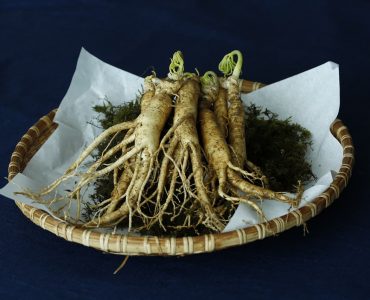
Sarsaparilla has a unique flavor that is earthy, sweet, and slightly bitter, with hints of vanilla and licorice. This distinctive taste comes from the natural compounds found in the Smilax plant roots.
What Is Sarsaparilla Root Used For?
Sarsaparilla root has been traditionally used in herbal medicine for:
- Detoxification: Believed to purify the blood and support liver function.
- Skin Health: Used to alleviate skin conditions like eczema and psoriasis.
- Joint Pain Relief: Historically applied for its anti-inflammatory properties to treat arthritis.
Is Sarsaparilla Alcoholic?
Traditional sarsaparilla beverages are non-alcoholic. However, modern versions may be used as flavoring in some alcoholic cocktails.
Is Sarsaparilla Legal?
Yes, sarsaparilla is legal in most countries. However, some regulations exist regarding its use in food and beverages due to safety concerns with certain processing methods.
What Are the Side Effects of Sarsaparilla Root?
While generally safe in moderate amounts, side effects may include:
- Stomach upset or irritation.
- Potential allergic reactions in sensitive individuals.
- Hormonal effects due to phytoestrogens, requiring caution for people with hormone-sensitive conditions.
Medicinal Uses of Sarsaparilla (Smilax spp.)
Sarsaparilla has been used in traditional and herbal medicine for centuries due to its versatile therapeutic properties. It is primarily derived from the roots of the Smilax plant, which contains beneficial compounds such as saponins, flavonoids, and plant sterols. These components make it a valuable natural remedy for various health issues.
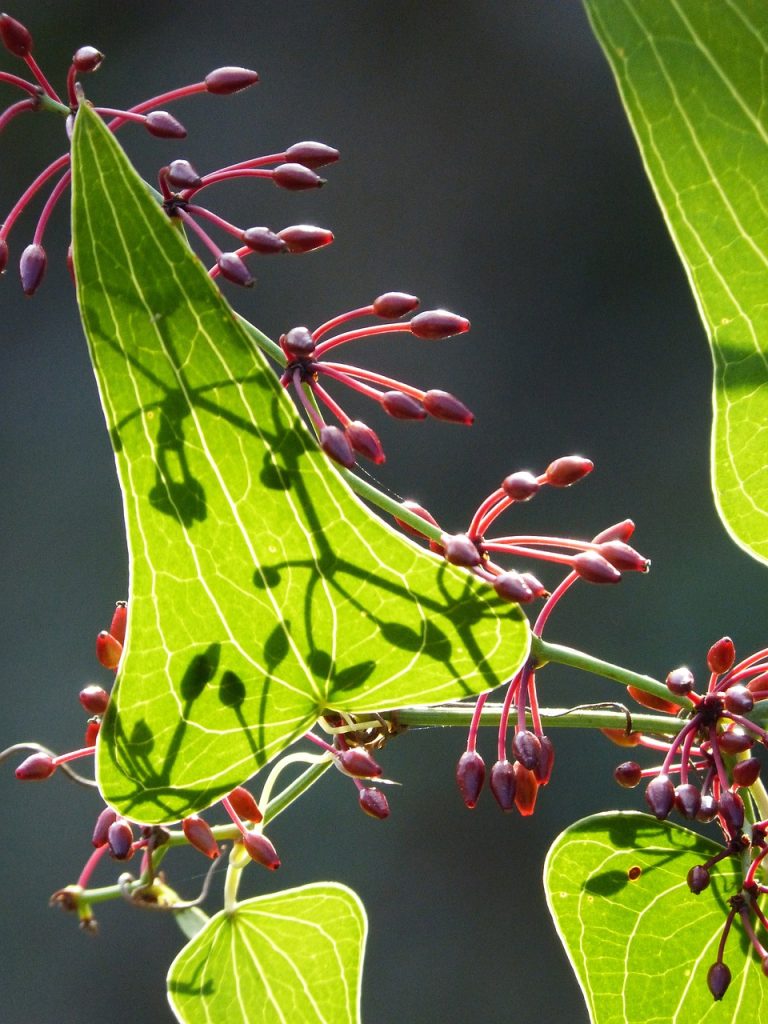
Key Medicinal Uses of Sarsaparilla
- Detoxification
Sarsaparilla is believed to purify the blood by supporting liver and kidney function. Its diuretic properties help remove toxins and excess fluids from the body. - Skin Health
Its anti-inflammatory and antibacterial properties make it useful for managing skin conditions like eczema, psoriasis, and acne. - Joint and Muscle Pain Relief
Sarsaparilla is traditionally used to reduce inflammation and alleviate pain in conditions such as arthritis and gout. - Hormonal Balance
The root contains plant sterols that may help regulate hormones, supporting conditions like menstrual irregularities and menopausal symptoms. - Immune Support
With antioxidant and antimicrobial properties, sarsaparilla helps bolster the immune system and protect against infections. - Digestive Health
It is used to improve digestion, reduce bloating, and address conditions like indigestion or constipation.
How to Use Sarsaparilla as a Homeopathic Remedy
Sarsaparilla can be prepared and used at home as a tea, tincture, or topical application. Below are step-by-step instructions for different methods of use:
1. Sarsaparilla Tea
Ingredients:
- 1–2 teaspoons of dried sarsaparilla root.
- 2 cups of water.
Instructions:
- Bring 2 cups of water to a boil.
- Add 1–2 teaspoons of dried sarsaparilla root to the water.
- Reduce the heat and let it simmer for 10–15 minutes.
- Strain the tea and let it cool slightly before drinking.
- Drink 1–2 cups per day to support detoxification, skin health, or digestion.
Uses: Effective for internal detoxification and inflammation management.
2. Sarsaparilla Topical Application
Ingredients:
- 1 tablespoon of sarsaparilla root powder.
- Water or aloe vera gel to form a paste.
Instructions:
- Mix the sarsaparilla powder with enough water or aloe vera gel to create a smooth paste.
- Apply the paste to affected skin areas (e.g., for eczema or acne).
- Leave it on for 15–20 minutes, then rinse with lukewarm water.
Uses: Helps alleviate inflammation and irritation in skin conditions.
3. Sarsaparilla Tincture
Ingredients:
- 1 cup of dried sarsaparilla root.
- 2 cups of 40–50% alcohol (vodka or brandy).
Instructions:
- Place the dried root in a glass jar.
- Pour alcohol over the root until fully submerged.
- Seal the jar and store it in a cool, dark place for 4–6 weeks, shaking occasionally.
- Strain the mixture through cheesecloth or a fine mesh into a clean bottle.
- Use 10–15 drops of tincture diluted in water up to 3 times daily for inflammation, hormonal balance, or immune support.
Precautions When Using Sarsaparilla
- Always use high-quality sarsaparilla products to avoid contamination.
- Consult with a healthcare provider before use, especially if you are pregnant, breastfeeding, or taking medications.
- Excessive use may cause stomach upset or mild allergic reactions.
Sarsaparilla is a versatile natural remedy that offers numerous health benefits. When used correctly, it can support your body’s detoxification processes, improve skin conditions, and provide relief from various inflammatory ailments.
Ingredients for Sarsaparilla
A traditional sarsaparilla beverage typically includes:
- Sarsaparilla root extract.
- Sweeteners such as sugar or honey.
- Carbonated water for fizz.
- Additional flavorings like vanilla or licorice.
Is Sarsaparilla Just Root Beer?
No, sarsaparilla is not the same as root beer. Sarsaparilla is made specifically from the Smilax plant root, while root beer is a blend of various roots, spices, and sometimes sarsaparilla.
Why Did People Stop Drinking Sarsaparilla?
Sarsaparilla lost popularity in part due to the rise of root beer, which offered a more diverse flavor profile and broader appeal. Additionally, changes in beverage trends and availability of ingredients contributed to its decline.
What Is Sarsaparilla in the Old West?
In the Old West, sarsaparilla was a popular non-alcoholic beverage often enjoyed as a soda or tonic. It was believed to have medicinal properties and was a common saloon drink for those avoiding alcohol.
What Does Sarsaparilla Do for Your Body?
Sarsaparilla may provide health benefits, including:
- Supporting detoxification and liver health.
- Offering anti-inflammatory and antioxidant effects.
- Potentially improving skin conditions and boosting immunity.
Why Isn’t Sarsaparilla Sold Anymore?
Sarsaparilla is still available but is less common due to decreased demand and competition from other beverages like root beer and cola. Modern production also focuses on synthetic flavoring, reducing the need for authentic sarsaparilla roots.
Is Dr Pepper a Sarsaparilla?
No, Dr Pepper is not a sarsaparilla. It is a unique soda with a complex blend of 23 flavors, none of which specifically include sarsaparilla root. However, it may share some flavor similarities.