Motherwort (Leonurus cardiaca) is a perennial herb from the mint family traditionally used for heart and nervous system health. Its name comes from its historical use as a remedy for postpartum women, though its benefits extend far beyond maternal care. Native to central Europe and parts of Asia, motherwort has long been valued in traditional medicine for its calming and heart-protective properties.
Leonurus cardiaca, commonly known as motherwort, is a perennial herb belonging to the mint family (Lamiaceae). This plant is native to southeastern Europe and central Asia but has spread globally, particularly in North America, where it is often found in disturbed areas such as roadsides and waste grounds.
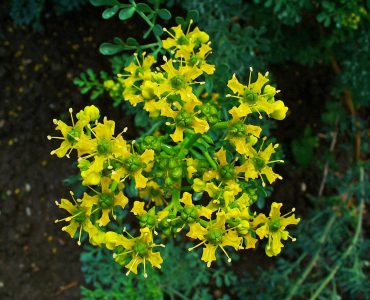
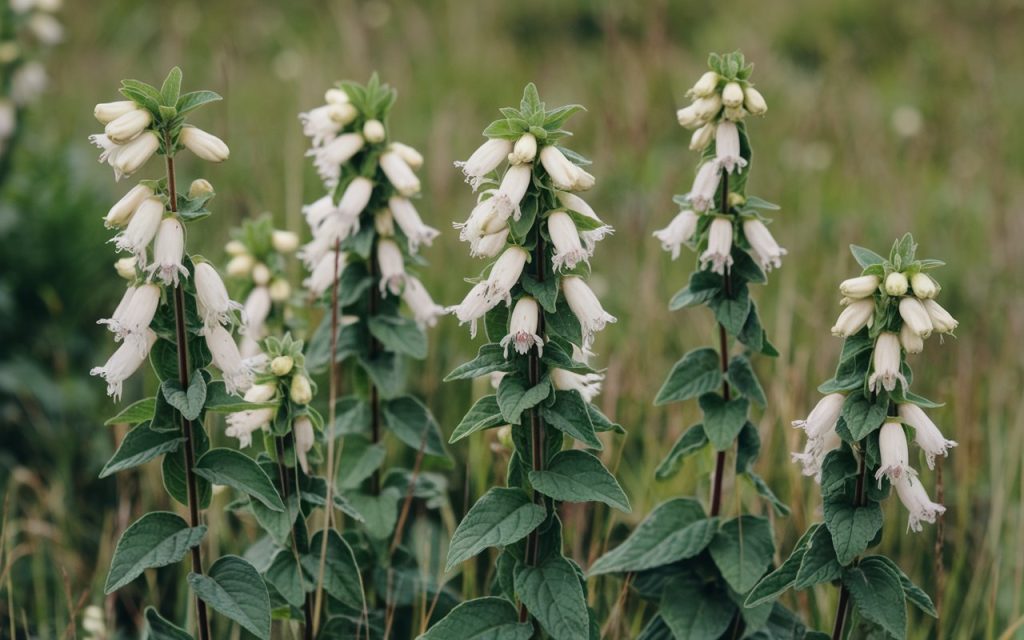
Motherwort typically grows to a height of 2 to 4 feet and features square stems with opposite, palmately lobed leaves that resemble those of a maple. The leaves have serrated margins and are covered with short hairs. The plant produces small pink to lilac flowers that bloom from June to August, arranged in rosettes in the leaf axils.
Motherwort Benefits and Medicinal Uses
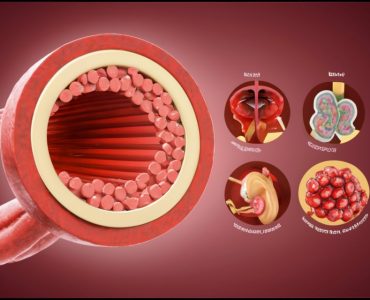
Motherwort is renowned for its cardiotonic and anxiolytic effects. Studies suggest that it may help with heart palpitations, mild hypertension, and irregular heartbeat due to its ability to relax smooth muscles and improve circulation. Motherwort also has mild sedative properties, making it useful for treating anxiety and stress-related conditions.
A study published in Phytomedicine showed that motherwort contains compounds such as leonurine, which may contribute to its calming effect on the heart, reducing blood pressure and palpitations. It is also rich in antioxidants that help protect the cardiovascular system from oxidative stress.
How Motherwort Benefits the Heart
Motherwort has been used for centuries to support heart health, particularly in cases of mild heart conditions and nervous heart issues. Its primary active compound, leonurine, helps to relax blood vessels, lower blood pressure, and regulate heart rate. This makes it particularly beneficial for those suffering from arrhythmias, tachycardia, or hypertension induced by stress or anxiety.
A 2014 study published in Evidence-Based Complementary and Alternative Medicine found that motherwort had a mild hypotensive effect and showed potential as a cardioprotective herb, especially when anxiety and stress contribute to cardiovascular issues.
Treating Anxiety with Motherwort
In addition to its heart health benefits, motherwort is commonly used for its calming, anxiolytic properties. It acts as a mild sedative, helping to alleviate anxiety, restlessness, and irritability. Traditional herbalists often recommend it for individuals experiencing anxiety-related heart symptoms such as palpitations.
For instance, a study in Journal of Ethnopharmacology noted that motherwort extract significantly reduced symptoms of anxiety in animal models. Its calming properties are attributed to its ability to regulate the nervous system and reduce the production of stress hormones.
Side Effects of Using Motherwort
While motherwort is generally considered safe for most people when used in moderation, it can cause side effects in some cases. The most common side effects include gastrointestinal upset, diarrhea, and allergic reactions in sensitive individuals. In rare cases, it can also interact with medications, particularly anticoagulants, due to its blood-thinning properties.
Pregnant women should avoid using motherwort as it can stimulate uterine contractions, which may increase the risk of miscarriage. Nursing mothers should also consult with a healthcare provider before using the herb.
Traditional Preparation of Motherwort for Medicinal Use
Motherwort is typically used as a tincture, tea, or in capsules.
To make a tea, steep 1-2 teaspoons of dried motherwort in hot water for 10-15 minutes.
For tinctures, the recommended dosage is generally 2-4 ml up to three times per day, but it is essential to consult with a healthcare provider for personalized advice, especially if you are taking medications or have underlying health conditions.
In conclusion, motherwort (Leonurus cardiaca) is a versatile herb known for its heart-protective and calming properties. While it offers many benefits for heart health and anxiety relief, it’s important to use it with caution, particularly if you are pregnant or on medication.
How to take Motherwort
| Target Group | When to Use Motherwort | Form of Use | Dosage |
|---|---|---|---|
| Individuals with mild heart conditions | Heart palpitations, irregular heartbeat, high blood pressure | Capsules, tincture, tea | Tincture: 2-4 ml (40-60 drops) up to 3 times a day. Tea: 1-2 teaspoons of dried herb per cup, steep for 10-15 minutes, up to 3 cups daily. |
| Those experiencing anxiety or stress | Stress-related symptoms, anxiety, irritability | Capsules, tincture, tea | Tincture: 2-4 ml up to 3 times a day. Tea: 1-2 teaspoons of dried herb per cup, steep for 10-15 minutes, 2-3 times daily. |
| Postpartum women (under professional guidance) | After childbirth to promote uterine recovery (traditionally) | Tea, tincture | Tea: 1 teaspoon of dried herb per cup, up to 2 cups daily. Tincture: 2-3 ml, once or twice a day. Consult healthcare provider before use. |
| Individuals with mild hypertension | Elevated blood pressure related to stress | Tincture, tea | Tincture: 2-4 ml, up to 3 times daily. Tea: 1-2 teaspoons dried herb, 2-3 times a day. |
| Women experiencing menstrual discomfort | Painful or irregular periods, menstrual cramps | Tincture, tea | Tincture: 2-4 ml, 2-3 times daily. Tea: 1-2 teaspoons dried herb per cup, 2-3 times a day. |
| Individuals with mild insomnia | Difficulty falling asleep, nervous restlessness | Tincture, tea | Tincture: 2-3 ml, 30 minutes before bed. Tea: 1 teaspoon dried herb, 1 cup before bedtime. |
Notes:
- Consultation: It is essential to consult a healthcare provider before starting any treatment with motherwort, especially for pregnant or breastfeeding women and individuals on medication (e.g., anticoagulants).
- Capsules: Dosage usually ranges from 300 mg to 600 mg per capsule, taken 2-3 times a day.
Historical and Medicinal Uses
Historically, motherwort has been utilized for its medicinal properties, particularly for treating heart conditions and various female reproductive disorders. It was traditionally used as a cardiotonic and for ailments such as amenorrhea, dysmenorrhea, menopausal anxiety, and postpartum depression. The name “motherwort” reflects its historical use in women’s health.
The phytochemical profile of motherwort includes flavonoids, alkaloids (notably leonurine), diterpenoids, and phenolic compounds. These constituents are associated with various pharmacological effects, including antioxidant, anti-inflammatory, and antibacterial activities. Clinical studies have indicated that motherwort may have sedative and hypotensive effects.
Modern Applications
In contemporary herbal medicine, motherwort is marketed for several uses:
- Cardiovascular health: It may help manage heart palpitations and anxiety related to heart conditions.
- Menstrual health: Used for menstrual irregularities and symptoms associated with menopause.
- Digestive issues: Traditionally employed for digestive disorders.
Despite its traditional applications, scientific evidence supporting many of these uses remains limited. Caution is advised when using motherwort, particularly during pregnancy due to its potential to stimulate uterine contractions